Mere weeks after
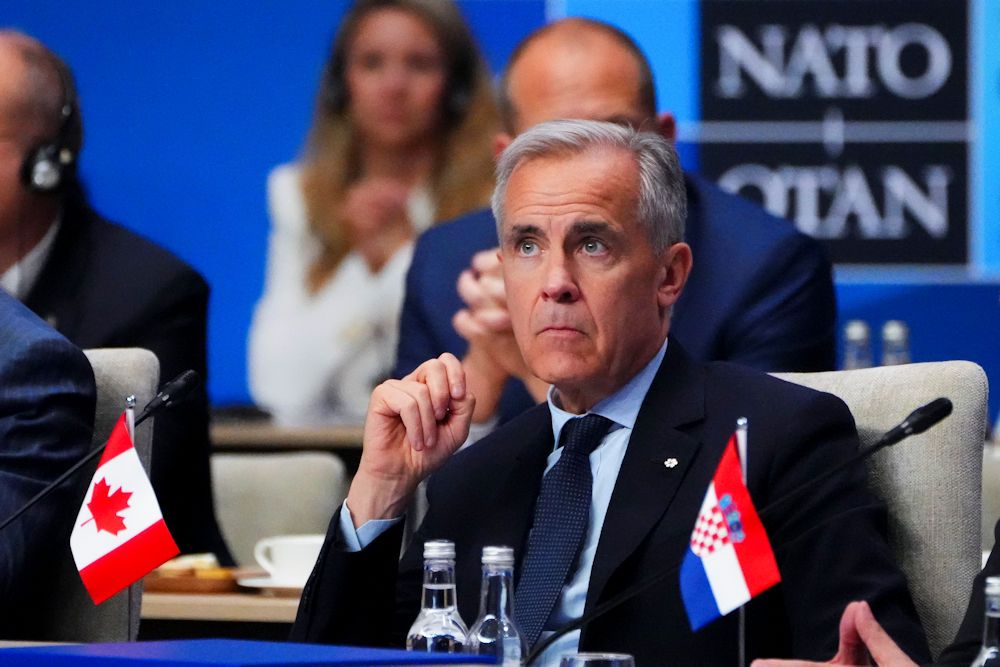
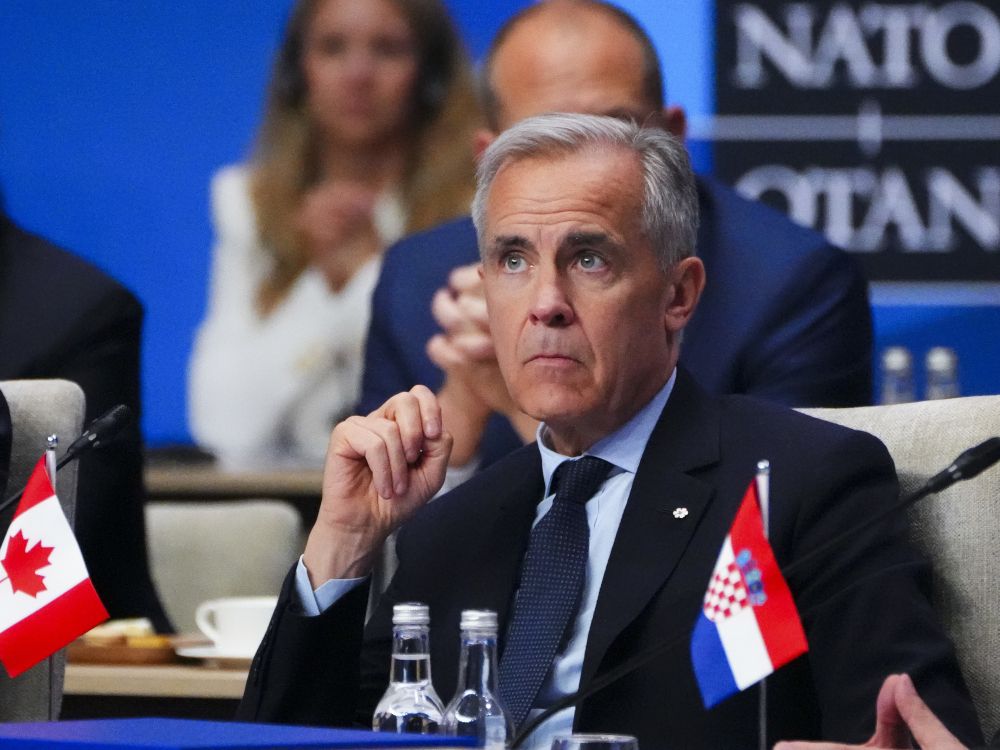
that Canada would finally meet its decade-old commitment to spend the equivalent of two per cent of GDP on defence, Prime Minister Mark Carney and his NATO colleagues pulled another arbitrary number out of a hat and agreed to increase spending to
by 2035.
Yet lazily focusing on the top-line spending number will only serve to distract us from the real goal: crafting a coherent strategy to ensure we have an Armed Forces capable of defending Canadian soil and assisting our allies abroad.
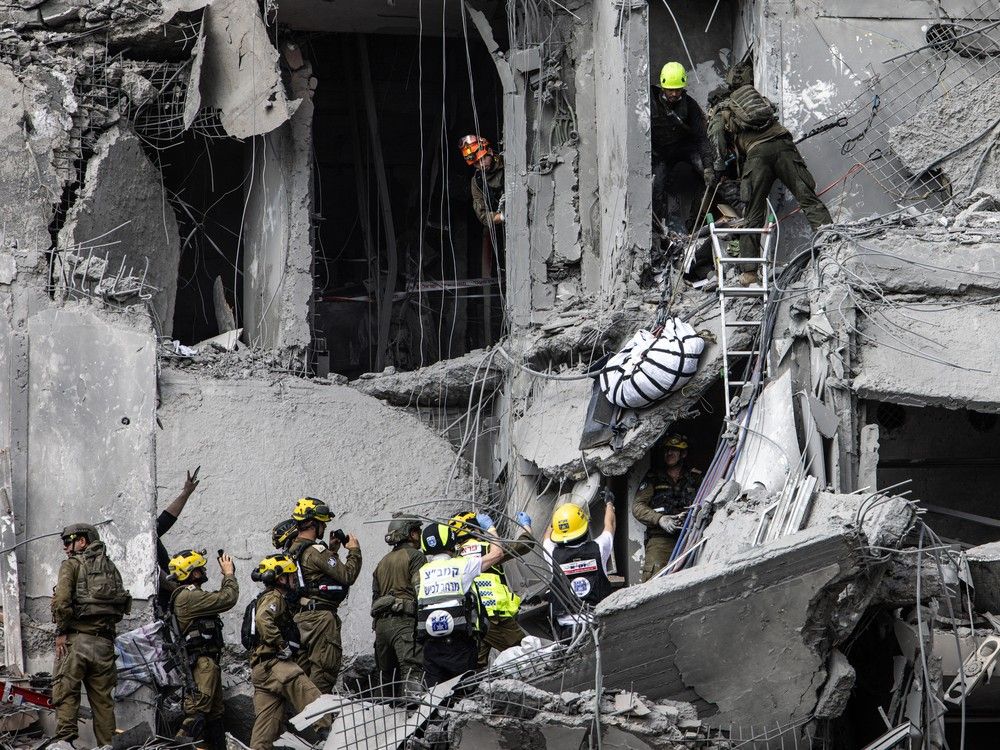
There should no longer be any doubt that a drastic overhaul of the Canadian Armed Forces is long overdue. Our military has a shortage of manpower and most of our equipment is long past its best-before date. It’s no longer capable of participating in international missions, let alone defending the homeland against foreign threats.
Meanwhile, the world is becoming an increasingly dangerous place. Russia and China have spent years beefing up their military presence in the Arctic. The spectre of war has once again returned to Europe with Russia’s ongoing invasion of Ukraine and threats against its neighbours.
Having fully conquered Hong Kong, China has been flexing its muscles in the South China Sea and setting its sights on Taiwan. Israel has been under attack from all directions since 2023. And the American protection we have come to rely on is no longer a sure thing.
It was therefore good to hear that the Carney government plans to increase defence spending by $9.3 billion this year, which will bring total expenditures to $62.7 billion, or just over two per cent of GDP. Unfortunately, in typical Liberal fashion, the prime minister has no plan for how to pay for it.
The government’s recently tabled
show that Ottawa plans on spending at least $486 billion this coming fiscal year, and that doesn’t appear to
the $24 billion worth of Liberal campaign promises or the $73.1 billion in new spending outlined in the fall economic statement.
The Main Estimates also notes that it will cost taxpayers $49.1 billion just to service the debt this year, while lamenting that, “Public debt charges have increased significantly over the last three years due to a substantial increase in the stock of public debt over the course of the pandemic combined with subsequent higher effective interest rates.”
In other words, the same Liberals who doubled the national debt during the pandemic and then told us that, due to low interest rates, it would be “
” not to continue the spending spree are now acknowledging that servicing the debt they racked is costing us a pretty penny, equal to about one-third of all the government’s operating and capital expenses.
During the election, Carney presented himself as a serious man coming in to clean up the mess left behind by the child we put in charge of the country for the past decade. Yet he has fallen into the typical Canadian trap of handing out goodies to the electorate without any means to pay for them and committing to international targets we have little hope of realizing.
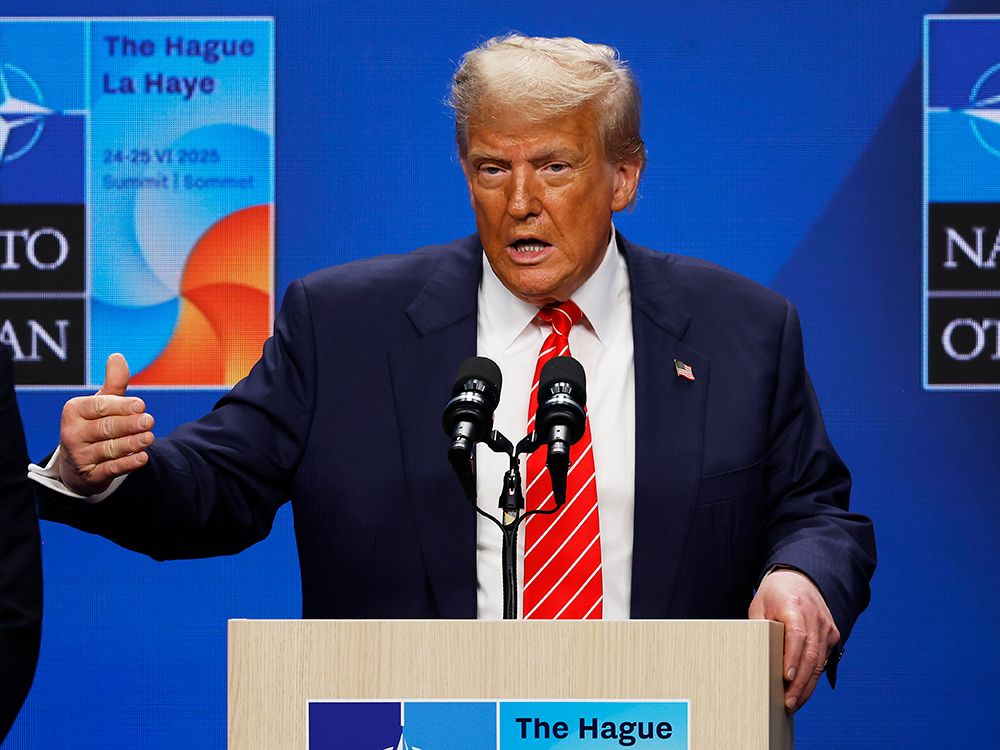
There is, of course, the possibility that NATO members agreed to the five per cent target as a means of appeasing U.S. President Donald Trump, knowing full well that he will likely (this is Trump, after all) no longer be in office when they all break their promises 10 years from now.
But if, for the sake of argument, we were to reach that target, our defence budget would have to increase to a whopping $151.7 billion by 2035. Before we embark on such a costly excursion, it would be prudent to ask whether that level of spending is necessary to achieve our goals, or if we’ll simply be flushing money down the proverbial toilet.
In this, the United States should serve as a case study on why not to spend money for spending’s sake. Indeed, despite being the world’s foremost military power — paying more for defence than the next
nine highest-spending countries
combined — the U.S. defence budget currently represents just 3.38 per cent of its gross domestic product.
Even at current levels, the Department of Defence admitted in
that it had “19 per cent excess capacity.” And large swaths of that money gets wasted, including by purchasing equipment that is completely unnecessary.
As a
published in Reason magazine earlier this year details, the U.S. military has a history of losing track of military equipment or allowing it to fall into disrepair. It also has a long track record of treating defence procurement as a make-work project.
In the early 2000s, for example, the U.S. Navy began designing new littoral combat ships, but they were such a failure, they ended up being nicknamed the “Little Crappy Ship.” In 2017, the navy was already planning to replace them by 2020 but nevertheless made a budget request for one additional vessel, for
of keeping the shipyards that produce them in business.
But even that wasn’t enough for the Trump administration: even though the navy admitted it didn’t actually want the ships, the White House altered its budget to include two vessels, at a cost of US$500 million a pop.
And the profligate spending continues: a
issued by the U.S. Senate committee on appropriations last year bragged that lawmakers were allocating US$3 billion more for aviation procurement and an additional US$732 million for shipbuilding than the military had requested.
It’s very likely that the U.S. could cut its defence budget in half and still fend off any challenges from adversaries like China or Russia, which spend a fraction of the money Americans are forced to pay.
Such is the peril of focusing solely on total spending, in absolute dollars or as a percentage of GDP, rather than taking the time to figure out exactly what the military needs to meet its objectives, and coming up with a concrete strategy to procure the necessary supplies.
When Carney announced the increase in defence spending earlier this month, he said that, “Our goal is to protect Canadians, not to satisfy NATO accountants.” Let’s hope he remembers that in the future.
National Post
jkline@postmedia.com