LP_468x60
on-the-record-468x60-white

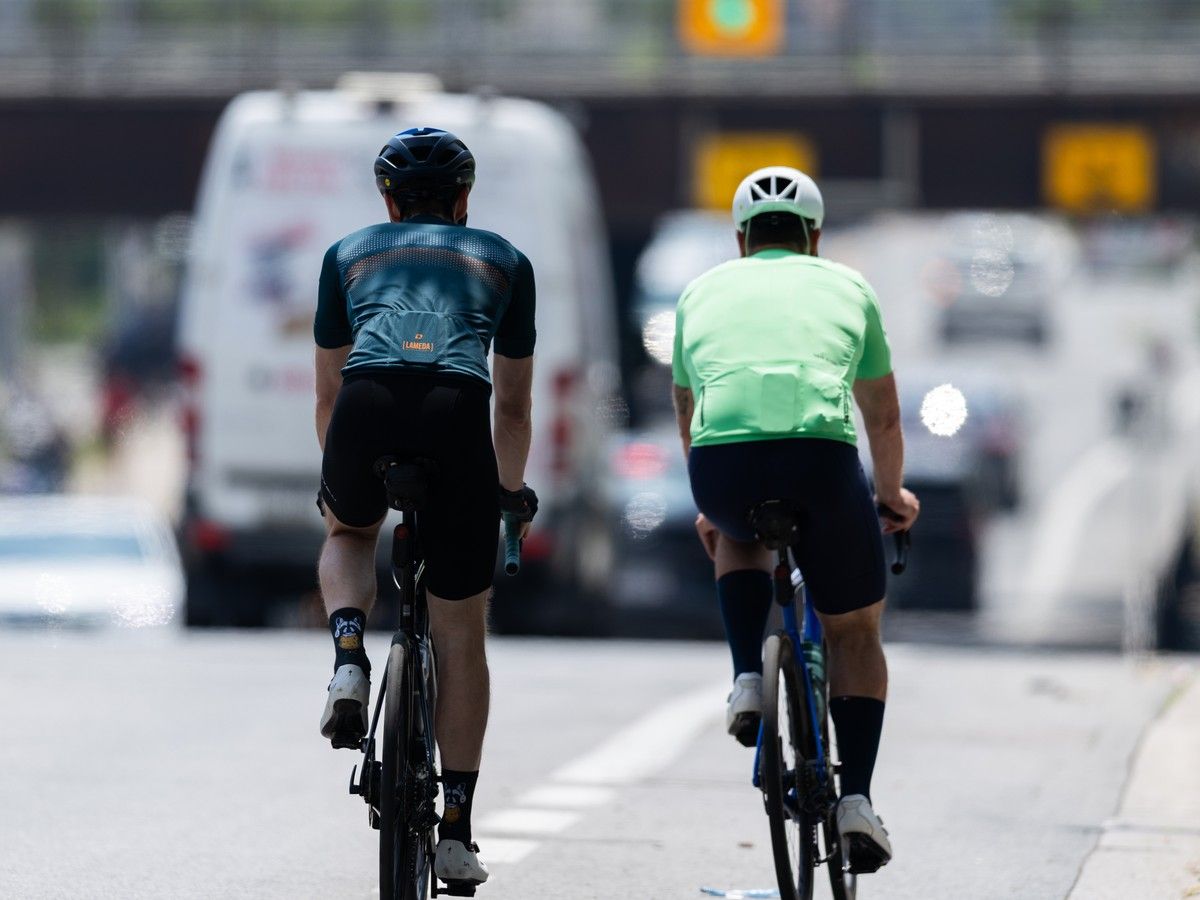
Cyclists ride down the bike lanes on Royal York Road in Mimico, Toronto, Ontario on Friday, June 26, 2026.

The next time Doug Ford goes on one of his off-script rants about activist judges, he might want to include a qualifier.

Not all judges, that is.

The Ontario Court of Appeal delivered a big win for the Ontario Premier on Friday, overturning a lower court decision that had blocked the province’s plan to rip up bike lanes on three downtown Toronto streets.

The initial court decision found that removing bike lanes amounted to a violation of the right to personal safety found in the Charter of Rights and Freedoms, but the Appeal Court, in a 3-0 decision, comprehensively dismissed that idea.

Among the many flaws it found in the initial court ruling, the Court of Appeal said that the province’s bike-lane removal was “the sort of decision legislatures make routinely without attracting any concerns about the constitutionality of their actions.”

It also said that there is “no Charter right to bicycle lanes” and it gave this rather blunt declaration: “The bottom line is this: there is no constitutional obligation to regulate the use of roads in any particular manner — no constitutional obligation to build bicycle lanes or to retain any that have been built.”

The Ford government was pleased on Friday with its victory.

“Today’s court ruling is a victory for common sense and for respecting the appropriate division of roles between duly elected legislatures and the courts,” said a statement from Prabmeet Sarkaria, the provincial Minister of Transportation. “As the three justices unanimously ruled today, ‘it is illegitimate for courts to involve themselves in matters of legislative policy.’”

The Appeal Court actually went a little further than that, writing in its decision that the lower court ruling “(subverted) a fundamental principle of our democratic constitutional order: a legislature cannot bind its successors. Legislatures in the Westminster tradition are free to undo legislation by amending or repealing it as they see fit.”

But while, legally speaking, this was a blowout win for Ford and his governing Progressive Conservatives, there are perfectly reasonable questions to be raised over whether removing a handful of bike lanes will help achieve the Premier’s goal of improving gridlock, or even if the province should weigh in on a matter that is usually left to municipalities.

A moment for a caveat here: I support bike lanes. They help provide a safe, alternative means of transportation in areas that are increasingly jammed by vehicular traffic.

Cycle in places that have truly embraced them, as opposed to municipalities that paint a line on the side of the road and pat themselves on the back for their commitment to environmentalism, and you see how they can be transformative. Bike lanes, broadly speaking, are a net good.

But the place to stop Doug Ford from tearing up bike lanes was not in the courts, but at the ballot box. As the Appeal Court noted, provincial legislatures routinely pass laws that govern the use of the roads.

“The legislature is free to legislate to remove a bicycle lane from a road — indeed, it may remove a road entirely — without implicating the Charter,” the court found.

But now that Ford has his win over the judge that had blocked his bike-lane removals, and which had brought a public rebuke from the Premier, next comes the harder part of actually improving traffic flow in Toronto. Will the pending removal of bike lanes from Bloor Street, University Avenue and Yonge Street make any noticeable difference to the speed of traffic on those roads, or will more motor vehicles simply move into the space previously occupied by those lanes? (I am betting the latter.)

Ford has long been a pro-car politician, doing everything in his power to encourage people to drive — expanding highways, removing road tolls, dropping gas taxes and licence-plate fees — while never squaring that with the fact that all of those policies are naturally going to increase the number of cars and trucks on the road. Being pro-car is, from a policy sense, essentially the same as being pro-traffic.

But, again, that’s one for the voters, not the courts. Would it make more sense for the city of Toronto to determine whether, or where, it wants bike lanes on its streets? Sure. It seems like even more of a provincial overstep when its legislation prevents towns from installing bike lanes in places where vehicle traffic patterns aren’t even a concern. If a municipality wants to put a bike lane on Main Street to make it easier for residents to cycle to the market on weekends, why should Ford care?

But he does, and his party formed a majority government. Again. There are venues for the pro-bike forces to take that fight. But a court that invents a constitutional right to a bike lane isn’t the solution, either.

National Post

sstinson@postmedia.com
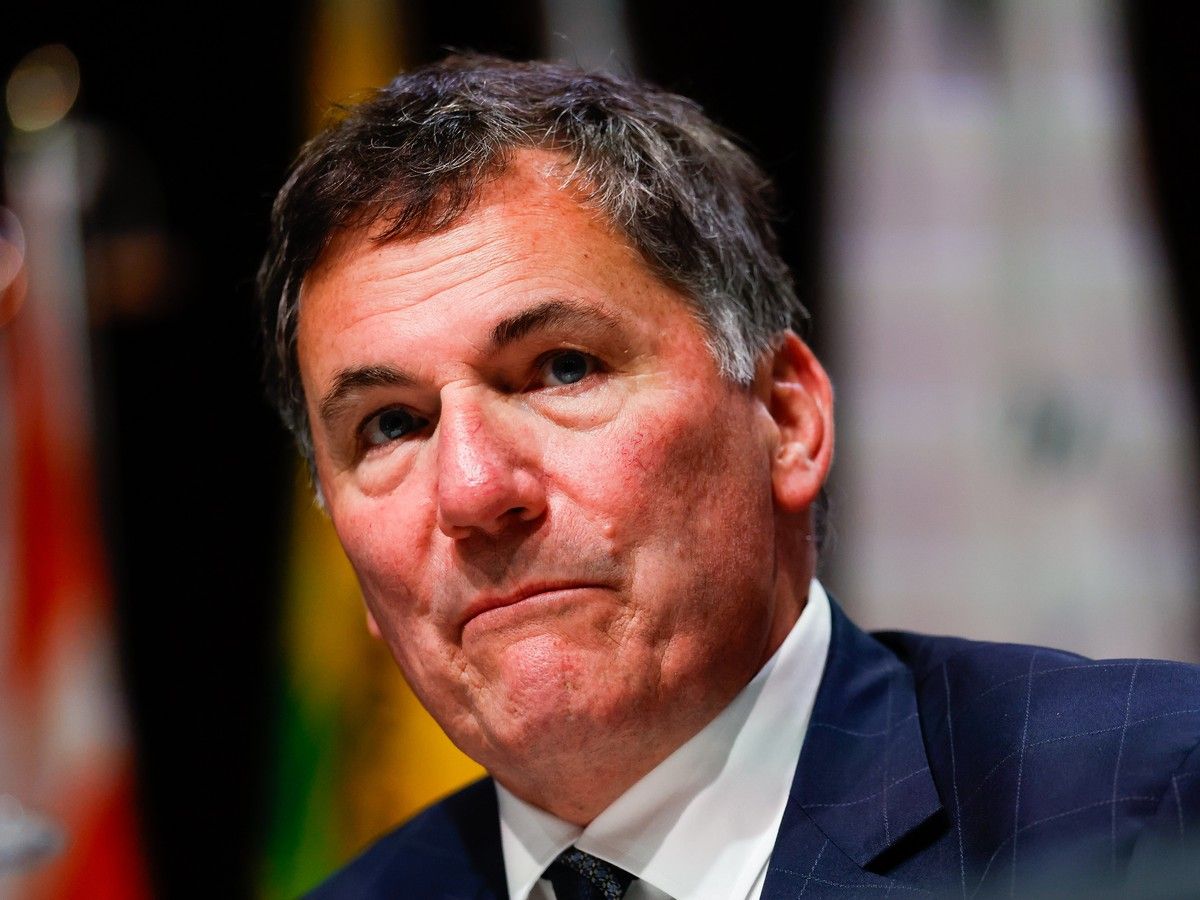

Minister responsible for Canada-U.S. Trade Dominic LeBlanc in Ottawa on Thursday, July 16, 2026. This content is reserved for subscribers.


Minister responsible for Canada-U.S. Trade Dominic LeBlanc in Ottawa on Thursday, July 16, 2026. This content is reserved for subscribers.

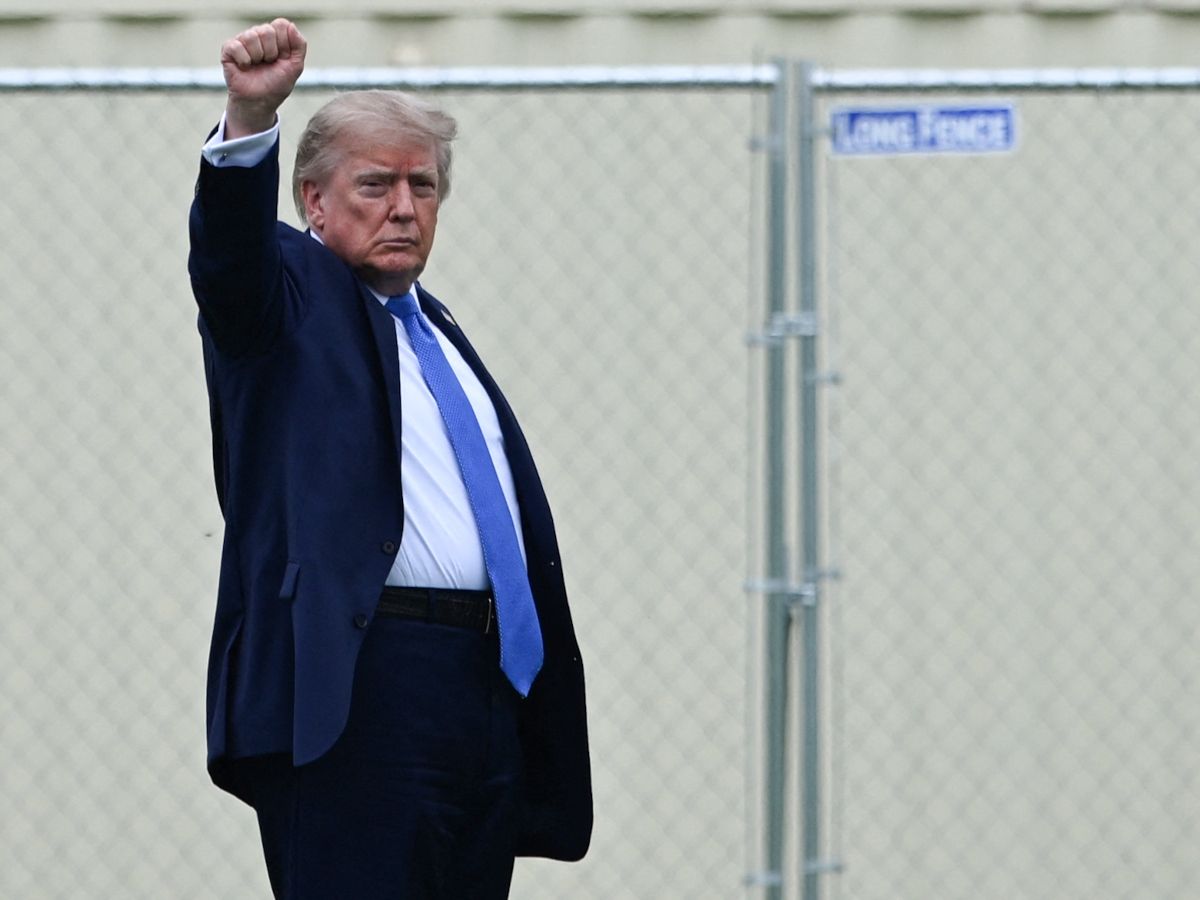
U.S. President Donald Trump

As U.S. President Donald Trump’s Wednesday tariff deadline looms, there are worrying signs that Canadian manufacturers are going to pack up and move south of the border. This is unsurprising for a country that imposes high costs on businesses and seems to have resigned itself to being Trump’s whipping boy.

Last month, KPMG Canada released the results of a survey of 275 Canadian manufacturers conducted in May, which found that 42 per cent of them have considered, or are currently considering, moving production south of the border. Eleven per cent said they’re thinking of moving their head offices to the United States.

A few weeks later, the Financial Post reported that Vancouver-based Interfor Corp., one of the world’s largest lumber producers, plans to “shift its corporate and functional support operations” from British Columbia to Georgia, largely due to Trump’s crippling 45 per cent tariffs on softwood lumber.

Coercing manufacturers to relocate production to the U.S. is, of course, exactly what Trump hoped to achieve. It also explains why the president has singled Canada out for disproportionate punishment: while the U.S. can’t compete with developing countries on labour costs and moving operations from Europe is a costly endeavour, Canada is situated right next door, has an economy that’s already highly integrated with the U.S. and has relatively high wages and an uncompetitive tax system.

If these weren’t reasons enough to put Canada in the crosshairs, Prime Minister Mark Carney has shown little willingness to stand up to the bully next door. A year ago, he unilaterally removed most of the counter-tariffs imposed on American goods by his predecessor, only maintaining duties on steel, aluminum and automobiles to protect Canadian industry from similar U.S. tariffs.

It’s now apparent that this was a tactical mistake: Carney’s gesture of goodwill lost Canada a strategic bargaining chip, while failing to buy trade peace. Now, the Trump administration is citing Ottawa’s reciprocal tariffs on autos, along with booze bans imposed by some provinces in response to Trump’s trade war, as part of its justification for imposing 50 per cent tariffs on US$20 billion (C$28 billion) worth of Canadian goods.

Whether that actually happens remains to be seen: the president gets called on his bluffs so often, the acronym TACO (Trump always chickens out) has entered the English lexicon. Except once in a while, he kidnaps the president of Venezuela, bombs Iran or imposes tariffs on the entire world, ensuring everyone must remain on their toes at all times.

Regardless, the message to Canada, as explained by White House trade advisor Peter Navarro in these pages last month, is crystal clear: we will whip you as much as we want, and if you try to fight back, we’ll punish you even harder.

This position makes sense, given that most countries have quietly acquiesced to Trump’s tariffs. But Canada stands apart from the pack because we’re America’s second-largest trading partner , behind Mexico and ahead of China, and have had a free-trade agreement in place since 1989 .

In his first term, Trump railed against NAFTA, calling it the “worst trade deal ever made,” and renegotiated it as the Canada-U.S. Mexico Agreement (CUSMA). The fact that he now intends to violate his own agreement by imposing crippling tariffs on many CUSMA-compliant goods does not inspire a lot of hope for any future settlement — the man likes making deals, just not keeping them.

With this latest trade threat, the White House is hoping we’ll scrap our longstanding yet self-destructive system of supply management, restock provincial liquor stores with American booze and drop our counter-tariffs on automobiles, all before sitting down to renegotiate CUSMA, which is clearly a nonstarter.

The flurry of trade negotiations in Washington suggests the federal Liberals are hoping to make some minor concessions to avoid the threatened sanctions and head into the CUSMA talks with our biggest bargaining chips in tact. Yet even if such a strategy succeeds, Canada will be left with a weaker hand — and the White House knows it.

The alternative strategy — and the only one that appears to work with Trump — is to up the ante. This is the tactic that’s been employed by China and Iran, the two countries that have arguably succeeded in getting the Trump administration to back down.

When Trump escalated his trade war with China last year, the Middle Kingdom didn’t roll over, but instead raised the stakes, continually increasing tariffs on American imports to a peak of 125 per cent. At this point, the White House caved, dropping tariffs to 30 per cent, from a high of 145 per cent.

Iran also refused to yield after being hit with punishing American and Israeli airstrikes. Instead of taking the off-ramp offered by the administration, it continued blocking the Strait of Hormuz, which appears to have succeeded, as Trump is no longer insisting Tehran put a stop to its nuclear program. The Iranian regime knows that both Trump and the American people have little appetite for war, and have exploited it to their full advantage.

Both countries are bad actors, and I’m by no means suggesting we should get in bed with them or emulate their tactics. But Canada does more trade with the U.S. than China — purchasing over US$333 billion worth of U.S. good last year alone — which means that any retaliatory measures we impose could have a big impact on the American economy. And with the midterm elections looming, now would be the time to make our move.

National Post
jkline@postmedia.com
Twitter.com/accessd


U.S. President Donald Trump

As U.S. President Donald Trump’s Wednesday tariff deadline looms, there are worrying signs that Canadian manufacturers are going to pack up and move south of the border. This is unsurprising for a country that imposes high costs on businesses and seems to have resigned itself to being Trump’s whipping boy.

Last month, KPMG Canada released the results of a survey of 275 Canadian manufacturers conducted in May, which found that 42 per cent of them have considered, or are currently considering, moving production south of the border. Eleven per cent said they’re thinking of moving their head offices to the United States.

A few weeks later, the Financial Post reported that Vancouver-based Interfor Corp., one of the world’s largest lumber producers, plans to “shift its corporate and functional support operations” from British Columbia to Georgia, largely due to Trump’s crippling 45 per cent tariffs on softwood lumber.

Coercing manufacturers to relocate production to the U.S. is, of course, exactly what Trump hoped to achieve. It also explains why the president has singled Canada out for disproportionate punishment: while the U.S. can’t compete with developing countries on labour costs and moving operations from Europe is a costly endeavour, Canada is situated right next door, has an economy that’s already highly integrated with the U.S. and has relatively high wages and an uncompetitive tax system.

If these weren’t reasons enough to put Canada in the crosshairs, Prime Minister Mark Carney has shown little willingness to stand up to the bully next door. A year ago, he unilaterally removed most of the counter-tariffs imposed on American goods by his predecessor, only maintaining duties on steel, aluminum and automobiles to protect Canadian industry from similar U.S. tariffs.

It’s now apparent that this was a tactical mistake: Carney’s gesture of goodwill lost Canada a strategic bargaining chip, while failing to buy trade peace. Now, the Trump administration is citing Ottawa’s reciprocal tariffs on autos, along with booze bans imposed by some provinces in response to Trump’s trade war, as part of its justification for imposing 50 per cent tariffs on US$20 billion (C$28 billion) worth of Canadian goods.

Whether that actually happens remains to be seen: the president gets called on his bluffs so often, the acronym TACO (Trump always chickens out) has entered the English lexicon. Except once in a while, he kidnaps the president of Venezuela, bombs Iran or imposes tariffs on the entire world, ensuring everyone must remain on their toes at all times.

Regardless, the message to Canada, as explained by White House trade advisor Peter Navarro in these pages last month, is crystal clear: we will whip you as much as we want, and if you try to fight back, we’ll punish you even harder.

This position makes sense, given that most countries have quietly acquiesced to Trump’s tariffs. But Canada stands apart from the pack because we’re America’s second-largest trading partner , behind Mexico and ahead of China, and have had a free-trade agreement in place since 1989 .

In his first term, Trump railed against NAFTA, calling it the “worst trade deal ever made,” and renegotiated it as the Canada-U.S. Mexico Agreement (CUSMA). The fact that he now intends to violate his own agreement by imposing crippling tariffs on many CUSMA-compliant goods does not inspire a lot of hope for any future settlement — the man likes making deals, just not keeping them.

With this latest trade threat, the White House is hoping we’ll scrap our longstanding yet self-destructive system of supply management, restock provincial liquor stores with American booze and drop our counter-tariffs on automobiles, all before sitting down to renegotiate CUSMA, which is clearly a nonstarter.

The flurry of trade negotiations in Washington suggests the federal Liberals are hoping to make some minor concessions to avoid the threatened sanctions and head into the CUSMA talks with our biggest bargaining chips in tact. Yet even if such a strategy succeeds, Canada will be left with a weaker hand — and the White House knows it.

The alternative strategy — and the only one that appears to work with Trump — is to up the ante. This is the tactic that’s been employed by China and Iran, the two countries that have arguably succeeded in getting the Trump administration to back down.

When Trump escalated his trade war with China last year, the Middle Kingdom didn’t roll over, but instead raised the stakes, continually increasing tariffs on American imports to a peak of 125 per cent. At this point, the White House caved, dropping tariffs to 30 per cent, from a high of 145 per cent.

Iran also refused to yield after being hit with punishing American and Israeli airstrikes. Instead of taking the off-ramp offered by the administration, it continued blocking the Strait of Hormuz, which appears to have succeeded, as Trump is no longer insisting Tehran put a stop to its nuclear program. The Iranian regime knows that both Trump and the American people have little appetite for war, and have exploited it to their full advantage.

Both countries are bad actors, and I’m by no means suggesting we should get in bed with them or emulate their tactics. But Canada does more trade with the U.S. than China — purchasing over US$333 billion worth of U.S. good last year alone — which means that any retaliatory measures we impose could have a big impact on the American economy. And with the midterm elections looming, now would be the time to make our move.

National Post
jkline@postmedia.com
Twitter.com/accessd


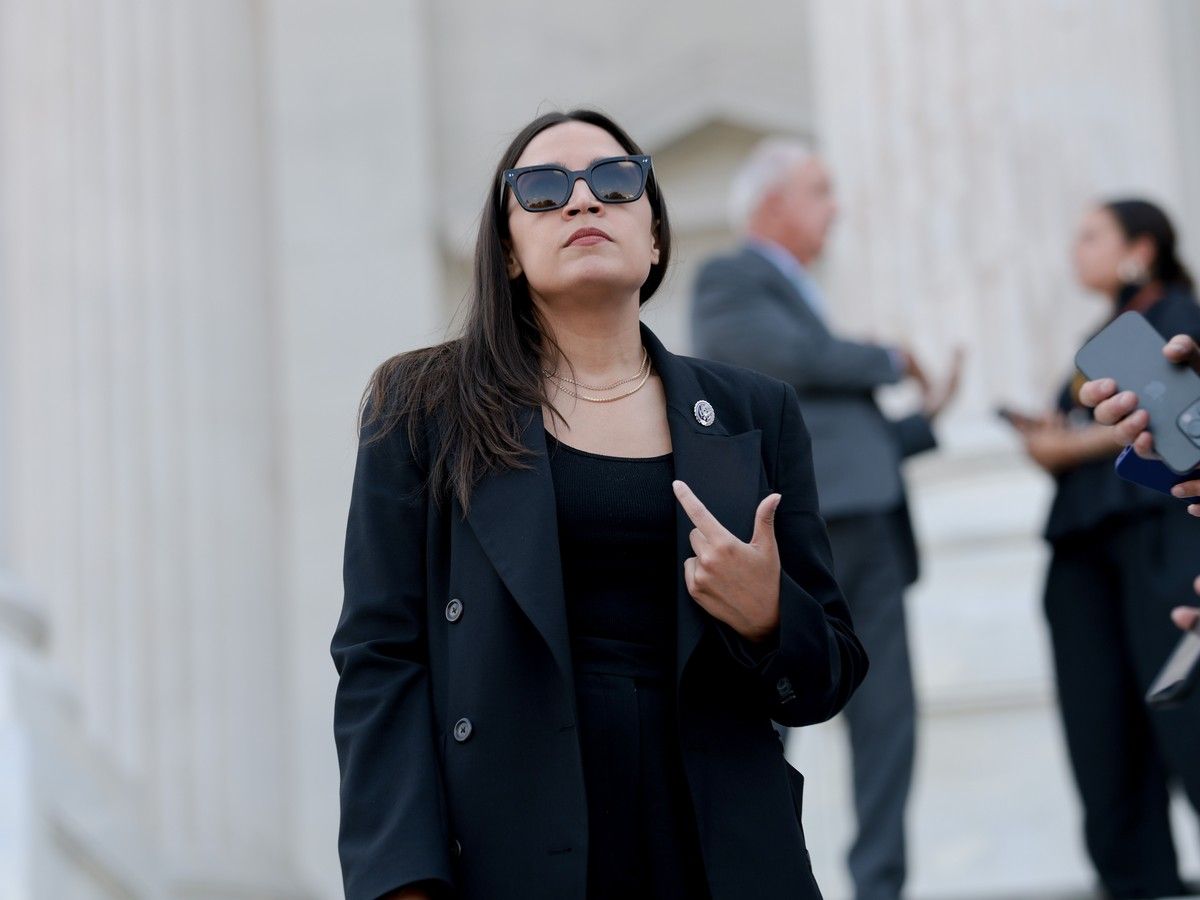
U.S. Rep. Alexandria Ocasio-Cortez (D-NY) speaks to reporters on the House steps after a series of votes at the U.S. Capitol on July 22, 2026 in Washington, DC.

United States Representative Alexandria Ocasio-Cortez recently declared that “Woke 1 was crazy.” That was supposed to represent a retreat from the extremes reached during the alleged first wave of “woke,” conjuring up memories of compulsory struggle sessions, left-wing racialization in universities and the workplace, and pronoun creep.

Woke 1 was rather ridiculous and provided great fuel for laughs and cheap entertainment across North America. However, Woke 1 implies Woke 2 is coming, and it will be far worse when it does. In fact, in Canada, at least, Woke 2 is already here, and the fact it is quieter is not a sign of weakness. Not only is Woke 2 turning the accommodation of Woke 1 into durable power, it is cycling in fresh causes post-pandemic.

The second wave is being driven by the same people who insisted on gender-neutral washrooms, the relitigation of history, and the eradication of basic standards concerning appearance and hygiene. Now they are graduating from law schools and entering government. If Woke 1 was able to bludgeon the establishment into partial compliance, Woke 2 will complete the transformation as more and more inmates start to run the asylum.

Woke 1 started in the mid-2010s, when the mediocre NFL quarterback Colin Kaepernick was considered important for taking a knee during “The Star-Spangled Banner.” Alongside that came the rise of land acknowledgements and activist students ripping the gender signs off campus washrooms.

The high-water mark of Woke 1 was the George Floyd riots and unrest of 2020, capped off by the first defeat of Donald Trump in the U.S. presidential election. There is no question that Trump’s victory in 2016 and the ascendancy of right-wing populism in western politics saw a parallel eruption on the left.

People learned to roll their eyes as institutional panic gave way to corporate sermons, renamed universities , and plans to spend billions on “anti-racism” strategies. However, this was still accommodation rather than full-scale transformation.

Woke 2 will have different ideological pillars on the surface, but the same agenda of deconstruction. New bosses and department heads who will swap out rants about “privilege” for removing “barriers,” which, in effect, means curtailing the career advancement for straight, white men to the benefit of everyone else. This is already happening , but Woke 2 will cement it with more professional, less politicized language, rather than leave it as a short-term circus.

Persuading the public is no longer the goal of Woke 2. Rather, it will be about controlling money and sinecures and deciding who and what receives grants, contracts, and licences.

Canada is uniquely exposed because, unlike almost every other western country that experienced a non-left interlude, it has not had a federal Conservative government since 2015. For almost 11 years now, the Liberals have happily incorporated Woke 1 into the “big tent” and twisted government policy to suit it.

Whatever changes Mark Carney has nominally brought to the Liberals, the imprint of Justin Trudeau’s zeal for Woke 1 is found in the qualifications for Canada Research Chairs , academic advancement, and grant-making. In fact, Canada exited Woke 1 ages ago and is already deep into the quieter, more effective and insidious Woke 2.

The Privy Council Office’s 2026–27 plan says “Gender-based Analysis Plus” will be thoroughly integrated into the affairs of government, including mandatory assessments in cabinet committee documents and memoranda to Cabinet. The Treasury Board of Canada Secretariat is pushing through an expansive DEI plan for 2026–29, and Canada’s Anti-Racism Strategy explicitly seeks a whole-of-government approach reaching housing, immigration, justice, health and employment.

Canada and the United States both now host a powerful form of diasporic politics, in which North American money and political capital is looted in the service of foreign causes . This may represent less of a convergence than the U.S. catching up to Canada given Ottawa’s long history of pandering to ethnic voters, no matter which party is in-charge.

Conversely, one of the most striking divergences between Canada and the United States is the decline of prominent Black American movements and initiatives that defined the previous wave. Woke 1 was deeply tied to racial tensions between Black and white Americans, especially regarding police conduc t and the presence of controversial symbols like the Confederate flag .

Woke 2 features less of that, and Middle Eastern affairs have instead come to dominate it, with Muslim Americans flexing their electoral power in cities like New York and swing states like Michigan .

With no Donald Trump-type figure to smash the DEI initiatives of Woke 1, Canada has continued to entrench them while allowing Woke 2 to shape foreign and domestic policy. The cleverness of Woke 2 is that cabinet ministers and other officials will quietly normalize all of it and describe it in ways that sound responsible, lawful and eminently fundable to moderates.

In lieu of a right-of-centre prime minister, Canada’s Conservative premiers have offered little more than skirmishes against either Woke 1 or Woke 2. There certainly has been no organized, large-scale counteroffensive. Alberta and Saskatchewan enacted meaningful parental-rights measures , while New Brunswick’s earlier Policy 713 controversy briefly became part of the same battle before its government was replaced by a Liberal provincial government. However, all of that resistance has been confined largely to schools, names, pronouns and parental consent.

Nova Scotia’s own Progressive Conservative government, despite its name, has proudly introduced a whole-of-government Equity and Anti-Racism Strategy. With few exceptions, Atlantic Progressive Conservative parties never fail to make the first word in their names shine.

Canada has undergone a steady laundering of controversial, radical left-wing ideas into neutral-looking administrative obligations. There has never been a federal election fought on these issues, and what voters never expressly approved or rejected can easily become the default setting of government.

Woke 2 is already alive and well here in Canada, less a sequel to Woke 1 than its second act.

Consider that and try to have a nice weekend.

National Post


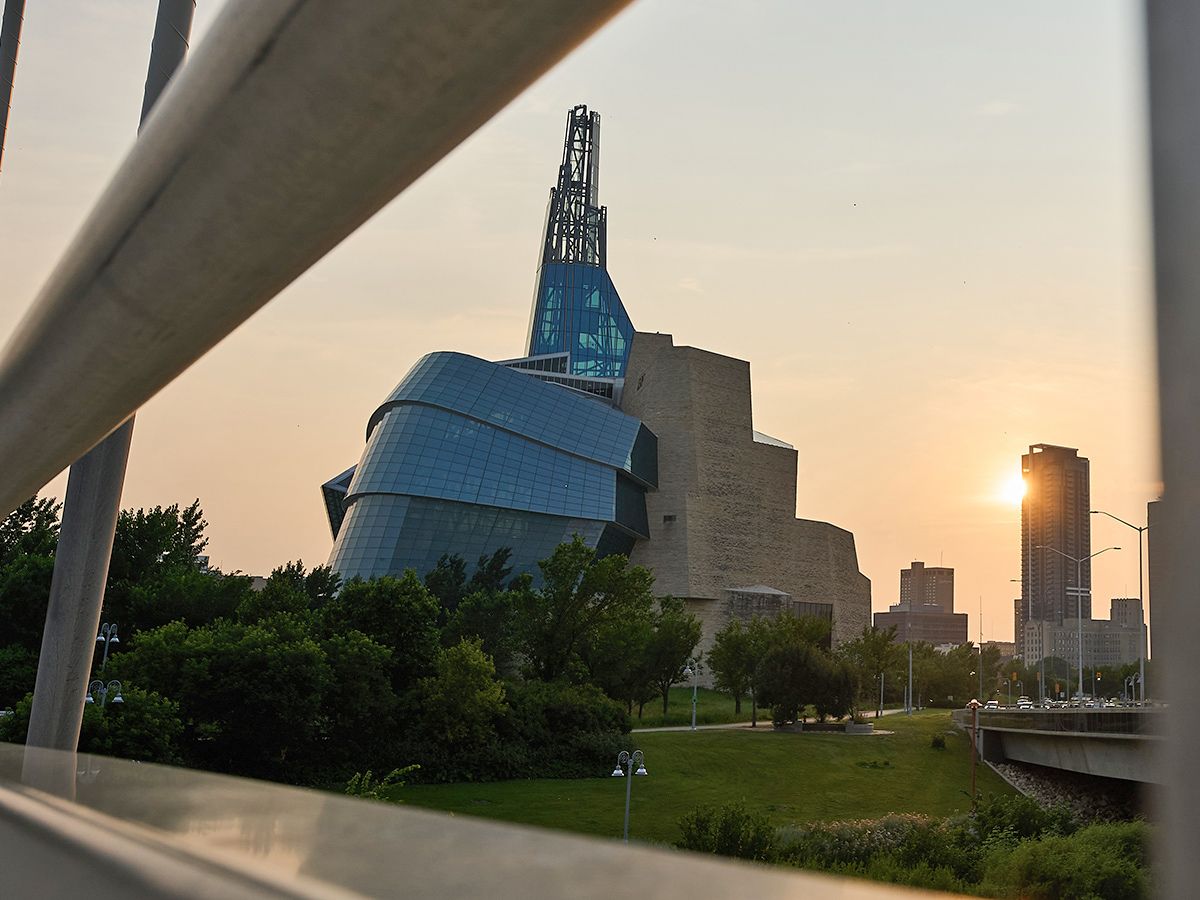
The Canadian Museum of Human Rights in Winnipeg. Twelve years after its launch, the museum now finds itself embroiled in the very sort of prolonged controversy it has long avoided.

The Canadian Human Rights Museum in Winnipeg has been under much scrutiny since the opening of its “Nakba” exhibit on June 27. (The “Nakba” is the controversial term used by Israel detractors to assert that the exodus of 700,000 Arabs from Israel in the 1947-1948 war was a war crime).

One way of looking at the actions of the museum is to contrast it with the actions of the Canadian War Museum in the early 2000s when faced with a controversy of its own. Both museums report to Parliament through the minister responsible for Canadian Identity and Culture, both are Crown corporations. The war museum controversy ended with contrition and correction, in sharp contrast to the attitude of the human rights museum to criticism it is now facing.

In the case of the Canadian War Museum, a large exhibit displaying the story of the Allied bombing of Germany in the Second World War contained a wall display that asserted — correctly — that the Commonwealth Air Forces (including the Royal Canadian Air Force) — “area bombing campaign” was and is controversial from both a moral and strategic point of view — which was and is true. But the wording of the wall display also gave the impression that the bombing campaign did not really have much impact on the war until its very late stages.

The human rights museum controversy arises out of the fact that the museum has stood fast behind its exhibit although there are major discrepancies between what the museum claims happened and what a raft of experts assert happened. For example, the Nakba exhibit contains not a word about the 800,000 Jews expelled from Arab countries in North Africa and the Middle East. The museum claims that the story of the Jewish refugees in the period 1948-1955 is told elsewhere in the building. But those viewing the Nakba exhibit would be hard pressed to know that unless they visited the entire museum and looked at all the exhibits. Something that few museum goers would normally do.

The museum refuses to name the consultants who contributed to the exhibit. Its supporters claim that the government, which owns and funds the museum, should have nothing to say about the exhibits that are put on by it, even though Culture Minister Marc Miller, who visited the exhibit at the time of its opening, criticized aspects of the exhibit, specifically that it should have identified Hamas as a terrorist organization and that it should have “more clearly” described the nature of the Hamas attack on Israel of October 7, 2023. But the exhibit stands as it did on the day it was opened.

That was not the case with the bomber command display at the Canadian War Museum. After considerable uproar by veterans of the Second World War — there were still many thousands still alive at that time — who claimed they were being smeared as carrying out a murderous and immoral campaign that had little impact on the war, the museum engaged several well known Canadian military historians to examine the wall and give their impressions of the veracity of the wording.

The consensus was that the bombing campaign had a significant impact on the Allied victory — a reflection of work done by many British, Canadian and American military historians. Most works today claim not that air bombing won the war, or was even the main reason for the Allied victory, but that it contributed significantly to the defeat of Nazi Germany.

The end result of this controversy was that in late 2007, the offending panel was replaced by a panel with a longer text which declared that the bombing campaign had been a major component of the Allied victory, that there had been a large Canadian contribution to the campaign, but also acknowledged that the campaign was still controversial.

Now, the human rights museum effectively claims that it got everything correct the first time and will not budge whereas in the earlier case, the museum acknowledged its error and corrected it.

The Nakba exhibit is a totally one-sided depiction of the removal — some by panicked human beings fleeing a war they were not prepared for and others who were deliberately forced from their homes by Jewish/Israeli forces — which did not take place at one blow. Israeli historians Benny Morris and Tom Segev showed that in their well documented books about the refugees. But Morris and Segev were not invited to consult. Why not?

Because to do so would have been to admit that the Nakba as presented by the Canadian Museum of Human Rights is actually a propaganda weapon to beat Israel over the head.

David Bercuson is a senior fellow with the Aristotle Foundation for Public Policy and Director Emeritus of the Centre for Military, Security and Strategic Studies at the University of Calgary. He is co-author of the new Aristotle Foundation report, “The Nakba: The Consequences of a War.” He was one of the historians consulted by the Canadian War Museum regarding the Bomber Command display.


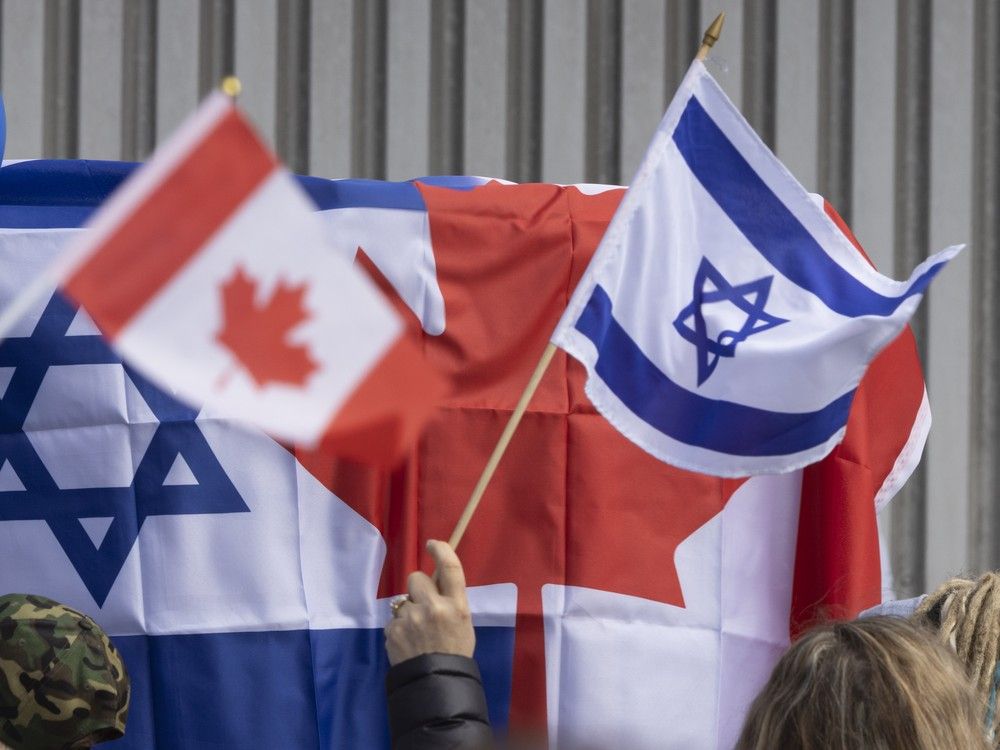
People participate in the UJA's Annual Walk With Israel event in Toronto, Sunday May 25, 2025.

The Hebrew word for emigration is “yeridah,” which translates to “descent.” Its connotation is not kind. In Israel, emigration is often judged as a failure of the individual, rather than the state. Yeridah is a word used to suggest that the émigré couldn’t handle the Israeli lifestyle, namely, conscription in the Israeli army and the economic and social difficulties that come with living in a Jewish state surrounded by belligerent enemies. The word signifies a profound spiritual failure that leads to personal, more than communal, degeneration.

By contrast, the Hebrew term for an immigrant, “oleh,” translates to “one who has ascended,” implying a sort of metaphysical growth that is inherent to living in Israel, bestowed upon an individual in the literal first moments one moves to the country or simply announces their plans to do so. To come to Israel is to grow; to leave Israel is to decline.

Israel has historically had fewer emigrants than immigrants. Except for brief periods in the 1950s and 1980s when emigration spiked amid intensifying conflicts and economic stagnation, immigrants to Israel have almost always outnumbered Israeli emigrants in any given year. But since 2023, the data indicates the opposite is occurring — the number of people leaving Israel for prolonged periods now outnumbers new people coming in.

Various factions in Israel have laid blame for the change at the feet of the government, the ultra-Orthodox, the security situation and economic fragility, among other explanations. Certainly, extended military service and spiking reserve duty that keeps people away from their families for increasingly longer periods are factors.

Whatever the specific reason for any individual, though, the numbers don’t lie: Israelis are leaving — descending — of their own volition at alarming rates, and with the country’s protracted wars and political strife there is no end to the trend in sight.

At the same time, an increasing number of Jews in Canada , the United States and Europe are also talking about moving. Skyrocketing antisemitism in our politics, education and institutions has many diaspora Jews seriously rethinking their relationships to their home countries, finding that the grass appears greener on the other side — whether that grass is in Israel or Florida. One man in Tulsa, Oklahoma, is even trying to convince U.S. President Donald Trump to welcome Canadian Jews as refugees fleeing the antisemitism they experience in Canada.

The fact that Jews across the world are having trouble seeing their current homeland as their future homeland is not especially surprising. Since October 7, many of us have been attacked for being Jewish and Zionist. We see the writing on the wall, often quite literally. We might expect Israelis to be used to this kind of life, more battle-hardened and inclined to stick with their investment. But there is a tipping point for everyone, even Israelis; a moment when continuing to live life as one has now feels unwise. When that happens — wherever it happens — it’s natural to start looking for friendlier, more peaceful climes.

Who can blame Israelis for being tired of shouldering the burden so that the rest of us can have a fallback plan? They have lives to live, too, and at some point, the “ascent” to Israel can start to look like a bad deal. If anyone deserves a break from the front lines, it’s Israelis.

And for that matter, who can blame diaspora Jews pining for a safer existence, one that allows them to be who they naturally are without fear that a large and increasing swath of their society hates them for it? If anyone deserves the opportunity to experience that type of freedom, it’s diaspora Jews.

But will any Jews currently considering relocation find that? If Israelis feel unsafe living in Israel, and diaspora Jews feel unsafe living in their diaspora countries, like Canada, it doesn’t exactly sound like it. There’s nowhere else to go, really.

It is probably too radical to suggest that the two camps switch homes for a while — call it a sabbatical — and see how the other half lives. But for the vast majority of diaspora Jews heavily invested in the future of Israel, perhaps it’s time to try living there — not necessarily forever, but as a kind of Jewish call to duty.

And for Israelis, maybe it’s time for a break, so that they can simply catch their breaths and live stress-free for a while. If most Jews in Israel and the Diaspora agree that maintaining a Jewish state is the key to our future — our survival — why shouldn’t we all take a turn contributing to ensuring that happens?

At best, the entire Jewish world will be able to authentically call themselves ascendant to the land of Israel. Perhaps more likely, all of us — in the diaspora and Israel — will realize there’s a reason that we are where we are.

National Post


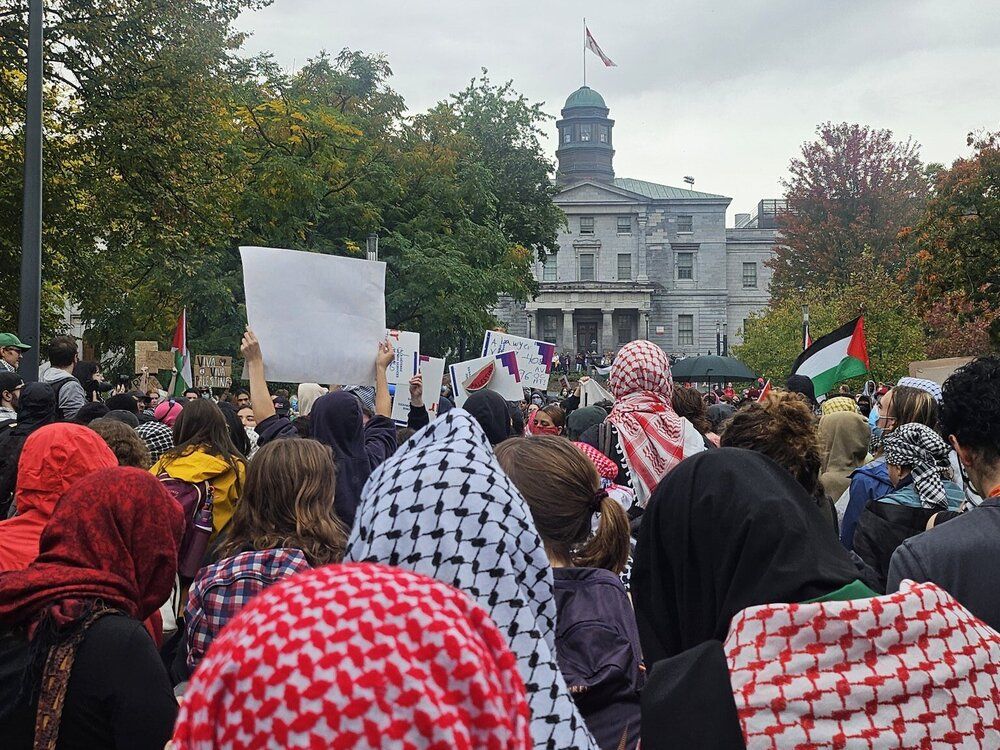
Anti-Israel protesters gather on McGill University's campus in Montreal on the two-year anniversary of October 7. Photo credit: Terry Newman / National Post

Jewish students and their parents must prepare themselves for shock and awe this fall on college and university campuses. The latest statistics coming from a report commissioned by the Department of Canadian Heritage are alarming. The report found that 95.7 per cent of the 900 students interviewed experienced some sort of antisemitism, while 84 per cent considered antisemitism a serious matter on campus.

This is not alarmism . There is now concrete evidence showing that 7 in 10 Jewish respondents in the study felt their universities were not taking antisemitism seriously. Seventy-two per cent said they limit what they say in class about being Jewish. Fifty-seven per cent avoid wearing or displaying Jewish symbols because of safety concerns. Sixty-eight per cent said their campus is not a safe and inclusive place for Jewish students.

It’s been 21 years since I attended the first “Israeli Apartheid Week” at the University of Toronto. Since then, I have been on the frontlines witnessing countless demonstrations, anti-Israel speakers and even the now infamous ‘boycott, divestment and sanctions’ campaigns promulgating hate against the Jewish state and Jewish students. The situation has only gotten worse for our children.

Who would have thought that the Palestinian flag would make an acceptable appearance at some graduation ceremonies this past spring?

The consequences of these sobering statistics are transforming how Jewish students live and learn as they and their parents worry for their safety, given the report’s finding that 22 per cent have experienced some sort form of physical violence.

One student described a kippah-wearing friend being chased from a university building by people shouting , “There’s a Jew — let’s get him.”

In another survey commissioned by the Association for Canadian Studies, positive opinions of Judaism fell from 49 to 40 per cent over 15 months, while negative opinions rose from 25 to 32 per cent.

The question for us all is whether universities are just factories for turning out anti-Jewish bigots who are now forming our nation’s social fabric.

Jewish students entering university this fall will be on the frontlines of Jew-hate and they must come prepared, especially if they are entering their first year. Here are some of my suggestions:

First, I recommend they develop a safety and support plan, even before classes begin. Aside from identifying campus security contacts and emergency numbers, they can connect with aligned and trusted faculty (even if not their own), join Jewish student groups like Hillel and Chabad and foster a strong social protective network. They must never confront organized anti-Israel hostility alone.

Second, for those wishing to pursue activism, I suggest they document all issues of concern using video and screenshots — provided it is safe and legal. Evidence is far more difficult for an institution and law enforcement to ignore. In this, students can create report incidents in writing to deans, university presidents and even members of governing boards, citing applicable university discrimination policies. I encourage students to also refer the matter to local law enforcement and an external Jewish organization, especially concerning hate speech and violence.

Third, understanding your legal rights as a student is important. Threats and intimidation, blocking access anywhere on campus, following students, damaging property, glorifying terrorism and, of course, open discrimination and exclusion are all illegal according to Canadian law. Universities often hide or bury these incidents excusing them as “academic freedom.” Aside from issuing a complaint to administration, students should refer such matters externally to law enforcement.

Fourth, I strongly encourage students not to get baited into uncontrolled confrontations in person or online. It’s important to always remain calm and not be drawn into reckless behaviour that might endanger yourself or a friend.

For their part, parents these days must remain engaged given these safety concerns. Some students may be genuinely afraid to be away from the comfort of home, feeling isolation, fear and anxiety.

None of these suggestions relieve universities from accountability. These jarring statistics are a wake-up call for all university presidents about the need for immediate institutional change. No Jewish student should have to hide their Star of David or remove their kippah, a sign that the university has failed one of its most fundamental objectives — to turn every student into a respectable and contributing member of society.

Jewish students should return to campus alert, organized and unafraid. They should know their rights, protect one another, record every incident and demand accountability.

Avi Abraham Benlolo is the chairman and CEO of The Abraham Global Peace Initiative, a Canadian think-tank countering antisemitism, defending Israel and promoting democracy.


Student protesters block the entrance to a lecture hall in the Leacock Building on the downtown McGill campus in Montreal.

Canadian authorities, by and large, now regard antisemitism as a significant and growing problem, and universities have become one of the places where, post-Oct. 7, 2023, it has manifested itself most visibly.

When Prime Minister Mark Carney identified antisemitism in Canada as having reached levels not seen in generations, he specifically highlighted the plight of Jewish students being driven from common spaces on University campuses.

Hundreds of experiences like that and far more egregious instances of antisemitism are detailed in the Campus Antisemitism and Student Experiences (CASE) report issued last week.

Here’s a verbatim sampling of what some Jewish students say they have experienced on Canadian campuses taken from that report:

I was told “Hitler should have finished you off” when people found out that I was Jewish.

I saw graffiti saying “Zionism is a death cult,” “Zionists invent false allegations of sexual assault,” “Death to Zionism,” and “Death to Israel.”

A professor wrote that we need to kill all Zionists, that she had worked with them and saw how evil they were.

I went to the bathroom; someone saw my (Star of David) and said, “Welcome to your gas chamber,” while people were vaping.

I was told to go die when I said I was a Jew from Israel.

My friend was walking through (REDACTED) Hall. He also wears a kippah, and a group of students shouted, “There’s a Jew…let’s get him.” They then chased him out of the building.

I was told by a professor, in class, in the middle of the lecture, that Jews belong in Poland and need to go back.

I was told that it was a shame Hitler did not finish the job.

I heard a Jewish friend being called a Zionist whore and spat on because she was wearing a visible Magen David.

I faced extreme pressure from other student organizations to release a statement against Zionism in my position as president of the (REDACTED) student union, and had my name placed on a list circulating on and off campus as a “known Zionist.”

Students asked me to remove my chai necklace because it was too Jewish.

Professor assigned us to listen to a podcast that discussed how Zionism was similar to Nazism, which was unrelated to the course.

I was harassed online … She went as far as spamming my art page for five days straight, sending me radical reels, calling my elderly family “killers.”

Various (protesters) shouted antisemitic slurs at visibly Jewish students on campus, including phrases such as “Hitler should have killed all of you.”

In first year, several mezuzot were torn from the doors of my residence. They never caught the people who did it.

Residents at my on-campus residence started rumours about me that I am a child killer, white supremacist, racist, and Zionist, all because these people found out that I was Jewish.

Jews were described as greedy for money in a lecture.

In a course that had nothing to do with Israel, my professor spent three weeks talking about Gaza and the creation of the State of Israel. He never mentioned the Holocaust as a precursor to its founding, repeatedly calling the state a “Zionist political project.”

When discussing characters in a book, my professor described one character by saying that “based on his last name, he is clearly Jewish and probably has a hooked nose.”

I and many other members of a Jewish organization unrelated to Israel received phone calls containing death threats after October 7.

Someone waiting in line in front of me said: “The Holocaust did not really happen. But if it did, Hitler was right.”

I cannot speak Hebrew with my parents on the phone on campus; I have stopped wearing Jewish symbols; I cannot talk about my holiday plans because they are Jewish; I have to hide who I am and where I come from.

Many students minimize the Holocaust and Jewish trauma, say that Gaza is the modern Auschwitz, and accuse Jews of “becoming what you swore to destroy.”

We were excluded from our (Equity, Diversity, Inclusion) community when it held a “pro-Palestinian” support meeting and said it was not offering a support group for Jewish/Israeli students. So we created our own support group.

Working in my labs, I have had people refuse to work with me due to my Jewish identity and purposely try to mess up my data.

Several faculty members in my program minimized the Holocaust or used it to condemn the Israeli response immediately after October 7.

My classmates required me to share my opinions on Israel as a condition for joining a student-led EDI initiative that should have been open to all graduate students in my department.

I heard a professor say that “Hitler was a hero.”

I was in the library and saw written on a desk: “Just because Hitler killed 6 million Jews does not mean he is a bad person.”

When I was at the campus gym, while wearing a kippah that made me visibly Jewish, a student came up to me and said he wished all Israelis would die because we are “a bunch of colonizers from Europe.”

Shortly after October 7, I told my PhD supervisor that I did not feel safe on campus and she replied: “Well, you should see the other side.”

A member of my anti-racism research lab at the university minimized the impact of the Holocaust while the other lab members remained silent. For example, she said: “The Holocaust was not the first time gas chambers were used. They were first used against Indigenous peoples in Canada.” When I raised this with my research supervisor, now tenured, her reaction was to protect the student responsible. For example, she said: “What happens in the lab stays in the lab.”

I was told to leave a public space because I was wearing a kippah.

One of my friends asked me what I was doing for Christmas, and I answered that I do not celebrate it because I am Jewish. She immediately asked whether I was Zionist. I answered yes, and she began excluding me from activities and making hateful remarks when she saw me on campus.

Many students minimize the Holocaust and Jewish trauma, say that Gaza is the modern Auschwitz, and accuse Jews of “becoming what you swore to destroy.”