LP_468x60
on-the-record-468x60-white

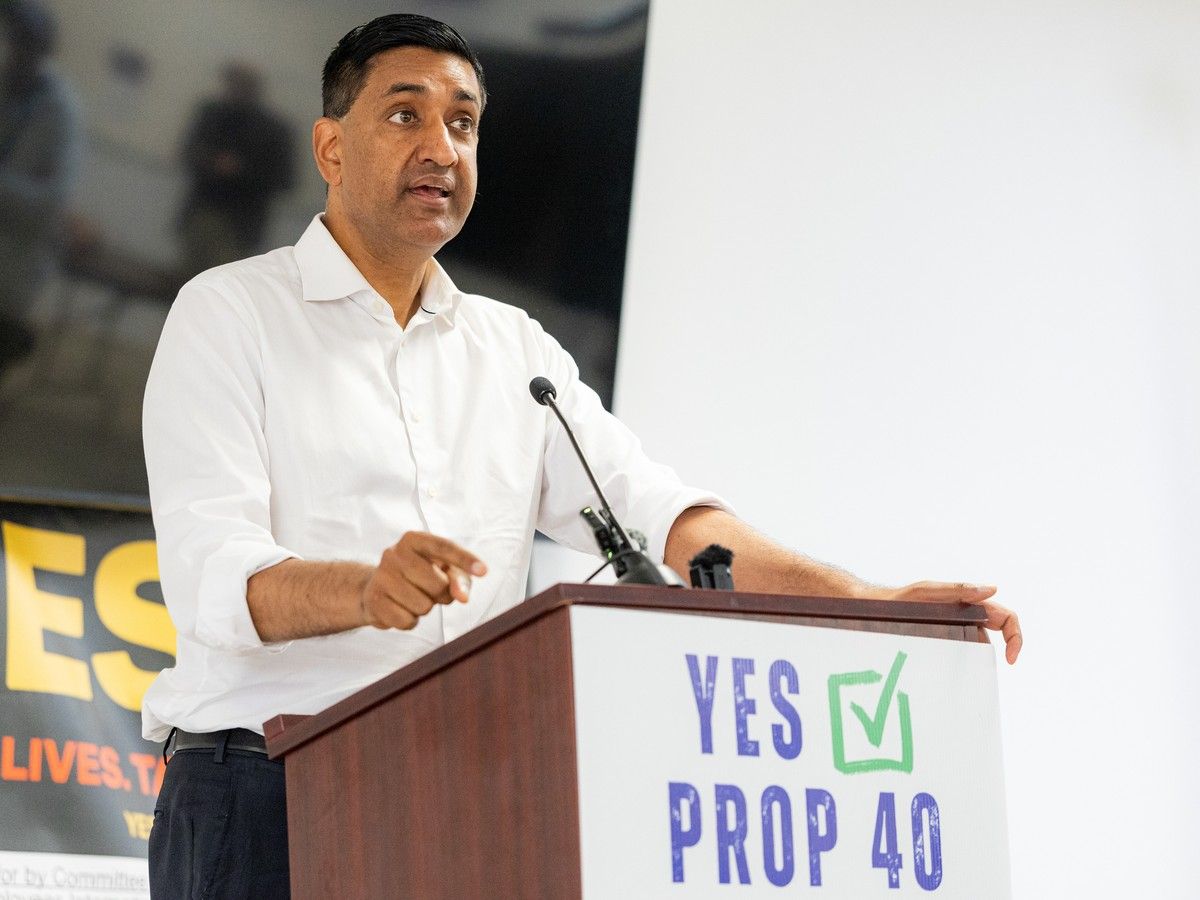
Representative Ro Khanna, a Democrat from California, speaks during a rally in support of Prop 40 in San Jose, California, US, on Tuesday, Aug. 18, 2026. California billionaires would face a one-time 5% tax on their wealth through a ballot initiative that advocates say could bring in about $100 billion to cover state health-care costs. Photographer: Jason Henry/Bloomberg via Getty Images

Rep. Ro Khanna (D-CA) has an idea for promoting his pet wealth tax. To prosperous Californians who say their wealth is tied up in businesses that create value but don’t offer a lot of liquid cash to pay massive tax bills, the progressive politician responds that the government could loan them the money secured by pledges of corporate stock. That sparked a dispute with entrepreneur Mark Cuban who argues that it sounds more like a plan for creeping nationalization than for raising revenue.

At a time when socialists are on the rise in the Democratic Party, that’s very likely what it is.

“The California Democratic Party and the California labor movement just stood with @BernieSanders and me in supporting 5% wealth tax on 250 California billionaires,” Khanna posted on X on Aug. 15. “California voters want a Democratic Party that will stand up for the working class over the billionaire class.”

Even before Californians vote on the wealth tax proposal in November, the plan has already driven some high-net-worth individuals to leave the state . In January, venture capitalist Chamath Palihapitiya estimated that US$1 trillion of wealth had fled from California to avoid getting an expensive financial haircut that might be repeated in the future. Unsurprisingly, non-fans of punitive taxation pushed back against Khanna’s boast.

Mark Cuban, a Texas resident who has amassed billions of dollars from repeated tech startups, pointed out that no matter their paper worth, most company founders “are the definition of cash poor, stock rich.” He asked Khanna, “How are you going to tax them? Make them borrow money against their shares, if they can?” He emphasized that banks are already leery of debt-heavy startups, and unlikely to loan more money just to cover tax bills.

Khanna responded that if banks won’t loan the money the California government should.

“Allow illiquid founders to pledge shares with a loan from the government to pay tax. The loan period is long but not infinite (e.g. 10 years),” the lawmaker suggested. “The loan is non-recourse: at the end of the period, the loan is either paid back in cash, or the government assumes the shares.”

Cuban snapped back that having the state government loan entrepreneurs money to pay taxes to the state government makes no sense “(u)nless of course you want the gov to own shares.” The Texas businessman added that the implications would be demoralizing for investors who backed motivated founders only to see them muscled aside by state officials. “Cali, You make it. We take it!” he snarked.

Palmer Luckey, founder of companies including Anduril Industries, complained that the proposed tax “makes founder-led companies practically illegal” since it taxes founders not just on their ownership interest, but on their voting power in the company. “If a founder-CEO of a $1B private company owns 3% but keeps 100% of the voting power, he gets taxed on the value of the whole company.“

Luckey reiterates a point raised by the Tax Foundation’s Jared Walczak early this year . He cautioned that because of “aggressive design choices and possible drafting errors, the actual rate on taxpayers’ net worth could be dramatically higher” than the much-discussed five per cent. He called out language in the measure that specifies “the percentage of the business entity owned by the taxpayer shall be presumed to be not less than the taxpayer’s percentage of the overall voting or other direct control rights.”

As an example of what this could mean in application, Walczak pointed out that DoorDash founder Tony Xu owns 2.6 per cent of the company but controls 57.6 per cent of voting rights. His $2.41 billion ownership interest could turn into a much larger tax bill. “Since selling his shares incurs capital gains tax, moreover, and the entire value of these shares is capital gains for him, his total tax liability for his DoorDash shares would be $4.17 billion — 173 per cent of their value.”

Such a tax bill would be crippling, even to a wealthy entrepreneur. Watching just a few founders suffer such highway robbery would quickly drive the startup market out of California — except for those companies essentially seized by the state government as payment, of course.

Hedge fund manager Bill Ackman also jumped on Khanna’s proposal. He warned : “Under @RoKhanna’s plan, if the company fails, the founder has debt forgiveness income (DFI) which is taxable at ordinary rates.” Lots of startups fail, of course, and the progressive lawmaker’s plan would ensure that “the penalty for a failed startup is insolvency and the government garnishes your wages for life.”

That would be yet another deterrent to starting future companies in California and risking the partial success of high paper valuations that could put founders in the crosshairs of state tax collectors long before businesses are well established and generating liquid cash. Overall, the wealth tax scheme and Rep. Khanna’s clever idea for turning it into a tool for incremental government takeovers of California-based companies threaten to act as a powerful repellent for founders and investors.

Khanna’s main comeback is that the revenue is necessary to pay for California’s policy preferences. “If folks hadn’t supported Trump and his medicaid cuts, maybe we wouldn’t need this,” he responded .

But strongly desiring a whole lot more money than you have to pay for an ambitious and arguably unaffordable spending program doesn’t make tax schemes wise or viable. If they’re counterproductive and destructive, it doesn’t matter how much progressive politicians wish the truth were otherwise.

Ben Horowitz of A16z, the prominent venture capital firm, called the wealth tax proposal “the best strategy I’ve seen” to break Silicon Valley’s tech dominance, and he didn’t mean that as praise.

The last word should probably go to Mark Cuban, since his sentiments very likely represent those of many other investors who decide which startups to fund.

“IMO, if this passes, only idiot startup founders stay in Cali,” Cuban concluded about the wealth tax proposal. “I will make NOT being in California a prerequisite for an investment.”

Californians will vote in November on whether to implement the proposed wealth tax . Polls show a slight advantage for the scheme though the outcome is still uncertain. The final vote tally could very well transform the state, and not necessarily in ways intended by voters.

National Post
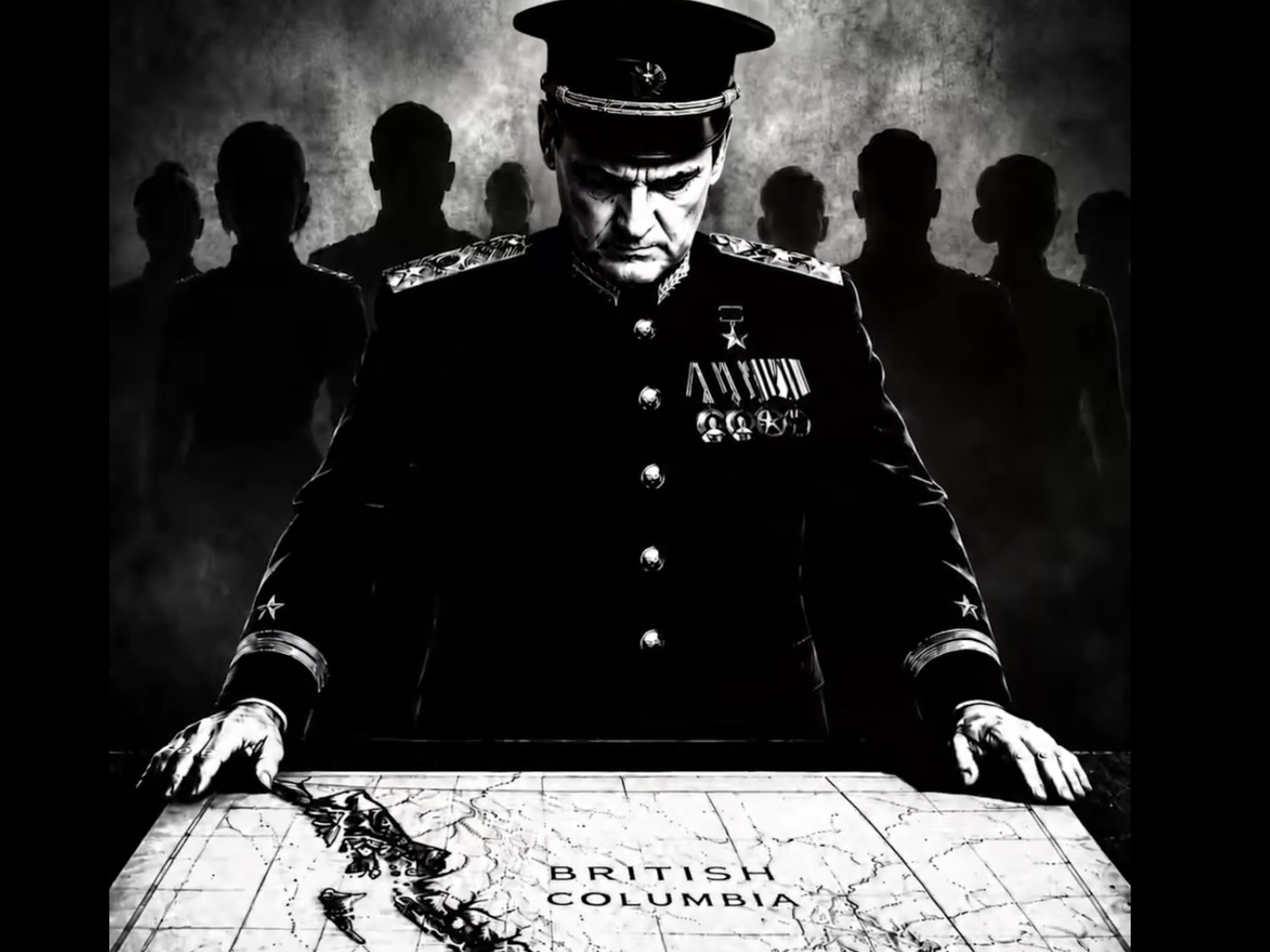

A screenshot of the B.C. Conservative ad about David Eby starting endless culture wars.

Kerry-Lynne Findlay, leader of the Conservative Party of B.C. since May 30, is out for blood.

Her party’s new attack ad on NDP Premier David Eby , scored with a Soviet Red Army-esque anthem, features the premier dressed as some type of decorated communist dictator. In an AI-generated scene, Eby spreads a map of the province on a war room table, a squad of silhouetted soldiers standing at attention behind him. The opening text is a quote attributed to Eby: “Conservatives are bringing culture wars to B.C.!”

It reads: “British Columbians have been living through the NDP’s culture war for nearly a decade.” It goes on to show images of a burning church ; the toppling of Gastown’s Gassy Jack statue ; a screenshot of a National Post story regarding a government guideline discouraging usage of the term “British Columbian”; clips of NDP MLAs using terminology about “settlers,” “uninvited guests,” “colonizers” and a B.C. “genocide”; and a book used to teach schoolchildren about “gender identity.” Eby’s map is then shown littered with pinned NDP flags, symbolizing his complete ideological conquest. The ad finishes by blaming Eby’s NDP for bringing a culture war to our beautiful province — while lying about who started it.

Nothing the attack ad explicitly states is false. Eby’s NDP has sown division and has abetted the ideological capture of our institutions with identity politics. It’s also true that Conservatives (big and small-c alike) are admonished with accusations of initiating or inflaming “culture wars” the moment they push back against the radical legislation or policies of leftist parties. This is a recurring and manipulative tactic of the left, not just in British Columbia. But will the image of the B.C. premier in communist regalia resonate with undecided voters, or turn them off the party entirely?

There appear to be three consistent reactions to the ad on social media: the party’s base is exultant; their detractors are indignant; and others appear perplexed.

Personally, I was delighted by the ad’s boldness — but I’m accustomed to life in the culture war trenches. The ad felt like an invitation for non-combatants to hop into the filth with seasoned soldiers. I’m not so sure they’ll like what they see.

The ad invites criticism for its historical invocations, which is exactly how one former Conservative MLA responded. Independent MLA Elenore Sturko, who defected from BC United to join the Conservatives and was then booted from the party by its former leader, John Rustad, condemned it heartily. “Millions of people have been murdered by totalitarian dictatorships and communist regimes. Millions suffer today. Making a mockery of that shows how unserious the BCC really is,” she quipped on X .

Few in B.C. bat an eye at the inflammatory rhetoric typically deployed by B.C.’s left (or left adjacent flip-floppers). Accusations of racism, transphobia, genocide, ableism, sexism, being “MAGA” — we are regularly inundated with flimsy — and outright false — examples of each. The political right, however, isn’t afforded the same artistic license with their rhetoric.

Perhaps it would have been more powerful to accuse Eby of launching our interminable culture wars without also dressing him up like a communist dictator. The facts speak for themselves, and so will the polls.

In May, the then-leaderless Conservatives had a 10-point lead over Eby , whose approval rating had tanked to 33 per cent. This week, Research Co. released a new online poll (taken prior to the attack ad) showing that the B.C. NDP has pulled ahead of the Conservatives, 44 to 39 per cent. It also revealed that the Conservatives “dropped five points among decided voters aged 55 and over” since the start of summer. While it’s only a single poll, Findlay (who still must win a seat in a by-election) and her party remain in a precarious position until the scheduled 2028 provincial election. Eby’s party has plenty of time to dump him as leader and bring in someone who at least appears moderate — a strategy that worked wonders for the Liberal Party of Canada and Mark Carney.

Findlay’s new attack ad might signal that she is unafraid of spooking undecided voters. It could also mean that her party is convinced that what they lacked under Rustad’s leadership was daring and nerve. She evidently has bucketfuls of each. But does she have the right strategy, or a willingness to adjust?

After all, Conservatives must win an election before they can win the culture war.

National Post


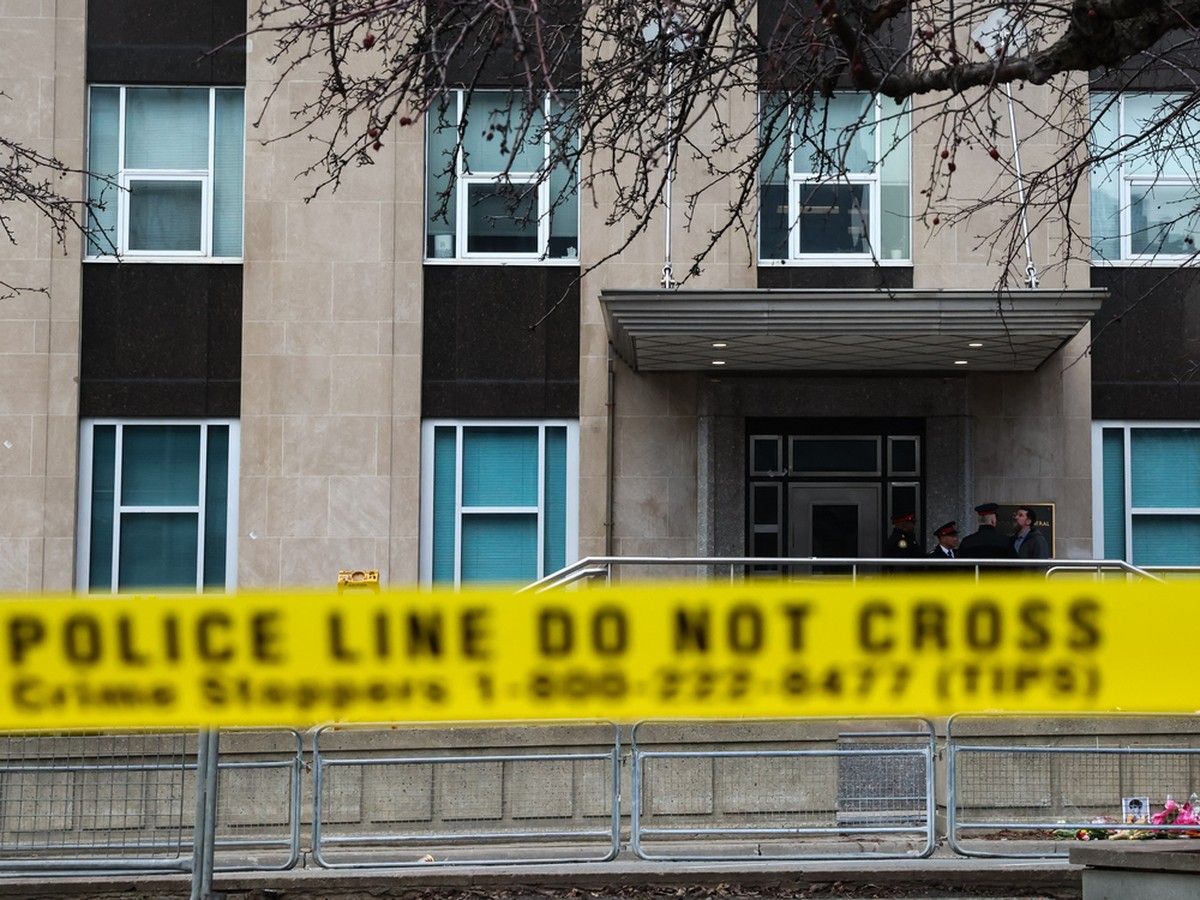
Toronto Police officers work around the scene of a shooting at the U.S. Consulate in Toronto on March 10, 2026. Police reported another incident of gunfire outside the University Avenue building on Monday, July 27.

Canada is confronting a level of organized hate, extremism and violent attacks that is testing the strength of our institutions and our ability to uphold the rule of law.

Twice this year, the U.S. Consulate in Toronto has come under gunfire . In between those attacks, synagogues, Jewish schools, neighbourhoods and even cemeteries were targeted. A recent federal government report found that 95.7 per cent of Jewish students on Canadian campuses experienced or witnessed antisemitism over the past year.

Toronto police Chief Myron Demkiw has described a guns-for-hire economy, in which young people are recruited through encrypted apps, paid as little as $600 to $1,000 to carry out attacks and asked to film the acts as proof of completion. These are organized networks exploiting weaknesses that cut across federal, provincial and municipal responsibilities.

Similar situations have arisen elsewhere in Canada, such as extortion related shootings in British Columbia targeting South Asian businesses and personal residences. The Bishnoi gang , designated a terrorist entity by Canada in 2025, has publicly claimed it has more than 1,000 members operating in Canada to intimidate citizens and the police. Police say these organized criminals are a mix of foreign nationals and Canadian citizens and are not one group or individual but multiple groups threatening public safety.

The Canada Border Services Agency (CBSA) has approximately 550 investigators responsible for roughly 33,000 outstanding deportation warrants. Organized crime has taken notice. To be clear, none of the individuals charged in the Toronto consulate or synagogue shootings are known to be immigration cases. But if organized criminal groups believe Canada’s enforcement capacity is overstretched, and that our laws on hate, extremism and violent attacks are too weak, it is reasonable to ask whether those same vulnerabilities can be exploited by extremist actors.

The federal government’s response, Bill C-9 , created new offences for intimidation at places of worship and schools. The Canada Community Security Program (CCSP) received an additional $75 million over five years, and the Ministerial Advisory Council on Rights, Equality and Inclusion was established in June. Although these are positive steps, they are not a strategy.

Months after police described antisemitism as systemic, and after repeated attacks on a foreign mission and the death of Toronto Police Service Constable Marc Pinizzotto , the Council’s first responsibility is to reassess the problem. Canadians should expect governments not only to reassess threats but to act decisively to reduce them.

This requires co-ordinated action across jurisdictions.

Federally, Ottawa should establish a national hate/extremism crime reporting system that follows cases from complaint to disposition. This would allow governments and the public to measure enforcement outcomes rather than just incident counts. The federal government should also strengthen oversight of charitable organizations with confirmed links to extremist activity and ensure digital platforms face meaningful consequences when they consistently facilitate organized hate and incitement. On top of that, a systematic overhaul of the Criminal Code and bail system is urgently needed.

Provincial governments have an equally important role. They should lead by strengthening Holocaust education and broader anti-racism/anti-hate instruction within K–12 curricula and require post-secondary institutions to enforce clear campus safety standards that distinguish lawful protest from intimidation and harassment. Hate speech is not free speech.

According to B’nai Brith Canada, across the country, a record 6,800 antisemitic incidents were recorded in 2025 alone, including assault, arson, vandalism, gunfire and more. Jewish schools, businesses, places of worship and entire neighbourhoods have been targeted, leaving many Jews to feel unsafe in their own homes and communities. So far in 2026, violent antisemitic incidents have more than doubled , with 27 recorded incidents compared with 10 in all of 2025.

Alberta’s own experience demonstrates why this matters. Following October 7, Calgary and Edmonton saw significant increases in antisemitic incidents. In 2025, the provincial government allocated $200,000 to the Jewish Federations of Edmonton and Calgary to fund educational programs, security and engagement with law enforcement across the province. Incidents in Alberta decreased from 916 in 2024 to 677 in 2025, and more work needs to be done. This is not simply a challenge facing Toronto or Montreal.

Municipally, governments should have the flexibility to establish narrowly tailored security perimeters around synagogues, schools, community centres and businesses that face credible threats. They should also have faster access to federal security infrastructure funding so that vulnerable institutions are not left carrying the financial burden of protecting themselves. Less siloed and more responsive and proactive municipal policing is also needed.

In a healthy democracy, public confidence should come from the actions of governments, not from citizens who feel compelled to fill a leadership vacuum.

History shows that democracies rarely weaken because of a single incident. They weaken when repeated attacks on targeted citizens, public institutions, diplomatic missions and religious communities are treated as disconnected events instead of symptoms of a broader problem.

Canada has ample evidence that organized hate and extremism are becoming more sophisticated and more co-ordinated. The question is no longer whether the challenge exists or if a reassessment is needed. It is whether governments at every level are prepared to respond with the degree of urgency, coordination and resolve needed. This will be the real test of Canada’s democratic resilience.

National Post

Gary Mar is president and CEO of the Canada West Foundation.


The Bald Range wildfire near Summerland, B.C., is seen on Aug. 16.

Amid another brutal stretch of hot, dry weather across Canada, the so-called cultural burning practices of North America’s Indigenous peoples are in vogue. In fact, they’re being inflated to the point of being celebrated as an ethnically exclusive competency, supposedly distinct from western science.

Parks Canada’s online resources say cultural burning must be Indigenous-led, “so as not to misappropriate cultural practices,” while claiming that prescribed fire — the deliberate use of fire for land management — is a “colonial adaptation of cultural burning practised by many different Indigenous groups in Canada.”

In British Columbia, a video embedded in the government’s “Cultural and prescribed fire” website describes the preservation of Indigenous cultural burning as “sacred,” placing it beyond ordinary scrutiny, skepticism or criticism.

As the interior of British Columbia burns and the province is placed under an official state of emergency, more than 20,000 people have been evacuated. The Bald Range inferno in the Okanagan has exceeded 24,000 hectares and has led to at least one death. On the other side of the country, Ontario is reporting over 100 active fires in the province.

Without a doubt, these fires are out of control. They reflect failures of land management, administration and logistics, and governments must bear a large share of the blame. Fires don’t need to be transformed into yet another morality play tied to reconciliation. That will not stamp out a single ember any more than invoking Poseidon will bring rain and restore blue skies.

We know that Indigenous communities have historically used low-intensity fires to maintain grasslands for grazing, corridors for travel and forests, among other purposes. The evidence of this is substantial and not in question, nor is the effectiveness of those methods in their particular contexts . But that is not uniquely Indigenous knowledge. It is a basic principle of fire management that’s understood and applied around the world.

Neither Indigenous nor western systems require traditional knowledge keepers or elders to understand that fires are driven by a combination of combustion, wind and fuel. Ancestry has no bearing on understanding how fires work, nor does any group have an exclusive claim over how to combat it.

Jennifer Grenz, an academic within the University of British Columbia’s department of forest resources management, recently argued that settlers brought colonial forestry practices that suppressed cultural fire, calling “the historic suppression of Indigenous stewardship and cultural burning practices” a “root cause” of today’s crisis. The argument falls apart as prescribed burning has continued all along, and was never uniquely Indigenous to begin with.

In truth, many cultures with no contact with each other until the last millennium developed very similar methods and technologies. Early European, Mesoamerican and Japanese societies practised controlled burning to prevent destructive fires and reinvigorate the land long ago, despite having no knowledge of one another. Calling the same physical process “cultural burning” when it’s led by First Nations rather than Japanese farmers does nothing to make the knowledge behind it exclusive or inaccessible to non-Indigenous people.

In B.C., the government says it has a “responsibility to address some of the barriers to cultural burning.” The obvious question is: what barriers? Regulations for burning are blind to ancestry, although under the Declaration on the Rights of Indigenous Peoples Act, B.C. must now “co-develop a policy and program framework for cultural and prescribed fire” that aligns with the United Nations declaration.

While many confuse cultural burning with firefighting, the former is an act of preventive land management, while the latter requires detection, centralized command and specialized aircraft. Canada has a long history of dealing with wildfires, as remote as that capacity may seem today.

It should go without saying that pre-contact societies had no helicopters, air tankers, infrared scanning or modern incident command systems, as followed by Canada . Those capabilities were developed through engineering, science and experience, not ethnicity. Canada has built considerable expertise in this field, including Canadian-designed firefighting aircraft now purchased for use around the world.

For years, B.C. has measured the effectiveness of its initial attack crews by the proportion of wildfires contained, regularly achieving rates above 90 per cent. That record was built through a military-style command structure that co-ordinated aerial reconnaissance, tactical fuel removal, water-bomber drops and the Canadian Forest Fire Danger Rating System . This made large escapes uncommon under ordinary summer conditions. All of that is an example of technical capacity, not romantic pseudo-folklore.

There were problems with that system, but those problems do not invalidate its successes. A Senate report on wildfire management released earlier this year called for a federal co-ordinating office, along with a fleet of dedicated aircraft, drones and national hazard mapping. That is a better start than deferring to ancient claims. There are lessons to be learned from Indigenous land management, but the notion that “colonial” practices are therefore invalid is nonsense.

Knowledge is validated by outcomes, not by someone’s personal background.

National Post

Warren Mirko is executive director of the Public Land Use Society.


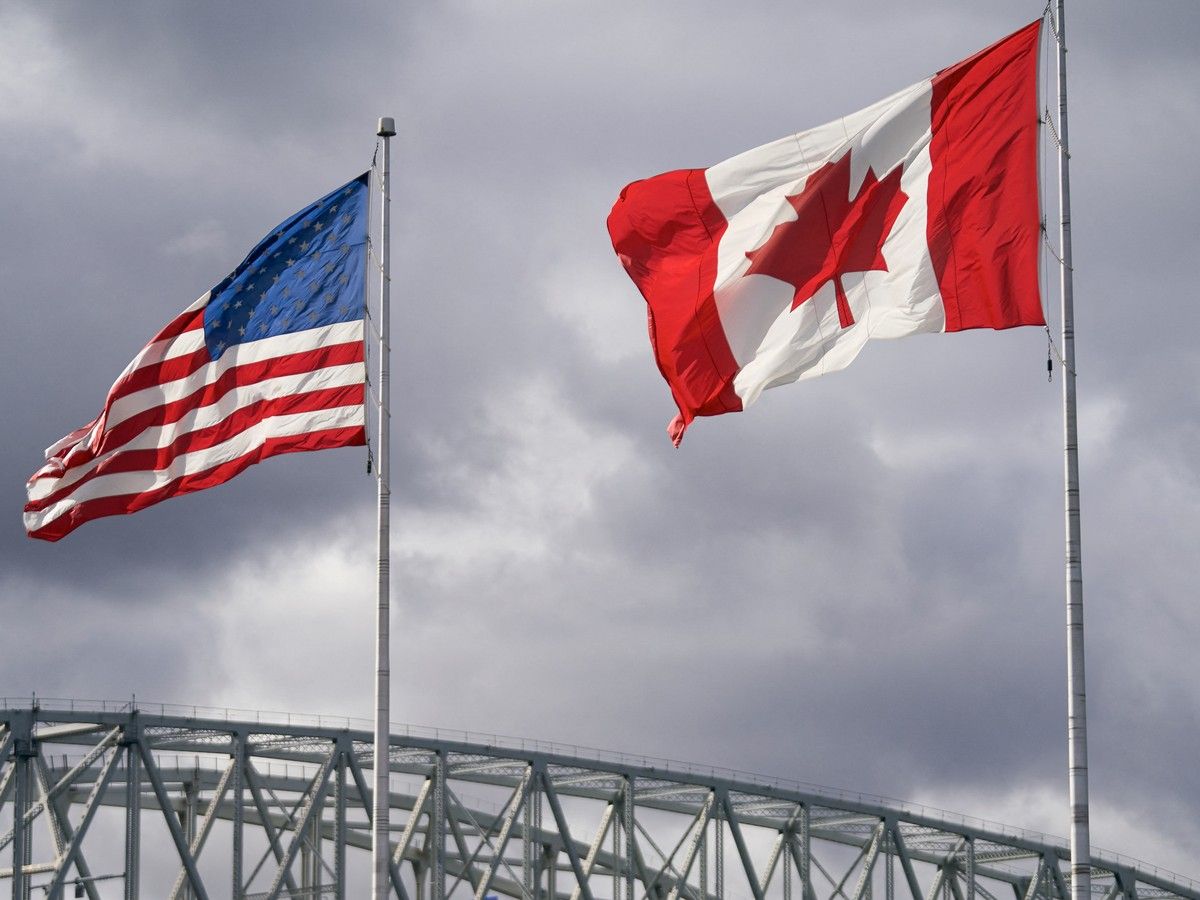
The U.S. and Canadian flags on a border crossing bridge. Negotiations between the neighbouring countries broke down on Friday. This content is reserved for subscribers.
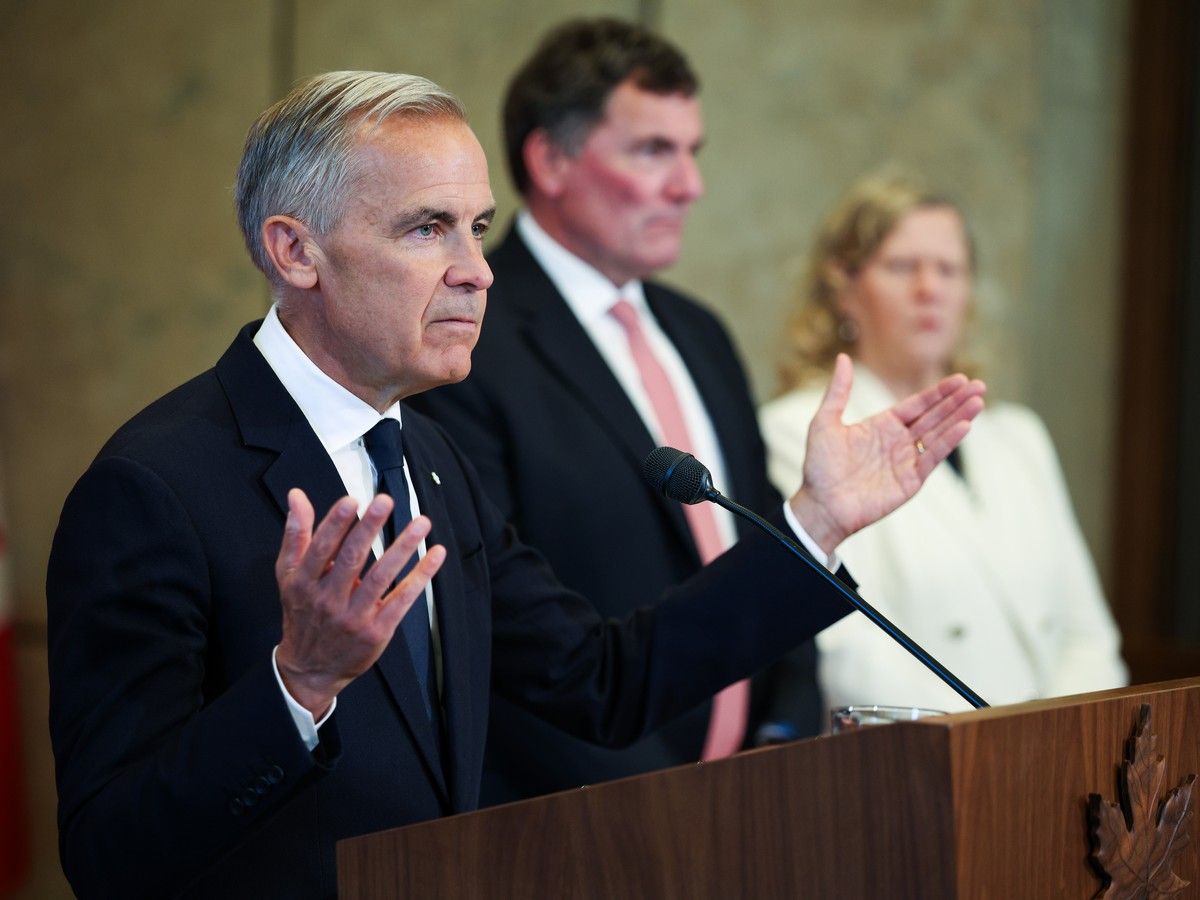
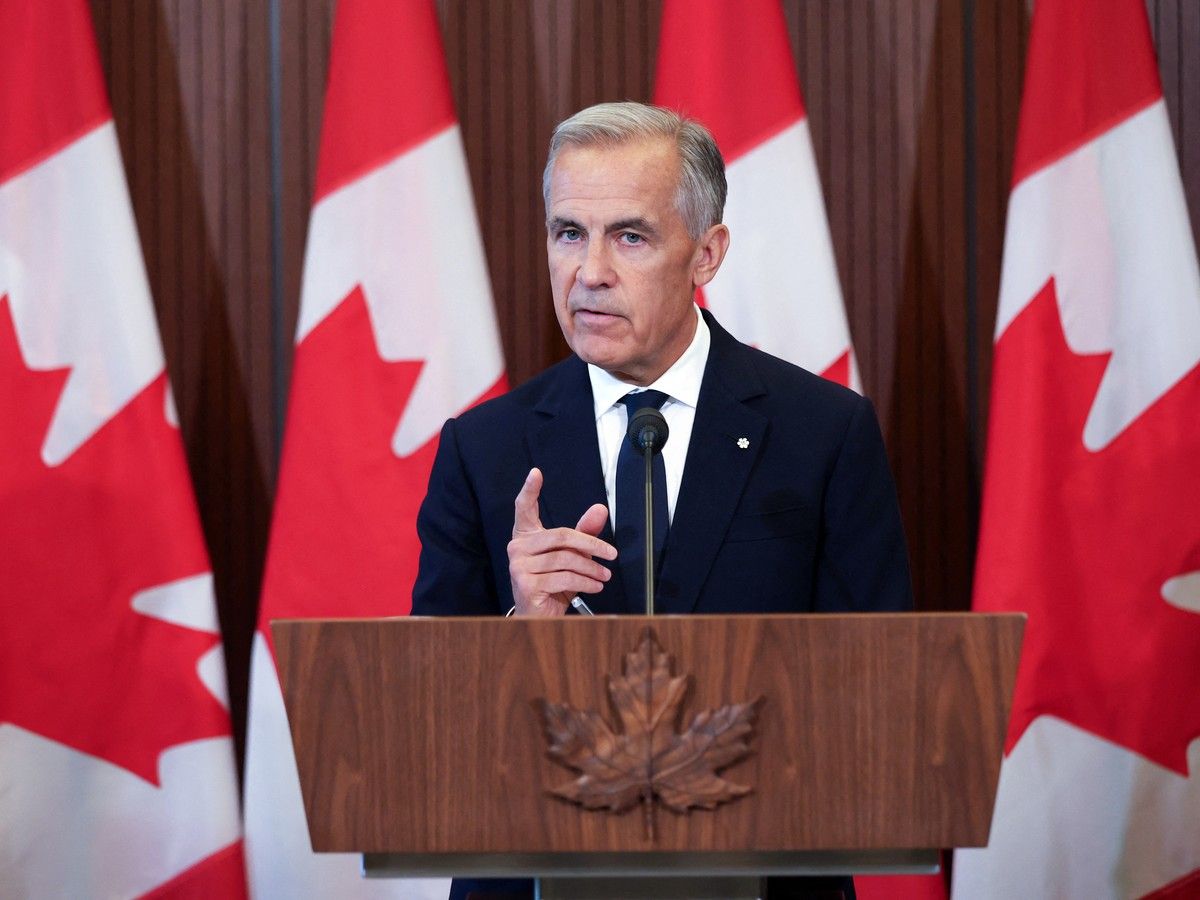

Prime Minister Mark Carney speaks during a press conference addressing the trade situation with United States in Ottawa on Saturday, Aug. 22, 2026.

Prime Minister Mark Carney always said he would walk away from a bad deal and has now done so.

But as the prime minister urges us to rally round the flag — again — he also needs to give Canadians full details as to why the trade talks with the United States collapsed.

The Liberal government is pointing out that it was U.S. demands that led to the collapse of the latest round of trade talks. It may well be that it was the uncompromising American president and his negotiators who brought us to this point where we are about to engage in potentially catastrophic tit-for-tat tariffs.

But how exactly did we get here and why? How is it that Carney suspended trade talks after reports that we were close to a deal? It is not enough to point fingers. What Canadians need are the full details of what was being offered and why it was rejected.

In a late statement Friday night, the prime minister addressed none of those concerns.

“Canada has what the world wants. And we will not allow any nation to determine our future. We will set our own course to keep building Canada strong for all,” said the prime minister in his statement .

In a press conference Saturday, he repeatedly made the same refrain.

“We can’t control the storm that blows in from Washington,” he said in his introductory remarks. “We can, however, chart a new course by building Canada strong at home and diversifying our trading relationships abroad.

“We are masters in our own home and an excellent partner abroad.”

He later said, “Canadians will always take care of each other. We know we’re stronger together. In the last year and a half, Canadians have met this moment with resolve, with purpose, with strength.”

So here we are, back in Elbows Up territory. At least one good thing to come out of this trade war is that it will unite a majority of the country.

In his statement and his press conference, Carney said he decided to walk away from the trade negotiations because of unrealistic demands by the Americans.

“There were some things we wouldn’t do. We were not prepared to compromise Canada’s sovereignty or to undermine our key industries. We were not prepared to accept any compromise on our sovereignty, protection of the French language and our culture,” he said.

When pressed on specifics, Carney gave a few examples of friction between negotiators.

One was the auto sector. Earlier this week, the CBC reported that the U.S. was considering reducing auto tariffs down from 25 per cent to 15 per cent. But Carney said the U.S. wanted to limit the level of tariffs to cars only and exclude medium and heavy autos and light trucks. This would have made Canadian production “uneconomic,” he said.

Another major sticking point, said Carney, was the U.S. introducing at the last minute language that would have restricted Canada’s ability to make trade deals with other countries.

That was simply “unacceptable,” said the prime minister.

A third example, said Carney, was that the U.S. made “efforts to restrict our protections of our language, our culture, and in effect, our sovereignty.” The prime minister did not clarify what those efforts were or provide specifics details.

“In short, they asked too much and they offered too little,” said Carney.

Not surprisingly, the U.S. blamed Canada for the collapse of the talks.

The New York Times quoted U.S. Trade Representative Jamieson Greer as saying, “Tonight, Canada declined to finalize the trade deal under the terms agreed earlier this week, despite the U.S. offer to Canada to receive the best treatment of any major exporter to our market.

“New demands and walk backs of other commitments by Canada have upended the careful balance reached in the past days.”

Carney can expect that the majority of Canadians will be fully supportive of his decision to walk away if America was negotiating in bad faith or simply trying to bully us into a bad deal.

But it is Canadian workers who will bear the brunt of this decision and transparency demands the government release full details of the negotiations, the offers and counter offers, the last minute demands, as well as what we were prepared to concede and not.

Trump’s 50 per cent tariffs could lead to up to 90,000 job losses, predicted University of Calgary economics professor Trevor Tombe this week. But with Canada pledging to impose retaliatory tariffs on a dollar-for-dollar basis, the economic fallout will worsen, he tweeted on Saturday after the deal collapsed.

Meanwhile, Dan Kelly, president of the Canadian Federation of Independent Business, said in a statement , “The impact on small businesses will be immediate and significant.”

Canadians who are going to suffer the consequences have a right to know just how bad of a deal was on the table.

National Post


Canadian Prime Minister Mark Carney speaks at a press conference in Ottawa, Ontario, on August 22, 2026 after trade talks with the US collapsed.

If you need to blame Prime Minister Mark Carney for anything, be it for overpromising on his ability to get anything resembling an acceptable “deal” with U.S. President Donald Trump on trade, but his decision to walk away from negotiations Friday, based on what we know, was the right thing to do.

Leaked details of the tentative agreement that was reached earlier this week were bad enough. Apparently, according to media reports, Canada was conceding to permanent unilateral tariffs from the Americans on steel and autos, albeit at lower rates, while this country was expected to lift all tariffs, and make several non-trade concessions. These included scuppering digital legislation, a promise to complete the F-35 purchase and altering Canada’s supply management regime. Whatever one thinks of those policies, whether they are good or bad, they should be the purview of Ottawa, not Washington.

The fact that Canada was expected to make all these concessions while American tariffs remained in place is ludicrous. Not to mention that this little side deal already contravenes the existing Canada U.S. Mexico Agreement, which is somehow supposed to be renegotiated at some point.

Now we know that the deal on the table was evidently worse or became worse, than even all that. The Americans, according to Carney on Saturday morning, wanted to not only keep some tariffs on the auto sector, they wanted to exclude medium and heavy duty trucks from the deal altogether. Most galling of all, again, assuming the prime minister’s characterization of events is accurate, is that the U.S. wanted to restrict Canada’s ability to sign trade deals with other countries.

In other words, the plan was to turn Canada into a Western version of Belarus, where it is nominally independent but controlled from a foreign capital. Incidentally, what the Americans seem to want Canada to give up is not much different from what would have to be conceded if we joined the European Union, where Ottawa would also be prevented from signing independent trade deals and expected to align its regulatory regime with other members.

So walking away from negotiations, even if it leads to a protracted trade war, was the right thing to do. It may have been the most important moment for Canadian sovereignty in generations, and much credit to the prime minister for having the nerve to stand up.

That said, the fact the Liberals benefit politically from conflict with Trump is notable, but eventually Carney will have to account for any prolonged economic pain that might result from this.

The larger challenge now is reversing decisions taken in Canada over decades that have made it uniquely vulnerable to the treatment it is currently facing from Trump. Living next to the most powerful and richest nation in history, which was somehow uniquely benign, and, until now, largely friendly, allowed successive politicians the luxury to delude themselves into thinking Canada was morally superior. The U.S. spends money on the military and is the home of ravenous capitalism, while Canada is a nation of health care, peacekeepers and multiculturalism.

This country’s entire national mythos since the 1960s has only been possible because the Americans had not been a genuine military threat since at least the Civil War, and possibly not since the War of 1812.

Additionally, given how wealthy the U.S. is, there has never been much pressure on Canada to ensure it is a business friendly country. No matter what happens, the massive market to the south allows us to have a minimum standard of living almost by osmosis. When twinned with the fact that Canada’s inherent French-English divide absorbs unending federal resources, you have the makings of an unserious country unconcerned with national defence and generating wealth and opportunity for citizens.

So, instead of permitting competition and foreign investment, Canada protects cartels, often for regional political reasons, in banking, airlines, telecommunications and agriculture.

Instead of leaning into Canada’s comparative advantage in critical minerals and oil and gas, those industries are strangled with endless taxation and regulation that can only be described as predatory.

The auto manufacturing and dairy industries are never given the opportunity to mature so they can compete internationally. Instead, they are propped up and protected with subsidies and quotas. It is unsurprising that these are the sectors that create the most tension in trade talks.

If this wasn’t the reality of Canada, if Ottawa leaned more into its role as guarantor of national security and defence, and less into micromanaging all aspects of the economy, these periodic American shifts into protectionism would be a challenge, but hardly existential. Canada is a on the backfoot, but it was never inevitable that this would be where we landed.

It is up to Carney to ensure this isn’t where Canada stays.

National Post


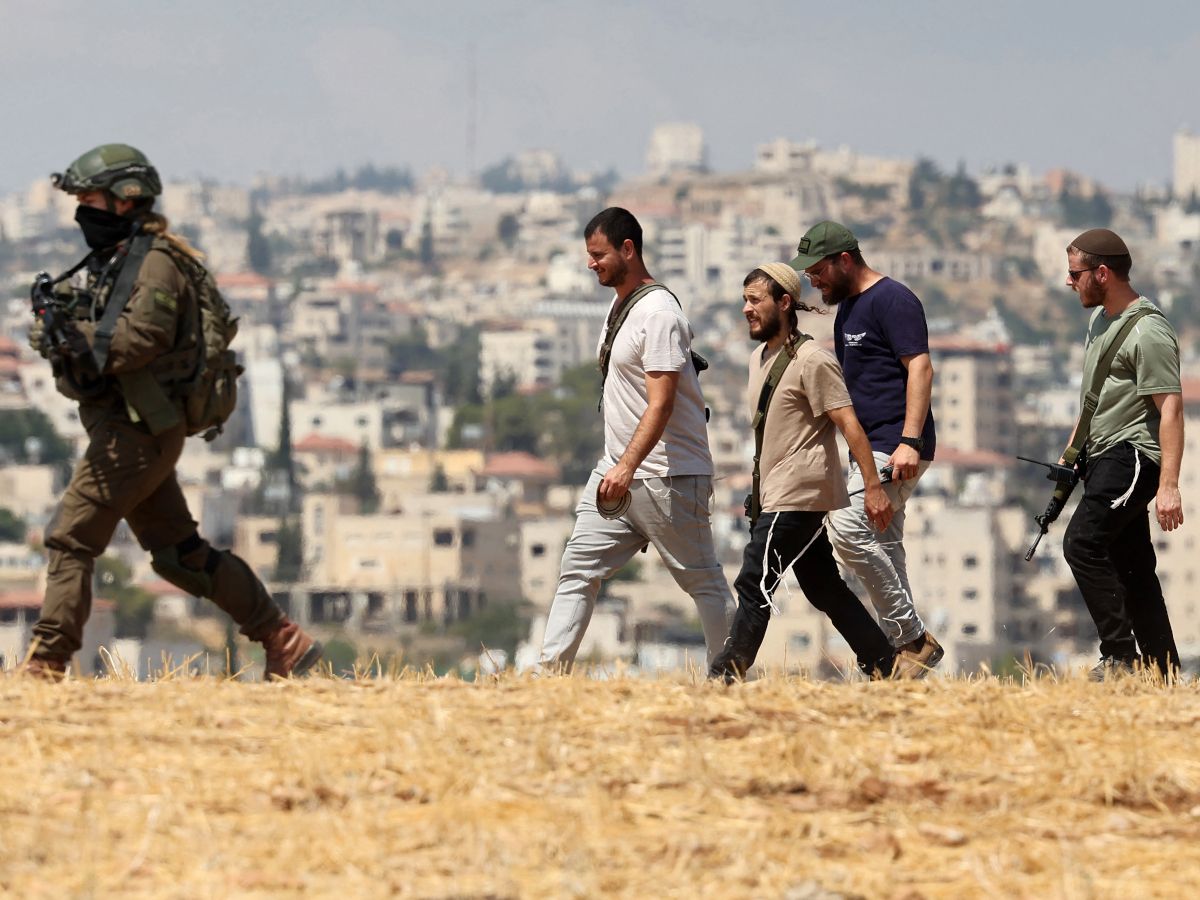
An Israeli soldier walks past settlers in Beit Sahur, in the West Bank, on Aug. 14.

The aftermath of the Hamas massacre of October 2023 has reshaped the Middle East, including the current Iran war and its assorted consequences. One aspect of the new reality that has received relatively less attention is the rise of settler violence in the West Bank. It is a moral crisis for Israel, one in which the current leadership is the problem, not the solution. Former Israeli leaders are trying to correct that.

The phenomenon of Jewish settlers in the West Bank resorting to violence earned swift condemnation from Prime Minister Benjamin Netanyahu and his government last year, after they set an Israel Defence Forces security facility on fire .

Yet when violence, intimidation and harassment is directed at Palestinians in the West Bank, Netanyahu’s government is quick to downplay it.

Jewish “terrorism” against Muslim and Christian Palestinians is a strong term. Yet it was repeatedly used by two former Israeli prime ministers and dozens of high-ranking former IDF and security officials in a June letter to Netanyahu, professing their shame at what extremist Israelis are doing in the West Bank.

Armed settlers are, often with impunity, terrorizing Palestinians villages, setting their houses and property on fire, uprooting olive trees, destroying crops, stealing livestock and visiting violence upon Palestinians themselves. It is a campaign aimed at preventing a future Palestinian state and making life so dangerous that Palestinians in the West Bank might simply leave.

The extremists are a moral blight on all Jews who live in the West Bank and, because they are tolerated, if not supported, by the Netanyahu government, they have stained the reputation of the entire country.

That is a grievous failure of the Netanyahu government in the analysis of the signatories of the June letter. I have spent decades advocating for both Israel and Jews, and it is distressing that Israel now faces an urgent moral threat from its own government. That is the considered judgment of senior officials who have devoted their professional lives to Israeli sovereignty and security.

The June letter got less attention than it deserved. It was not released publicly in its entirely, but leaks were reported upon by Haaretz and the Guardian newspapers. It was also overshadowed in June by the Trump administration’s memorandum of understanding with Iran, the failed attempt to salvage the status quo ante of the Iran war, namely free passage through the Strait of Hormuz.

The June letter was sent confidentially to Netanyahu and other senior government and security officials and its leaked contents were reported on June 18.

The Guardian reported that signatories included two former prime ministers, Ehud Olmert and Ehud Barak, four former ministers whose portfolios included defence and justice, and more than 30 former security commanders including two chiefs of staff of Israel’s military and heads of the Mossad, Shin Bet and the police.

The signatories accused the Netanyahu government, which includes the most hateful elements of right-wing extremism, of supporting a campaign of terror to achieve “ethnic cleansing” and “annexation” of the West Bank. The language is unsparing.

“This is not solely a military and police failure, but the implementation of an overt policy by the Israeli government and its prime minister in general, and by the relevant ministers in particular,” the letter said, accusing them of ordering “the military, the police and Shin Bet (the internal security agency) to enable the terrorism of Jewish criminals, because this horrendous phenomenon serves well the current government’s ideology of carrying out ‘ethnic cleansing’ in the territories of Judea and Samaria to facilitate their future annexation.”

That such prominent Israelis, whose commitment to Israel is beyond question, would condemn the Jewish violence in their midst is a sign that these settlers are not the true face of Israel. But they are one of the masks that the Netanyahu government is content to wear to preserve its electoral coalition.

The June letter threatened legal action if the Netanyahu government did not act against the violent settlers, though it is not clear what those actions would specifically be. Yet with an election coming in two months in Israel, it is also an invitation to voters to reject this government.

National Post


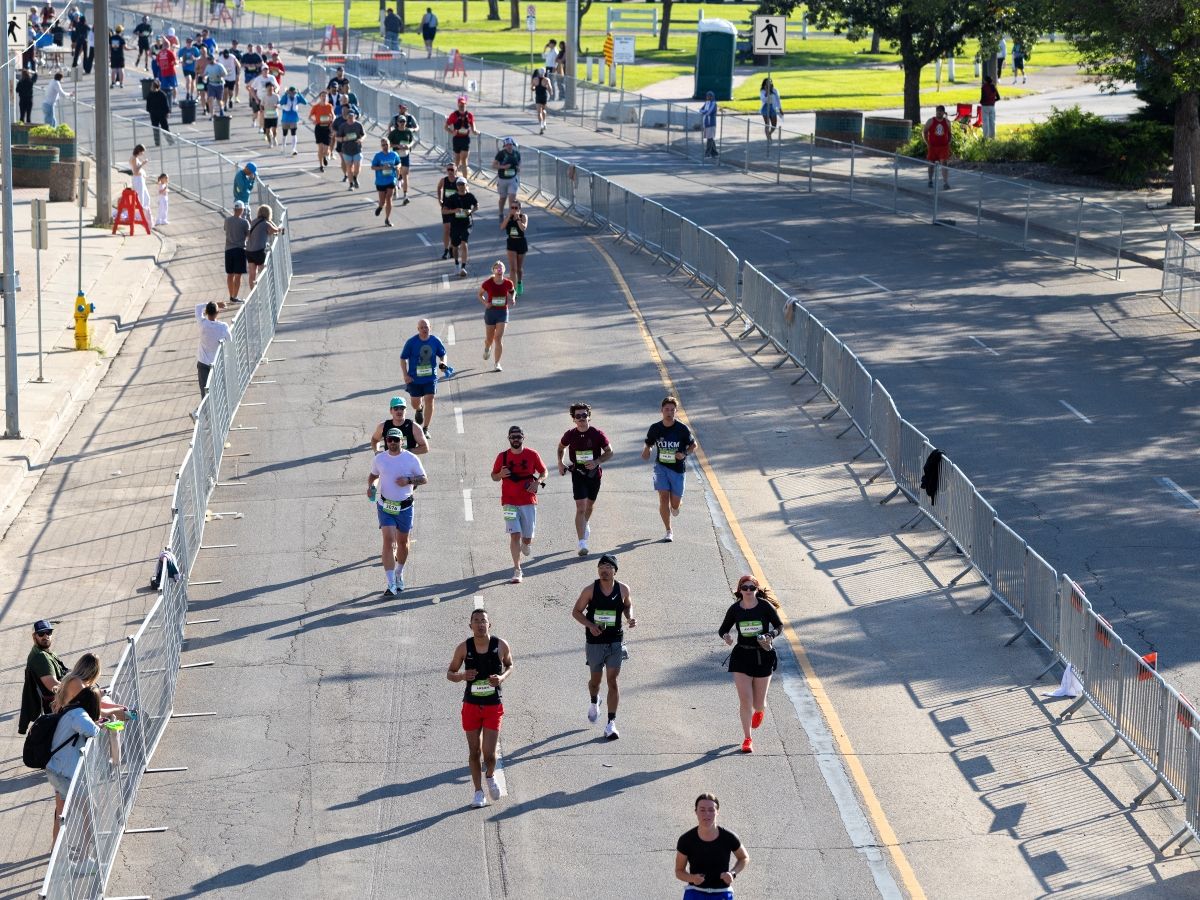
Runners take part in the 35th Edmonton Marathon, Sunday, Aug. 16, 2026.

Edmonton, as occasionally happens , became a laughingstock of the world last week . Normally I would pause here to flip a coin and decide whether to defend or prosecute, but I’m afraid this is a hopeless case. On Sunday the city closed Jasper Avenue and other important streets — roads already badly strangled by ill-planned summertime construction — for the annual Edmonton Marathon . The event is an important late-season opportunity for ambitious runners to record qualifying times for major international events, particularly the springtime Boston Marathon, and it incorporated a half-marathon that doubled as the Canadian national championship for that distance. What could go wrong?

The answer is “math.” Ain’t it always? As soon as the race was over, elite competitors began complaining that the course definitely seemed a touch too long given their race time and effort. Experienced local observers noticed that top times were, indeed, unexpectedly slow. Dozens of amateurs with GPS-equipped watches echoed those complaints, showing that their devices indicated both the full race distance and the half-marathon course to be anywhere from a half-kilometre to a kilometre too long. Some people who didn’t even run the race turned to Google Maps, plotted the half-marathon course, and found that it seemed to be about 700 metres longer than the correct 21.1 km.

The immediate response from the race organizers and Athletics Canada amounted to “Don’t you imbeciles think we measure the course? Of course we measure the course! Our course measurer is one of the best course measurers there is!” Etc., etc. But Rory Linkletter, a Calgarian who had just won the men’s half-marathon, refused to be gaslit. As Linkletter argued on social media , it was easy to see what had gone wrong if you had run in the 2025 version of the Edmonton half. ( He had won that one too .)

Nobody hitherto writing about this has bothered to exhibit or link to the actual map of the course , so it’s the least we can do for readers who have been wondering whether some non-Euclidian quirk of Edmontonian geography is involved. The issue is that participants in the half-marathon, which goes from the Convention Centre around a bend of the North Saskatchewan River and doubles back, would normally run straight across the old Wellington Bridge on 102 Ave. (On the map that’s the northernmost part of the route.)

That bridge, which crosses a big ravine, is now about halfway through demolition and replacement. So in this year’s race there was a new detour through the posh Glenora neighbourhood, adding — by Linkletter’s math — an extra 680 or so metres to the course.

The organizers’ correction for this was simple. The course for the half-marathon went from point A (the Convention Centre) to point B (a suitable spot in the western river valley) and back to A. (Competitors in the full marathon then continued eastward to C, in the east, and again back to A.) So they scooched the 2025 turnaround point B backward so that it was about 330 or 340 metres closer to point A, saving runners the 680 or so extra metres imposed by the detour.

And they just plain forgot that those runners would be taking the detour again on the way back .

Within hours of being shamed by the winner of their own race, organizers were forced to issue an “updated statement” withdrawing claims that critics were all mistaken or insane and confessing that the race distance had in fact been 674.4 metres too long . (The meticulous inclusion of that extra 40 centimetres is a nice touch, ain’t it.) Unfortunately, the update is arguably uglier than the original denials, which, race director Tom Keogh says, were “issued with the best information” available at the time. A “detailed review” apparently arrived at the same findings others reached by glancing at Google Maps. “The event owns this error, and we take full responsibility,” Keogh added, not at all suggesting that anyone might have to step aside from a job.

The Updated Statement says that Athletics Canada and Keogh are trying to figure out how results of the mismeasured marathon “can be recognized,” but the association that runs the Boston Marathon has already announced that they can’t be and won’t be . Plenty of competitors lost chances at personal bests or even national records, having been told in the meantime that their GPS watches and their brains must have been on the fritz . Corporate sponsors of the race must be wondering at least a little about public confidence in their own accounting. Some runners are muttering that they will think twice before returning to Edmonton, despite the attractive course and the friendly volunteers. Others, as a balm to their injured spirits and tissues, are congratulating each other on accidentally becoming ultramarathoners .

National Post


Ahead of federal byelection in Quebec, the Conservative party is pitching higher OAS payments.

They must have thought English speakers across the rest of Canada would never notice the slogan. On the podium sign at a Conservative campaign event in Quebec ahead of the upcoming federal Chicoutimi-Le Fjord byelection, it read: “Plus d’argent pour nos aînés.” More money for our seniors.

The same seniors who are currently, by far, Canada’s wealthiest demographic and also, by far, the federal budget’s single largest line item. Seniors benefits represent approximately one in five federal dollars spent each year, beating out spending on housing, national defense, and even health care.

The campaign sign may as well read, “more money for the rich.”

By nature, slogans are short, pointed, and will never convey the full context or depth of a party’s policy proposals. However, this wasn’t a case of bad comms or missing details. Rather, the details behind the sign are only more confounding and infuriating.

The CPC isn’t proposing to shift more spending to seniors living in poverty, who do need more support as cost-of-living continues to soar. They want to funnel more taxpayer dollars to all seniors, not based on need, and regardless of wealth. And they want to do it twice!

They both resurfaced an ill-advised 2025 election promise to remove federal income taxes for seniors on the first $34,000 they earn, and also now pledge to increase Old Age Security (OAS) for seniors ages 65 to 74.

To say this is a slap in the face to younger generations, who are by far bearing the brunt of the housing crisis, elevated inflation, historically high unemployment, and outdated tax brackets that treat today’s middle-class earners as though they were luxuriously wealthy, is a gross understatement.

How bleak is the economic situation for millennials and Gen Z? So bad that many feel they can’t afford to have the kids they would otherwise desperately want , a major driver behind Canada’s ultra-low fertility rate. The notion of taking more money from the nation’s young and transferring it to older generations should be so far outside the Overton window you can’t even glimpse its silhouette.

In fairness, the CPC proposal to increase the tax-free income threshold is actually a good idea — if they weren’t gatekeeping the change to seniors at the expense of struggling younger workers. But, instead of ensuring everyone keeps more of their paycheque, this policy instead uses younger workers’ tax dollars to subsidize tax cuts for seniors regardless of their wealth or income level.

Yet it’s their promise to boost OAS that’s the most egregious from just about every angle you examine it from — generational equity, class equity, and fiscal responsibility. OAS currently accounts for one in six federal dollars spent each year, totalling between $81 and $89 billion annually and is projected to surpass $100 billion annually by 2030.

OAS isn’t funded like a pension that’s invested through individual worker or employer contributions. It has no connection at all to employment history. Rather, it’s paid out using general tax revenues, transferring wealth from younger workers to older seniors, with laughable means testing that only begins for individuals at incomes of $90,997 a year. Couples aged 65 to 74 who earn up to $181,994 annually can receive full OAS payments, and couples over 75 who make up to $308,392 annually can do the same. Asset wealth plays no role.

In comparison, the Canada Childcare Benefit limits payments by using family income rather than individual income to calculate benefits, and additionally begins means testing once that income exceeds a mere $37,487 — ironically just above the income amount Conservatives would like to tax exempt for seniors.

At a bare minimum, eligibility for both programs should be standardized. However, just about every economist and policy expert under the sun agrees OAS needs to be clawed back for higher income earners, not inexplicably increased.

It’s not just about generational fairness. For every tax dollar taken from younger workers and gifted to seniors who are already financially comfortable, there are additional costs paid by the entire country when it comes to productivity, entrepreneurship, the population replacement rate, and overall economic growth, which by extension limits quality of life.

Moreover, we literally can’t afford the luxury. Canada’s federal and provincial debt is expected to hit $2.9 trillion by the end of this year. The federal government’s Spring Economic Update estimated the 2025-2026 fiscal year that recently ended at $67 billion. Spending beyond our means again burdening younger and future generations with paying off massive debts incurred today.

OAS is the biggest source of new federal spending growth behind ballooning deficits and debt. It isn’t the “good” type of debt either— it’s not an investment in needed infrastructure or economic opportunity. It’s purely discretionary spending, funneled to a cohort that largely doesn’t need it, against any reasonable definition of discretion.

Canada desperately needs bold tax and benefits reforms, but the ones presented by Conservatives this week have lost the plot so entirely the page may as well be blank.

National Post