
LP_468x60
on-the-record-468x60-white

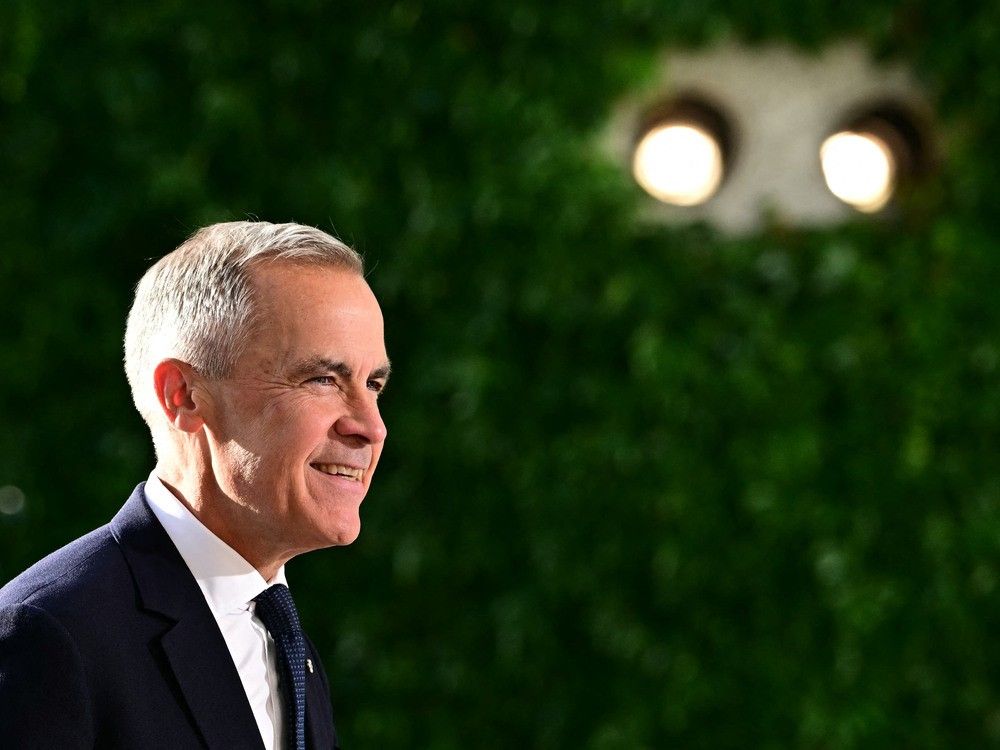
Health Minister Marjorie Michel poses for a portrait on Parliament Hill in Ottawa on Thursday, May 29, 2025.

MONTREAL – Marjorie Michel never wanted to run for office. She didn’t want to come out of the shadows, she said.

To most Canadians, she’s a complete unknown. In Montreal, though,

she just replaced Justin Trudeau as the MP for Papineau

. And in Ottawa, she was recently appointed as minister of health. Yet since the April 28 election, she has remained almost invisible, trying to acclimate to a life she knows well, but never imagined for herself.

Behind the scenes, Michel is praised for being “direct,” serious, organized, calm, pragmatic and “blunt.” And in Montreal’s Haitian community and in Quebec’s Liberal circles, she’s known as a heavyweight, and called a “pioneer.” Several people spoken to for this story referred to her as the “godmother” of the Liberal Party in Quebec.

Before 2025, Michel was deputy chief of staff and close adviser to former prime minister Justin Trudeau. Being a politician, the public face of the government, has required some adjustment.

 To most Canadians, she’s a complete unknown. In Montreal, though, Marjorie Michel replaced Justin Trudeau as the MP for Papineau. Pictured, Michel with a note from Trudeau.

“When you are a staffer, you’re there to advise, you’re there to protect, but you’re not there to make decisions, either. So, you often have to live with advice you’ve given that isn’t taken,” she tells National Post, in French.

But it’s a life she grew up with. She’s the daughter of a former prime minister of Haiti: Smarck Michel held the post for a year from 1994 to 1995, appointed by the country’s first democratically elected president, Jean-Bertrand Aristide when Aristide returned to power after being deposed by a coup d’état.

Marjorie Michel had worked in Haitian politics, too. But the political instability and the country’s inability to embrace a peaceful democracy became too much. In even their upscale Port-au-Prince neighbourhood, kidnappings were common.

“It was a very tense situation because there were kidnappings of people we knew,” said Marjorie Michel’s daughter, Maxim Kernisant. “So, it was very, very anxiety-provoking. And I know that my sister was also having panic attacks; she didn’t want to go to school anymore. It had really become unbearable.”

‘Happy coincidence’ or master plan: How Carney’s team full of Quebecers wants to govern Canada

One morning, in 1999, Marjorie Michel told her two daughters they wouldn’t be going to school. That’s when she decided to leave Haiti.

They settled in Montreal in 2000. She lived alone with her two daughters in a tiny apartment in the Outremont neighbourhood, with a limited salary, and a teenager attending a French private school in the city. Money was tight, but education and security were Michel’s priorities for her family.

After a year, two of Maxim’s cousins moved in with them. And Michel was left raising four children aged between five and 12 all by herself.

“She was truly the rock of the family. The person you could always count on, and whenever you needed guidance or information, she was the one,” said Kernisant.

Politics never left Michel. She dived into the provincial scene for several years with the Quebec Liberal party as an organizer and an advisor to MNA Emmanuel Dubourg, who was also born in Haiti. He would eventually move to Ottawa, where he was the Liberal MP for Bourassa from 2013 to 2025. Eventually the two of them ended up as a couple and got married.

 Gregor Robertson, left to right, Rebecca Alty, Tim Hodgson, Marjorie Michel arrive for a cabinet swearing-in at Rideau Hall in Ottawa on Tuesday, May 13, 2025.

Just like Dubourg, Michel found her way into the federal Liberal party. In 2019 she became chief of staff to then president of the Treasury Board Jean-Yves Duclos. She was made deputy chief of staff to Trudeau in 2021.

In 2024, Michel was briefly the federal Liberal party’s deputy campaign director, but soon left that role. Andrew Bevan, who was campaign director, describes her as a “confident and expressive” woman who makes sure you know she is in the room.

“She takes up space in that room, making clear that people know what her point of view is, and making clear what she thinks of the situation at hand,” he said.

When National Post first met Michel at a public event in June, she quickly admitted she wasn’t a very media-savvy politician. But she said her staff encourages her to make public appearances and to accept interview requests. It’s clearly not her favourite part of the job.

But she agreed to sit for one in her constituency office in Montreal, a beige office in a nondescript office building. The name on the door still reads “The Right Honourable Justin Trudeau, MP Papineau”. There’s a wooden gate; evidently some kind of security barrier into the office.

Finance minister directs cabinet colleagues to find billions in spending cuts

“I don’t know why we have that,” said Michel.

“We had a prime minister as an MP here before. Things are, I guess, different,” suggested one of her aides.

In her office, she shows off a note on Trudeau’s stationery, signed by the former prime minister. “Congratulations my dear friend! You have the best riding in the country,” reads the note in French. Trudeau left it after she won the riding with 53 per cent of the vote in April.

For years, Liberal insiders had urged Michel to run. She preferred to stay behind the scenes, finding candidates and organizing on the ground.

She believed in what Trudeau was doing. After the Liberal party began collapsing and lost a 2024 byelection in its long-held riding of LaSalle—Émard—Verdun (which she said she fully expected) she said she promised Trudeau she would fight to the end to preserve his legacy.

She offered to recruit candidates and, if necessary, run herself, anywhere, even in an unwinnable riding.

After Trudeau resigned and now Prime Minister Mark Carney was installed as Liberal leader, Trudeau summoned her to his office in downtown Ottawa, across from Parliament Hill.

 Walking past federal election posters of Marjorie Michel of the Liberals and generic poster of the Bloc leader Yves-Francois Blanchet in the ridding of Papineau on Tuesday March 25, 2025.

“I want you to run in Papineau,” he said.

She said she told him that was out of the question. She did not want to be elected. Her husband had already decided to leave politics and she wanted to join him living in Montreal.

Trudeau told her to think about it. Then, Carney’s close advisers pushed her to do it. So she made the leap.

Carney would soon make her Canada’s first-ever Haitian-born cabinet minister.

“You have to be there when it’s difficult, and I think I’m strong enough to be there when it’s difficult,” she said. “Then there were the questions that I was a woman, and also that I was a racialized woman. At one point there were a lot of men who were running. So, I said to myself, well, if I accept, it’s going to be a seat for a woman,” she said.

Now her priority, she says, is to be a good MP for her constituents first, and to manage the Department of Health calmly — but firmly.

As minister, mental health was one of her top priorities, she said. Canadians are anxious, she explained, mostly because of the difficult relationship between Canada and the United States. She wants to help the prime minister weather the storm and “reduce the level of anxiety” in the country.

 Minister of Health Marjorie Michel rises during question period on Parliament Hill in Ottawa on Monday, June 2, 2025.

With the Liberals in a minority government, she doesn’t know how long she’ll be in the House of Commons.

“If we had won a majority, I would have run once and then prepared the next generation. Now, I don’t know. We’ll see,” she said.

National Post

atrepanier@postmedia.com

Our website is the place for the latest breaking news, exclusive scoops, longreads and provocative commentary. Please bookmark nationalpost.com and sign up for our politics newsletter, First Reading, here.


Olivia Collins of London enjoys a run this week through Greenway Park in London under smoky skies due to the far-away wildfires.

Wildfires are becoming more common in Canada and that means more smoke and air quality warnings. Here’s what you need to know about air quality to better understand how it could impact your health and outdoor activities.

What is the Air Quality Health Index?

In Canada, the

Air Quality Health Index (AQHI)

is a scale developed to help people understand what the current air quality means for your health. It is an initiative

among

Environment Canada, Health Canada and the provincial governments.

“When we look at the AQHI, it’s really an indication of the impact of the air quality on our health,” said Dr. Samantha Green, a family physician at Unity Health Toronto.

The index takes into consideration

three pollutants to determine

the air quality. First, ground-level ozone, which is formed by photo-chemical reactions in the atmosphere. Second, particulate matter, which can be emitted by vehicles, industries and forest fires, forming a mix of particles that we can inhale. Finally, nitrogen dioxide comes from vehicle emissions and power plants that rely on fossil fuels, and this can normally be found near high-traffic roads. Those three pollutant levels contribute to how good or bad the air quality is in a certain area.

How do we know when the air quality is good or bad?

“The AQHI is measured in different air monitoring stations, and can provide a very accurate measurement in real time of the air quality in a particular location and it can guide us in making decisions about spending time outdoors and activity levels,” said Green.

The bigger the number, the higher risk it has to your health.

When the AQHI is low (1-3) or moderate (4-6), outdoor activities can continue as normal, and should only be modified if the person feels symptoms like coughing, for example. When the levels get a bit higher, between 7 and 10, it is advised to reconsider strenuous outdoor activities if you’re already experiencing symptoms. Whenever the levels get higher than 10, it is recommended that people reduce or reconsider strenuous outdoor activities, especially if they have symptoms. People at higher risk and children should reconsider outdoor activities when the level is seven and above and avoid the outdoors when the level is above 10, according to Air Quality Ontario.

Who is at a higher risk?

People at a higher risk of the impacts of air quality

include

, but are not limited to: seniors, pregnant people, children, and people with existing illnesses or health conditions, like cancer, diabetes, lung or heart conditions, and other chronic conditions.

What are the possible health impacts?

The immediate health impacts of poor air quality can include difficulty breathing, eye and throat irritation, cough, wheezing and chest tightness, and it can worsen any pre-existing symptoms of respiratory conditions, such as asthma.

When it comes to long-term impacts, there’s still research to be done on the impact of exposure to wildfire smoke. However, preliminary results show “an impact on lung function, a slight increased risk of lung cancer, brain tumours, potential increased risk of Alzheimer’s disease and dementia, and a potential effect on childhood development and developmental disorders of childhood,” said Green.

“Wildfire smoke likely has negative health impacts on all body systems and we should avoid repeated and long term exposure,” said Green.

What is causing the poor air quality?

On July 14, until 11 a.m., Toronto had an AQHI of 10, meaning it was better to stay indoors, while in Halifax, the AQHI was 2, an ideal air quality for outdoor activities.

The poor air quality in many parts of the country, like Ontario, Manitoba and Saskatchewan, was caused mainly by the forest fires over Northern Ontario and the Prairies.

Do masks filter out air pollution?

“An N95 mask will filter out a large portion of the particulate matter. It’s not going to filter out those other air pollutants, like nitrogen dioxide and ozone and it’s not a long term solution,” Green said. However, a surgical mask won’t help, only an N95 worn correctly.

“If someone must be outside and the AQHI is high, I would say, sure, yes, it will protect you if you wear an N95 mask,” said Green.

Our website is the place for the latest breaking news, exclusive scoops, longreads and provocative commentary. Please bookmark nationalpost.com and sign up for our newsletters here.


Jenni Byrne makes her way to a Procedure and House Affairs committee meeting Thursday, May 11, 2023 in Ottawa.

OTTAWA — As Conservative Leader Pierre Poilievre faces calls to make changes following his April election loss, the manager who ran that campaign remains an advisor, but is taking a less visible role, at least for now.

Jenni Byrne’s future with the party has been a source of discussion among MPs and other Conservative supporters, frustrated by the party’s loss to Prime Minister Mark Carney and decisions made by the campaign in a race that became defined by which leader Canadians trusted to go toe-to-toe with U.S. President Donald Trump.

Parting ways with Byrne, a longtime Conservative organizer who ran the party’s 2025 campaign, is something that has been conveyed to Poilievre, according to several sources who spoke to National Post.

So far, Poilievre has shown no sign of being willing to do so, telling reporters before his first post-campaign caucus meeting back in April that, “e

xcluding is never the way to broaden a team,” even as some MPs and insiders pointed fingers at Byrne for operational and internal decisions they felt were mistakes. He conveyed the same sentiment to the caucus. 

Since the election, confusion has swirled as to whether Byrne, who worked as a top advisor to Poilievre since his 2022 leadership campaign, would remain in her role.

She was not present around Parliament Hill before the House of Commons broke for summer and was absent from certain internal calls and meetings, including a recent national council meeting

when members discussed the upcoming leadership review, which is set to take place in Calgary in January.

A Conservative source, who spoke on a not-for-attribution basis because they were not authorized to discuss these matters publicly, said the lack of clarity around Byrne’s role in the party has been creating tensions amongst caucus members, party members and even big party donors who are wondering if their generous donations are being used to pay for Byrne’s services.

However, the Conservative party confirmed on Tuesday that Byrne has not gone anywhere.

“Jenni Byrne is still an advisor to the Conservative Party of Canada and Pierre Poilievre,” Sarah Fischer said in a brief statement, adding that she remains the leader’s proxy at national council meetings. 

A spokesperson for Byrne’s lobbying firm,

Jenni Byrne + Associates, also confirmed that it remains a contractor for the party. 

“The arrangement with the Conservative Party of Canada was always through JB+A never personally with Jenni. This was the case before the election and continues to be the case post-election,” said the spokesperson, who declined to provide their name because they do not usually comment about their clients. 

Byrne did not respond to a request for comment on why the contract she has with the party is with her firm and not directly with her. 

Two sources close to Byrne’s thinking said she is still working in an advisory capacity with the party and with Poilievre but has been spending more time in Toronto and dedicating more hours to her lobbying firm ever since the Conservatives lost the election.

“There’s nothing to announce because nothing’s really changed,” said one of them, who added there is currently “no bad blood” with either Poilievre or his wife Anaida, who campaigned with her husband daily and has taken an active role within the party. 

 Conservative Leader Pierre Poilievre is seen during a news conference in Ottawa on Monday, July 14, 2025.

Sources told National Post that Byrne is spending time on more focused issues, such as Poilievre’s upcoming byelection in the rural Alberta riding of Battle River-Crowfoot, set for Aug.18, as well as his upcoming leadership review.

That review will be a crucial test for Poilievre, who will be the first Conservative leader to undergo such a review, given that his two predecessors either stepped down or were ousted by caucus before having the opportunity to do so.

One Conservative MP, who spoke on condition of anonymity, called for Byrne to be removed, pointing to widespread dissatisfaction over how the party handled the nomination of its candidates, with dozens disqualified from running and others appointed last-minute in ridings across Ontario.

The MP said there is an expectation that Poilievre demonstrates that he has changed, particularly when it comes to his tone and approach.

While no formal election review has been triggered, Poilievre has been making calls, including to conservative and right-wing influencers, and speaking with candidates and MPs about what they want done, according to sources.

Among the concerns expressed about the campaign have been the lack of visibility of candidates who ran for the party. 

Some Conservative insiders have noted that since the race, efforts have not gone unnoticed to give some of the newest Conservative MPs speaking time in the House of Commons. Poilievre himself also recently gave

his first English interview to CBC

, the public broadcaster to which he has vowed to cut public funding.

At least two sources also expressed caution about parting ways with Byrne, given her skills as an organizer and the larger issue that Poilievre has, which is to demonstrate change and present himself as an alternative to Carney. Public opinion polls suggest Carney is enjoying a high level of support among Canadians and advancing Conservative-friendly ideas, such as getting major infrastructure projects built, such as pipelines.

On Monday, National Post asked Poilievre if he was considering any changes to his team or his approach since the election.
He said “every election comes with lessons” and proceeded to explain how he needs to reach even more Canadians with his message.

“Our mission is to give people back control of their lives, to make this a country where anyone who works hard gets a good life and that homes are affordable, streets are safe, immigration works for Canada first. Those are going to be the things we focus on,” he said.

“At the same time, we have to ask how we can reach more people with that message. We ended up getting a tremendous result… but 41 per cent might not be enough in the future. So, we have to ask how we can expand even beyond that number,” he said.

Poilievre added: “We also need to present ourselves as a government in waiting so that when the time comes, Canadians can feel confident in choosing us to lead the country forward.”

National Post

staylor@postmedia.com

calevesque@postmedia.com

Our website is the place for the latest breaking news, exclusive scoops, longreads and provocative commentary. Please bookmark nationalpost.com and sign up for our politics newsletter, First Reading, here.


Conservative MP Michelle Rempel Garner holds a news conference in Ottawa, Friday, Feb.21, 2025.

OTTAWA — An Alberta Conservative MP said she thinks the measles outbreak in her province can be traced back to the COVID pandemic and loss of trust in vaccines due to the federal government’s lack of transparency about their risks.

Years after COVID, broken trust in government health directives has not been addressed for many Canadians,” Michelle Rempel Garner, formerly the party’s health critic during the pandemic, said in a lengthy social media post.

Rempel Garner said the downplaying of

“rare but serious” side effects

of COVID vaccinations by the Liberal government, led by then prime minister Justin Trudeau, spurred broader vaccine hesitancy, leading to a drop in childhood measles, mumps and rubella (MMR) vaccinations.

Trudeau notably waived off a spring 2021 notice from National Advisory Council on Immunization raising a possible link between the AstraZeneca jab and rare blood clots, urging Canadians to take the

first vaccine they were offered

. (AstraZeneca

pulled the vaccine worldwide

last year.)

“(F)or individuals already harbouring concerns about vaccines such as for MMR, the lack of initial transparency on potential side effects related to the COVID-19 vaccine — or muddled public health messaging — likely reinforced narratives that deterred their vaccine uptake,” wrote Rempel Garner.

One recent study found that

two-dose MMR coverage

fell by more than 10 per cent among seven-year-olds in four provinces, including Alberta, and the Yukon between 2019 and 2023.

Coverage fell to 75.6 per cent in 2023, nearly 20 points below the 95 per cent needed to maintain herd immunity.

Rempel Garner, currently the party’s immigration critic, didn’t respond to a National Post request for an interview about her claim.

Alberta hit an alarming milestone this week, with the province surpassing the U.S.

in confirmed measles cases

.

The province reported Monday that it has seen 1,314 cases since the start of March, 26 more than the count recorded across 39 states by the U.S. Centers for Disease Control and Prevention.

Rempel Garner’s post said Trudeau deserves much of the blame for making vaccinations a polarizing wedge issue before the 2021 federal election.

“Trudeau dined out on using dehumanizing and politically loaded terms to describe the vaccine hesitant, including ‘anti-vaxxer’,” writes Rempel Garner.

Rempel Garner says Trudeau made even more vaccine-hesitant Canadians “dig in” when he doubled down on this rhetoric during the early 2022 convoy protests.

“The Liberal government has never issued a public apology for its vehemently hostile rhetoric toward vaccine-hesitant individuals … As a result, it has entrenched a partisan divide in society, where vaccination status is viewed as a political virtue signal rather than a public health objective to be pursued collaboratively,” she writes.

Rempel Garner also speculated that the post-COVID surge in immigration has contributed to the measles outbreak, and suggested that health authorities track the citizenship status of infected individuals.

Olivier Jacques, a professor of health policy at the University of Montreal, said the 2021 Liberal campaign’s rhetoric surrounding vaccinations could have contributed to the drop in MMR uptake.

“It might have knocked down uptake by one or two per cent, but even that one or two per cent is dangerous when it comes to herd immunity,” said Jacques.

Jacques notes that vaccination rates have dropped in a number of different countries since the pandemic,

including the U.S.

“It’s really hard to say how much of a role our politics played. Even before COVID, you had all this misinformation about vaccines that was floating around on social media and elsewhere,” said Jacques.

A spokesman for federal Health Minister Marjorie Michel didn’t address Rempel Garner’s post directly, but reiterated the importance of vaccinations.

“What we are seeing in Alberta is concerning. Vaccines are safe and they save lives. We strongly encourage people to get vaccinated,” Guillaume Bertrand wrote in an email to the National Post.

Canada has seen an alarming spike in measles infections this year, with nine in 10 cases

occurring in Ontario and Alberta

.

Alberta Premier Danielle Smith and Ontario Premier Doug Ford have urged parents in their respective provinces to vaccinate their children against measles.

No deaths have been reported so far in Alberta. A measles-infected Ontario

newborn died last month

in the outbreak’s first, and thus far only, reported fatality.

National Post

rmohamed@postmedia.com

Our website is the place for the latest breaking news, exclusive scoops, longreads and provocative commentary. Please bookmark nationalpost.com and sign up for our daily newsletter, Posted, here.



Obesity prevalence jumped almost 8 per cent in Canada after the onset of the COVID-19 pandemic, according to a new study published in the Canadian Medical Association Journal.

Obesity climbed 7.74 per cent in Canada thanks to the COVID-19 pandemic.

According to a

new report

released Monday in the Canadian Medical Association Journal, obesity increased at an accelerated rate after the onset of the pandemic.

Investment in research and interventions is needed, say the authors, to prevent and treat obesity in Canada. It should be an urgent priority for policymakers, they insist.

Obesity was recognized early on as a significant risk in exacerbating the severity of COVID-19, as well as the risk of death, say the authors. However, the impact of the pandemic on chronic disease, such as obesity, has received less scientific attention.

Researchers Laura N. Anderson, Rabiul Islam and Arthur Sweetman looked at a cross-section of data collected from 2009–2023 as part of the Canadian Community Health Survey. They drew on two studies, one pre-pandemic (2009-2020) and a second completed during the pandemic (2020-2023).

“The pandemic led to unprecedented and rapid changes in the daily lives of people in Canada, including adverse changes in sedentary time, physical activity, diet, food insecurity, stress, mental health, and the worsening of many socioeconomic factors, including job loss and higher costs of living,” they write in the report. “Many of these … factors have been associated with a greater risk of developing obesity.”

How have obesity numbers changed since 2009?

In 2023, 32.69 per cent of adults in Canada (10.6 million people) were overweight with a Body-Mass Index (BMI) of 30 or higher (27.5 or higher for people of Asian descent). This was an absolute increase of nearly 8 per cent from 2009, when the prevalence was 24.95 per cent.

Compared with the 11 years before the pandemic, obesity increased at a greater rate during the four years after the pandemic arrived.

Did obesity climb more in some groups of Canadians?

Specific subgroups of the population were affected more than others by increased obesity, particularly females and younger adults, the researchers concluded.

Is obesity prevalence in Canada different from elsewhere?

The overall findings of an increase in obesity during the COVID-19 pandemic are consistent with studies from several other countries and populations, according to the researchers.

What about weight-loss drugs?

GLP-1 medications (such as Ozempic, Wegovy, Contrave or Rybelsus) for treatment of diabetes and weight loss were introduced in Canada during the study period, though they were not widely available for obesity treatment. But the researchers question the impact of these medications going forward, and wonder whether they will dampen pandemic exacerbated obesity trends.

Hasn’t BMI been questioned as a measurement tool for obesity?

The authors conceded that BMI as a measurement tool has limitations. BMI is calculated as the weight in kilograms divided by the height in metres squared. It has been the standard measure for defining obesity because it is quick, inexpensive, noninvasive, and has some correlation to metabolic disease prevalence.

However,

BMI categories

indicating underweight, normal, overweight, obese, etc., differ for Asian Americans who have a higher risk of metabolic disease at lower BMI values. The researchers say they used different thresholds for people of Asian (South Asian, Chinese, Filipino, Southeast Asian, Korean and Japanese) descent.

Another anomaly is that some men who are deemed overweight according to BMI but don’t have excess middle-body fat can have lower overall mortality risk than men in other BMI weight categories. There is also evidence of an obesity paradox where obesity has protective effects for patients with a history of previously diagnosed heart failure.

Despite these caveats, the researchers argue that for population-level screening and surveillance, using “BMI categories as a proxy for obesity in adults continues to be recommended.”

What could future studies show?

The researchers are advocating for future studies to understand longer-term trends, specifically to evaluate whether the steep increase in obesity during the pandemic continues as a trend or falls to pre-pandemic levels.

And they wonder about the causes of upward trends among females and younger adults – whether they were driven by increased stress or adverse mental health related to occupation or caregiving during the pandemic.

Our website is the place for the latest breaking news, exclusive scoops, longreads and provocative commentary. Please bookmark nationalpost.com and sign up for our daily newsletter, Posted, here.


Jordan Peterson and his wife Tammy are asking almost $2.3 million for their Toronto home now that they are relocating to Arizona.

Best-selling author and commentator

Jordan Peterson

and his wife, Tammy, are

selling their Toronto home

and relocating to Arizona.

The

listing

for the couple’s home at 68 Olive Avenue in the city’s Seaton Village, part of the greater community of Annex, went live last week, and the Petersons’ ownership was confirmed by their daughter, Mikhaila Fuller.

In an email to the National Post, Fuller, the CEO of Peterson Academy she co-founded with her father, said her parents are moving to Arizona to be close to her, her husband Jordan and their children Elizabeth Peterson and George Peterson Fuller.

“With the touring they do, they were hardly in Toronto at all anymore, and it didn’t make sense to keep the house,” Fuller wrote, noting her parents “are not rebuying in Toronto.”

 Jordan Peterson in his Toronto home in September 2016.

As for the property they’re leaving behind, realtor Daniel Freeman told National Post that Peterson and his family have called the 100-year-old-plus midtown home theirs since 1999, with extensive improvements and upgrades completed within the last nine years.

“A bespoke retreat that fuses bold architecture with soulful living, nestled in one of Toronto’s most neighbourly pockets,” the listing reads.

From the outside, the semi-detached brick home doesn’t look significantly different than the other two-storey homes along the quiet street. Its modesty is one of Freeman’s favourite things about the home.

“The homes that I always enjoy the most are the ones where your expectations from the outside are different from what you see on the inside. It’s like unwrapping a gift box,” he said. “For this house, it’s like you have five or six gifts that you have to unwrap, and each time there’s another surprise.”

The first comes the moment you enter a bright sun porch through a stained glass door adjacent to a beautiful stained glass window custom-designed by Toronto’s

Eve Guinan Design Restoration.

 Stained glass in Jordan Peterson’s sun porch was custom-made by Toronto’s Eve Guinan Design Restoration.

The rest of the carpet-free first and second floors — redone by interior designer

Shelley Kirsch

in 2019 — are bright and welcoming, featuring two spacious bedrooms and a newly renovated bathroom that Freeman said would rival “any Forest Hill or modern rebuilt home in the city.”

The “show stopper,” according to the listing, is a third-storey bedroom “that feels plucked from a Muskoka escape” with its vaulted ceilings and exposed wooden beams. The add-on also features two gas fireplaces, a seating area overlooking the front of the house and a rear deck above the backyard.

“One of the people that came through the open house on Saturday said ‘I feel like I’m in a large cabin staring out into the trees on the side of a mountain,’” Freeman said of the space designed by local architects

Doug Rylett and Cathy Tafler.

 Jordan Peterson’s home in Toronto features a third-storey bedroom “that feels plucked from a Muskoka escape.”

The basement features the last two of the five bedrooms, laundry and an infrared sauna. Freeman said they were able to make great use of the space by lowering, or benching, the basement floor without disturbing the existing foundation walls.

By doing so and employing the right waterproofing, heating and ventilation, Freeman said the home isn’t at risk for the usual mustiness most old basements in the area are known for.

“The lower level doesn’t feel any different than the rest of the house in this property,

The basement also features access to a stunning backyard with living plant walls, durable ipe hardwood decking, motorized retractable awnings and a “garage style shed, ideal for storage or studio.”

 The backyard at Jordan Peterson’s house in Toronto which is selling for almost $2.27 million.

Other bells and whistles inside include smart climate control and automation, central air conditioning and vacuum, tankless water heater and, as Freeman discovered over the weekend, “a filtration system that offers carbonated filtered water” from the sink.

As for the location, Freeman said it’s close to four major grocery stores and subway access, has high walkability and bike scores, sits on the doorstep of well-appointed Vermont Square Park, and features a tight-knit neighbourhood of people. He once lived on Olive, and

Freeman Real Estate

is based just around the corner on Bathurst Street.

“Olive Avenue is known to be one of the warmest, friendliest blocks in this midtown area,” he said.

“It has a historical block party once or twice a year, where everyone shares a potluck dinner on the street, where the kids play and they have a little stage they put up and they have shows.”

Because the house is “like fine art,” Freeman doesn’t think it will be on the market for long.

The psychologist and his wife are asking $2,268,000, but Freeman said, “the value is greater than the listing price” because of “so many intangibles.”

Our website is the place for the latest breaking news, exclusive scoops, longreads and provocative commentary. Please bookmark nationalpost.com and sign up for our daily newsletter, Posted, here.


Two barely-there lines above the outer edges of her eyebrows mark where surgeons screwed a halo apparatus to Anya’s skull to keep her head from moving while they destroyed tiny bits of her brain.

She remembers being sedated, but not completely out, lying on her back on the scanner table. A special helmet fixed to her head beamed high-intensity ultrasound waves at a targeted brain circuit. When the waves intersected at the desired spot, tissue was ablated — burned away like kids using a magnifying glass and the sun’s rays to scorch dead leaves.

For one brief moment she felt a sudden pain so sharp she cried out. In an MRI chamber, no one hears you scream. Still, Anya refused to squeeze the emergency button clutched in her fingers. “I was adamant I wanted to get through it.”

Obsessive compulsive disorder (OCD) ruled Anya’s life for six years: Trial after trial of antidepressants and antipsychotics; different combinations of drugs; months of intense therapy. Nothing made a difference. Then the song lyrics started playing in her head. Not an earworm, but a kind of “radio gone wild thing,” she said. The refrains, the fragments of songs, were loud and intrusive and would get stuck in a loop, playing over and over again in her head. The harder she tried not to hear them, the more annoying the snippets grew. She’d hear different music she’d been exposed to over the years — kids’ songs, pop music, songs in languages she knew. The first question the doctors always asked was, could she be hallucinating? Was the music coming from outside of her? “I am 100 per cent aware it is in my head,” she told them. The songs switched with different images or thoughts, like a rapid-fire word association game. She’d look at the sky and hear Coldplay singing, “Cause you’re a sky, cause you’re a sky full of stars.” She’d think of Paris and hear Edith Piaf.

She was certain she was going mad.

Psychosurgery pulled her back.

Anya, who asked that her last name not be used to protect her family’s privacy, is a participant in an experimental treatment that is part of a modern-day revival of brain surgery for mental disorders. Psychosurgery is a field with a dark, complicated and messy history that hangs over it still, but is one that practitioners are working hard to rehabilitate.

Advances in brain imaging, more refined surgical tools and an enhanced understanding of the brain and its structures are moving surgeries to alter brain activity from crude, unregulated and “blind” operations, where surgeons couldn’t see what they were cutting, to more precise, minimally invasive direct-to-brain interventions.

For some people who’ve run out of all other options, it can mean the difference between being housebound — and living a relatively normal life.

These aren’t the “ice pick through the eye socket” lobotomies of the postwar 1940s and ‘50s. With magnetic resonance guided focused ultrasound capsulotomy — Anya’s surgery — there are no burr holes in the skull. No opening of the cranium, no cutting into the brain, no blood. The helmet-like device surgeons placed over her scalp that January day in 2019 is lined with more than 1,000 ultrasound transducers that emit acoustic waves at frequencies far higher than humans can hear.

Once converged on the target brain circuit, tissue is heated to 60C — a thermal dose sufficient to melt away brain cells and interrupt what scientists have hypothesized is scrambled, hyperactive circuitry within brain networks.

The brain lesions are tiny, about seven to 10 millimetres, maybe a quarter-inch in diameter, though destroying

any

bits of a healthy brain is ethically thorny. Psychosurgery’s revival has unnerved critics who remain unconvinced that science can point to a specific neural circuit or clump of neurons and say, “There — therein lies the problem.”

Depression and OCD are complex human conditions with multiple causes. The “brain-centric” approach oversimplifies the problem, critics say. Procedures that irreversibly alter the brain’s functioning are still viewed as risky and dangerous by a sizable proportion of psychiatrists,

Canadian research has shown

. “The majority of people with these symptoms, even if severe, do not all have a biologically damaged brain that requires surgical intervention,” said Dr. Stanley Caroff, professor emeritus of psychiatry at the University of Pennsylvania. Aside from historic misuse, concerns have also been raised about the potential impact of psychosurgery on a person’s personality, their true, “authentic” self.

“When the lobotomists interrupted the connections between the frontal lobes and the rest of the brain, they had speculations about what the underlying biology was,” said sociologist Andrew Scull, a prominent historian of psychiatry. Throughout psychiatry’s history, other remedies for mental illnesses included insulin shock — putting people into comas using insulin to “kill” brain cells that caused schizophrenia — or extracting tonsils and teeth in the belief bacteria and rot lurking in hidden pockets of the body were muddling people’s brains.

“We don’t even understand the brains of fruit flies very well, and the human brain, with all its trillions of connections, is enormously complex,” Scull said. “The idea that we can locate any form of mental illness here, or there, is simply wrong.”

Toronto neurosurgeon Nir Lipsman said the last thing he wants to do is reduce a disease as complex as OCD or major depressive disorder down to a single target or single circuit in the brain. Psychosurgery is haunted by a past that harmed many “and left a significant stain on the field,” he said.

But modern “neuromodulation” therapies that not only change the brain’s structure but its chemical environment and how connections between different parts of the brain are wired, are driven by data from brain-imaging studies conducted over the past 30 years, he said.

“Our ability to visualize the pathways and structures in the brain that drive mood and anxiety disorders is becoming much more refined, much more precise and personalized,” said Lipsman, chief of the Hurvitz Brain Sciences Program and director of the Harquail Centre for Neuromodulation at Toronto’s Sunnybrook Heath Sciences Centre.

This is no cure, no “one-and-done,” he stressed. People still need medication and therapy post-psychosurgery.

Focused ultrasound has been used thousands of times the world over for the treatment of neurological-movement disorders such as essential tremor — which causes the hands to shake — and Parkinson’s disease. Evidence from a small number of published studies for severe mental illness is encouraging, Lipsman said.

Ontario Health recently completed

a major assessment of focused ultrasound for OCD

. It found that while “considerable uncertainty” remains, the evidence so far suggests the procedure is safe, no serious or persistent side-effects have been reported, and that it may lead to meaningful improvements in symptoms — from extreme to moderate — for people with treatment-resistant OCD.

The Ontario government is considering providing limited funding to cover focused ultrasound capsulotomy for 110 people with severe OCD over the next five years.

The World Health Organization has ranked OCD among the top 10 most disabling illnesses globally. As many as 40 per cent of those affected don’t respond to first, second, or any conventional therapy. An estimated 15 per cent attempt suicide.

With OCD, common “sticky” thoughts can revolve around contamination and relentless rituals to avoid dirt and germs, or symmetry — the need for things to be lined up or organized in a precise way so that everything feels just

right

.

Forbidden and taboo obsessions are especially harrowing. People may have violent thoughts or urges about “smothering a baby, throwing somebody off a balcony, driving a car the wrong way,” psychiatrist Dr. Peggy Richter, inaugural head of the Frederick W. Thompson Anxiety Disorders Centre at Sunnybrook, Canada’s sole in-patient program for severe OCD, told a public forum last fall.

Some have disturbing sexual thoughts; some have religious obsessions: if I don’t pray a certain way or a certain number of times a day, I’ll be damned forever.

Brain surgery for mental illness sounds like a drastic measure. Today’s leaders in the field say no one is taking it lightly. History’s often-gruesome lobotomies were unregulated and “certainly not guided by any of the key principles that we hold so near and dear today, including surgical sterility, careful patient selection and close followup,” Lipsman said.

“We’re seeing a renewed acceptability of surgery for highly refractory psychiatric conditions,” he said.

OCD and depression are measured using crude scales. The more symptoms and severity, the higher the score. In a recently published study involving 15 patients with treatment-resistant OCD, and 10 with major depressive disorder, Lipsman and colleagues reported that OCD scores were significantly reduced 12 months after focused ultrasound capsulotomy; 50 per cent of patients met the criteria for treatment response, seeing at least a 35 per cent reduction in anxiety scores.

For severe OCD, a 35 per cent improvement in symptoms can mean going back to a job or school, Lipsman said. “It means reintegrating into a life they were otherwise totally disconnected from.”

However, for those in the study with depression, the reduction in scores after focused ultrasound wasn’t significant. Lipsman said the brain targets may need to be different for depression, reflecting a differing underlying circuitry.

So far, Lipsman’s group has performed focused ultrasound on about 40 people with OCD or depression — about one per month. Psychiatrists are slowly opening to referring patients who might qualify. “There is definitely demand out there,” he said.

Still, he knows the challenges for psychosurgery’s resurrection.

In its heyday, lobotomy was hailed as one of the most remarkable surgical innovations of its generation.

* * *

The quest for a cure for mental illness, a psychiatric Holy Grail, has seduced doctors through the ages. Renaissance artists such as Hieronymus Bosch depicted people having hypothetical “stones” of madness surgically extracted from their brains. Human skulls dating back to the Mesolithic period show evidence of trepanation — holes drilled, cut or scraped into the scalp to treat fractured skulls or the ousting of “evil spirits.”

Trepanations didn’t stop with Stone Age tools.

The leucotome is a simple surgical instrument. Invented by Canadian neurosurgeon Dr. Kenneth McKenzie, the leucotome consists of a needle with a retractable wire loop that, when inserted and rotated in the brain, can scoop out cores of white matter from inside the frontal lobe.

In 1936, Portuguese neurologist Egas Moniz used a leucotome to perform a prefrontal leucotomy. A year earlier, Moniz had been captivated by a presentation at a London neuroscience congress: A Yale scientist named John Fulton discussed his results performing a frontal lobotomy — removal or disconnection of the frontal lobes, the parts of the brain concerned with behaviour and personality — on Becky and Lucy, two chimpanzees. The lobotomy appeared to make the apes “

more cooperative and willing to accomplish tasks.”

Moniz returned home bent on experimenting on chimps as well as humans. He posited that the frontal lobes housed the anatomical roots of “pathological psychic activity,” as researchers described in the American Journal of Psychiatry. They “needed to be severed from the rest of the brain for cure.”

At the time, there were few effective treatments for schizophrenia or severe psychosis. Antipsychotic drugs had yet to be introduced, and patients were shut away and forgotten in overcrowded state hospitals or asylums.

Lobotomy was meant to be an operation of last resort. Moniz eventually won a Nobel Prize for his contributions to the field.

Walter J. Freeman, however, wanted a speedier and easier way into the brain that didn’t require a neurosurgeon, drill or operating room. Freeman was a mid-20th century American theoretical neurologist and lobotomy crusader. He was also “abrasive, arrogant and egotistical,” a huckster and all-around “hard man to like,” Scull wrote in the

Los Angeles Times in 2005

.

It was Freeman who championed the lobotomy in the United States, along with a novel way of performing it. After stumbling across an obscure article by an Italian neurosurgeon who discovered the quickest way into the frontal lobes was via the eye orbits — given how thin the bone there was and how easily it could be perforated with a sharp instrument — Freeman revolutionized the “transorbital lobotomy.”

His chosen instruments were an orbitoclast, which his son would later tell PBS looked very much like the ice pick in the family freezer, and a mallet.

“So, Freeman took an ice pick and a hammer, gave the patients two or three electric shocks to make them unconscious, peeled back the eyelid, shoved the point of the ice pick into the bone, banged it with a hammer and wiggled it about,” obliterating bits of brain tissue as he moved the orbitoclast side to side, said Scull, author of Desperate Remedies: Psychiatry’s Turbulent Quest to Cure Mental Illness.

Freeman travelled the U.S. and the United Kingdom, demonstrating the technique like a carny at a country fair, once performing two dozen in a single afternoon in front of a medical audience, “many of whom passed out,” Scull said. Freeman, who wasn’t a surgeon, acknowledged his unorthodox approach offended a real brain surgeon’s idea of “neatness and precision.” He performed lobotomies without gloves, gowns or masks, in the hallways and rooms of mental health hospitals, even in barns.

He ultimately operated on more than 3,000 people between 1936 and 1956. Freeman lobotomized children as young as four. One of his patients, Howard Dully, a former San Jose, Calif., bus driver who died earlier this year, was given a lobotomy by Freeman when he was 12 years old at the request of a woman his father married after his own mother died of cancer. The stepmom, who hated Dully, found him a nuisance and complained to Freeman he was “unbelievably defiant.”

Freeman claimed most of his patients improved enough to be let out of hospital. In fact, his lobotomies rendered many into a state of inertia, apathy and indifference. Some ended up dead. John F. Kennedy’s sister, Rosemary, was a patient of Freeman’s. Rosemary, who struggled to keep up with other kids in school and was prone to emotional outbursts as she grew older, underwent a lobotomy in 1943 when she was 23, a surgery that left her mentally incapacitated until her death at age 86.

In Canada, neurosurgeons performed lobotomies at the behest of psychiatrists. One followup study published in the Canadian Medical Association Journal (CMAJ) involving 116 patients lobotomized in Toronto from 1948 to 1952 found 61 per cent living outside of hospital at 10 years after brain surgery.

However,

there were also some serious undesired outcomes

. Complications included epilepsy (occurring in 12 per cent of patients treated) and significant personality defects in nearly all patients (91 per cent). It wasn’t known to leave people blind. The orbitoclast was inserted beside the eyeball, not through it.

Researchers accepted that the side-effects were a tolerable trade-off.

Later, however,

another study published in CMAJ in 1964

came to the “inescapable” conclusion that a prefrontal leucotomy didn’t lead to any significant differences in the rates of hospital discharge between 183 patients who had received a lobotomy versus a comparison group spared the surgery.

The finding contrasted sharply with Freeman’s assurances that his lobotomies restored people with disabling psychoses to a “better social existence.” People were more tolerant, Freeman would write, with less tendency to worry over trifling stuff.

A significantly disproportionate number — roughly 60 to 80 per cent — of those lobotomized were women who were often seen by the men in their lives as hysterical nuisances. “It was also mostly male doctors at the time putting forward the idea that a lobotomy would make them better,” said University of British Columbia neuroethicist Judy Illes.

“Even Freeman conceded not many patients retained their initiative and higher mental functions, but they could be a housewife or sit prettily at the dinner table,” Scull said. As one husband once reported back to Freeman, “My God, Doctor, you should have operated on her 30 years ago.”

More than 30,000 lobotomies were ultimately performed in the U.S. As many as 15 per cent experienced a brain hemorrhage or death. Lobotomies were not only visited upon those in state asylums hidden in the countryside. There were also major lobotomy programs at private hospitals, as well as at Yale University, Columbia University and the University of Pennsylvania.

Lobotomies had variable results, Scull said. Some of the better ones involved people with OCD. “We think of the worst human vegetables. Not everybody turned out like that. The ‘successful’ cases were few and far between. But they did exist.”

To Scull, Freeman was a moral monster. “He thought he had the key. For me, that’s not an excuse to do what he did, and do it over a very, very long period.”

* * *

Lobotomies flourished until the introduction of the antipsychotic chlorpromazine (marketed under the brand name Thorazine) in the 1950s. Today, antipsychotics and antidepressants are among the most prescribed drugs in medicine. Over 2.5 billion tablets and capsules of antidepressants were dispensed in Canada alone in 2023, a 26 per cent increase over 2019, according to IQVIA, a health analytics company.

Drugs known as SSRIs, or selective serotonin reuptake inhibitors, a class that includes Prozac and Paxil and is part of the first-line treatment for OCD and depression, account for roughly 80 per cent of prescriptions filled for antidepressants.

Antidepressants provide relief for many. They can be life-saving. “But brain adaptations can make them hard to stop,” particularly after long-term use,

researchers with the Therapeutics Initiative

at the University of British Columbia recently warned. Withdrawal symptoms such as akathisia — the inability to keep still — and suicidality have been downplayed, they said. A common complaint is that SSRIs can make people feel emotionally blunted. They can also carry significant sexual side-effects, including low desire or arousal.

Like psychosurgeries, antidepressants and other psychotropic drugs alter how the brain functions — except they’re reversible. And while focused ultrasound might not require cutting into the scalp or drilling holes in the skull, it’s still invasive, UBC’s Illes said, “because we are permanently removing tissue.”

While Scull said he’d be astonished if there wasn’t a biological component to major mental illnesses, biology alone doesn’t explain it, “and in some ways, that whole distinction between the biological and social is really a false dichotomy,” he said.

We’re born with a brain, but our brain remains plastic much longer than originally believed, he said. “And how your brain rewires itself as you experience the world is the product of our social and psychological environment and experiences, as well as biology.”

Neuroethicist Illes agrees that there’s likely not one locus of mental illness, no one spot in the brain for mental disorder X, Y or Z. “Mental illness is a really complex experience that is both biologic and personal and sociological and experiential and cultural,” she said.

“Today we have excellent oversight by our institutional organizations,” Illes said. There’s a worldwide focus on the ethics of neurotechnology; Illes served on a UNESCO expert advisory group developing a governance framework for emerging neurotechnologies such as Elon Musk’s Neuralink brain chip and other brain-computer interfaces.

The discovery of psychiatric drugs didn’t put a total end to psychiatric brain surgery. While the lobotomy’s popularity plunged as the grislier risks became known, psychosurgeries transitioned in the 1970s from the “quick and crude” to regulated interventions driven by advances that allow doctors to map the human brain in three dimensions and achieve millimetre-scale precision.

In addition to focused ultrasound, surgical brain modulation options today include deep brain stimulation (DBS), which uses electrodes inserted deep into the brain to deliver low-voltage electricity to specific clumps of neurons to reset or activate certain circuits. In 2018, Lipsman performed DBS on Dr. Frank Plummer, the renowned former head of Canada’s National Microbiology Laboratory, in one of the first North American uses of DBS for chronic and compulsive heavy drinking.

Plummer was addicted to booze, scotch in particular, and was “waiting to die” — rehab, counselling and group meetings failed to keep him from drinking, and a transplanted liver was giving out — when Sunnybrook surgeons drilled two nickel-sized holes in his head and planted electrodes deep inside his brain. In 2019, one year out from surgery,

Plummer told the National Post

he was enjoying life for the first time in a very long while.

Plummer died suddenly of a heart attack in 2020 while travelling in Kenya, where he’d led groundbreaking studies in HIV and AIDS.

Deep brain stimulation is still an invasive surgery. The electrodes need to be implanted into the brain via burr holes drilled into the top of the skull, increasing the risk of infections, brain hemorrhages and other complications. The electrodes are fragile and can malfunction. And, in sham-controlled experiments where electrodes are implanted in some patients but never switched on, DBS for depression has yet to demonstrate significant improvements over those not stimulated.

Radiofrequency ablation is another route, and the most established, but requires making holes in the skull, inserting electrodes and heating the tip to generate a permanent lesion. “We can now generate those lesions entirely non-invasively with focused ultrasound through the skull, with the patient in an MRI scanner,” Lipsman said.

Looking back, Anya figures they were generating lesions when she felt that sharp jolt of pain in her head.

It’s hard for her to put her finger on exactly when her OCD emerged. She was born in Russia and came to Canada as a teen with her parents in 2009. Her childhood was a happy one. The earliest hint that something off was happening came toward the end of high school, when she started to get “hyper fixated” on things. She had weird secret rituals she hid from her parents, like waiting until the time was a multiple of five — 5:15 p.m. or 5:30 p.m. — before unlocking her laptop.

Things went off the rails in university after a long-distance romance ended. She developed insomnia, racing thoughts and panic attacks. She landed in emergency three times before eventually being connected to a psychiatrist who diagnosed OCD.

Deciding she no longer wanted to be “pushed around” by her compulsive rituals, she abruptly stopped them, like an addict going cold turkey, “which probably wasn’t a good idea,” she said. OCD has two components: the obsessions, and the rituals to ease the anxiety of those obsessions. “When your brain is habituated to those patterns and compulsive behaviours, you must eliminate them gradually,” she said.

That’s when the earworms started, “and that’s when I got really freaked out.”

No one knows what drives musical obsessions in people with OCD. With OCD, the brain circuits driving concerns, fears and anxieties get stuck, like a car in a certain gear or a record skipping incessantly, Lipsman said. The structures are in overdrive. Surgical treatments such as focused ultrasound aim to stop the cycle and reduce the intensity over time.

For Anya, it felt like her last hope.

* * *

OCD typically comes in the late teens to 20s, though it can also appear in childhood. Kids might worry about their toys getting dirty or they wash their hands excessively. It usually goes away but recurs with puberty.

“It can appear out of the blue, but when you ask a patient and do a thorough history, you often hear, ‘Well, you know, when I was a kid, I used to worry that if I didn’t line my toys up a certain way something terrible might happen to my mother,” said University of Calgary psychiatrist Beverly Adams.

Compulsive cleanliness is common. Some people get obsessed with checking that things are turned off: the stove is off, the doors are locked, the faucets turned off, the windows shut. Leaving the house can become a frightening ordeal to avoid.

There can be chronic doubting, chronic counting, chronic organizing and reorganizing of the home, behaviours that can eat up hours of the day. “And sometimes they have these obsessive thoughts that if they haven’t done something the correct way or there isn’t proper symmetry, something bad might happen, some sort of negative outcome,” Adams said.

Some have sexual obsessions. One of the most unusual themes Adams has encountered is the number of young girls who think they are pedophiles. “It makes no sense at all, and they’re aware of that.” Insight is one of the hallmarks of OCD. “They know that this is a ridiculous thought, but they can’t stop worrying about it.”

One of the most common times of onset in women is around the birth of a child, either during pregnancy or in the months after delivery. Women can have terrifying thoughts of harming their baby, accidentally or deliberately. There is no good or solid answer as to why. Hormonal changes have been implicated, but it’s also a time of intense stress and taking on new responsibilities.

Seven patients with treatment-resistant OCD have undergone MRI-guided focus ultrasound in Calgary, where a team co-led by Adams and neurosurgeon Dr. Zelma Kiss is collaborating with Lipsman’s group. Adams explains to patients who might meet the criteria — aged 21 to 65, diagnosis of OCD for at least five years, tried but found ineffective multiple medications — that the procedure involves heating up “a little part of your brain” and making pinpoint lesions at the spot “where those thoughts go over and over in your head.”

The procedure is performed in a day. Surgeons usually do both sides of the brain. People worry most about having their heads shaved. The brain itself feels nothing — it has no pain receptors. But the lining of the brain is highly sensitive, and when ultrasound is passed through that lining it can generate heat and that can be uncomfortable.

Lipsman targets a region known as the ALIC, or anterior limb of the internal capsule, a dense region of fibres in a key network believed to be critical for communicating anxiety, fears and concerns that are pathologic — not reasonable — to areas of the brain that are critical for acting on those emotions.

“We know that disconnecting those areas could be critical for improving anxiety,” he said.

The procedure is done in the MRI scanner while the person is awake, with an anesthesiologist present to provide sedation or pain control if needed. MRI guidance provides real-time images of the brain for more precise lesioning, meaning burning. Real-time feedback of how much heat is being generated allows the team to adjust the temperature.

Water is circulated around the head to cool the scalp. Treatment starts with a few low-intensity sonications as surgeons home in on the target, followed by a series of high-powered ones to create a permanent, irreversible lesion.

Following the three-hour procedure, the headframe is removed. People spend a night in hospital for observation and go home the next day after an MRI is done to capture the full extent of the lesions and rule out any adverse “radiographic events.”

Not everybody’s skull is equal. “We found that about 10 to 15 per cent of the population has a skull density that is not amenable to transmitting ultrasound,” Lipsman said, a technical limitation of the device he thinks can be overcome with continued advances in the technology, “so that everybody who ought to be eligible can undergo the procedure.”

Possible side-effects can include headaches and facial swelling from the frame used to keep the head still. There have been no reported changes in personality. No reported deficits in memory. No deaths, brain hemorrhage or infection.

Focused ultrasound hasn’t been tested in sham-controlled experiments for OCD, so it’s impossible to rule out a placebo effect. However, for patients who’ve responded, the effects have been enduring, Lipsman said. Changing the circuitry appears to make people more responsive to treatments that previously didn’t work for them.

“What’s most important is the quality of life you see,” Adams said. “Relationships are better. They’re working again. OCD doesn’t go away completely, but they’re not as preoccupied.

“Science is a field where you make corrections as you learn,” she said. “To come to a point where there is a procedure that can really improve your quality of life and is non-invasive, I think it’s wrong not to talk about it.

“This is not an assembly line,” Adams added. “We’re not just going to start lining people up and doing this. This is for treatment-resistant OCD. But wouldn’t it be brilliant if we could find something that treated the more moderate forms?”

Unlike the era of Freeman’s runaway lobotomies, a major ethical consideration is ensuring informed consent, she and others said. That means ensuring the person’s anxiety and mood do not cloud their ability to understand the risks and benefits.

“When I see patients in clinic, they often tell me this is their last resort,” Lipsman said. “We have to be very careful not to take advantage of our patients’ desperation to get better.”

Anya got married last October. She is embarking on her PhD. Surgery wasn’t like flicking a switch: OCD, then no OCD. It’s been a gradual improvement, but a “really remarkable” one, she said. The first thing she noticed was an improvement in her mood.

“Before surgery, my mood was super-low, depressed, desperate, suicidal.” Post surgery, “I started having better days. We could see something was shifting.”

A turning point came when she accepted an invitation to a relative’s wedding in Los Angeles two months after surgery. She had been virtually housebound, especially avoiding places that had music. “That would trigger the earworms.” Weddings have music and dancing. “That was kind of hard and not something that I would have done some months prior. But I went.”

Later that spring and over the summer, that “constant intrusive soundtrack” in her brain grew fainter. “I still get earworms occasionally. I still have this residual thing when I’m really stressed or going through a difficult experience or reducing my medications.

“It can be annoying. But doesn’t scare me as much anymore.”

The surgery was on Jan. 28, 2019.

“I celebrate it as my second birthday now.”


Two barely-there lines above the outer edges of her eyebrows mark where surgeons screwed a halo apparatus to Anya’s skull to keep her head from moving while they destroyed tiny bits of her brain.

She remembers being sedated, but not completely out, lying on her back on the scanner table. A special helmet fixed to her head beamed high-intensity ultrasound waves at a targeted brain circuit. When the waves intersected at the desired spot, tissue was ablated — burned away like kids using a magnifying glass and the sun’s rays to scorch dead leaves.

For one brief moment she felt a sudden pain so sharp she cried out. In an MRI chamber, no one hears you scream. Still, Anya refused to squeeze the emergency button clutched in her fingers. “I was adamant I wanted to get through it.”

Obsessive compulsive disorder (OCD) ruled Anya’s life for six years: Trial after trial of antidepressants and antipsychotics; different combinations of drugs; months of intense therapy. Nothing made a difference. Then the song lyrics started playing in her head. Not an earworm, but a kind of “radio gone wild thing,” she said. The refrains, the fragments of songs, were loud and intrusive and would get stuck in a loop, playing over and over again in her head. The harder she tried not to hear them, the more annoying the snippets grew. She’d hear different music she’d been exposed to over the years — kids’ songs, pop music, songs in languages she knew. The first question the doctors always asked was, could she be hallucinating? Was the music coming from outside of her? “I am 100 per cent aware it is in my head,” she told them. The songs switched with different images or thoughts, like a rapid-fire word association game. She’d look at the sky and hear Coldplay singing, “Cause you’re a sky, cause you’re a sky full of stars.” She’d think of Paris and hear Edith Piaf.

She was certain she was going mad.

Psychosurgery pulled her back.

Anya, who asked that her last name not be used to protect her family’s privacy, is a participant in an experimental treatment that is part of a modern-day revival of brain surgery for mental disorders. Psychosurgery is a field with a dark, complicated and messy history that hangs over it still, but is one that practitioners are working hard to rehabilitate.

Advances in brain imaging, more refined surgical tools and an enhanced understanding of the brain and its structures are moving surgeries to alter brain activity from crude, unregulated and “blind” operations, where surgeons couldn’t see what they were cutting, to more precise, minimally invasive direct-to-brain interventions.

For some people who’ve run out of all other options, it can mean the difference between being housebound — and living a relatively normal life.

These aren’t the “ice pick through the eye socket” lobotomies of the postwar 1940s and ‘50s. With magnetic resonance guided focused ultrasound capsulotomy — Anya’s surgery — there are no burr holes in the skull. No opening of the cranium, no cutting into the brain, no blood. The helmet-like device surgeons placed over her scalp that January day in 2019 is lined with more than 1,000 ultrasound transducers that emit acoustic waves at frequencies far higher than humans can hear.

Once converged on the target brain circuit, tissue is heated to 60C — a thermal dose sufficient to melt away brain cells and interrupt what scientists have hypothesized is scrambled, hyperactive circuitry within brain networks.

The brain lesions are tiny, about seven to 10 millimetres, maybe a quarter-inch in diameter, though destroying

any

bits of a healthy brain is ethically thorny. Psychosurgery’s revival has unnerved critics who remain unconvinced that science can point to a specific neural circuit or clump of neurons and say, “There — therein lies the problem.”

Depression and OCD are complex human conditions with multiple causes. The “brain-centric” approach oversimplifies the problem, critics say. Procedures that irreversibly alter the brain’s functioning are still viewed as risky and dangerous by a sizable proportion of psychiatrists,

Canadian research has shown

. “The majority of people with these symptoms, even if severe, do not all have a biologically damaged brain that requires surgical intervention,” said Dr. Stanley Caroff, professor emeritus of psychiatry at the University of Pennsylvania. Aside from historic misuse, concerns have also been raised about the potential impact of psychosurgery on a person’s personality, their true, “authentic” self.

“When the lobotomists interrupted the connections between the frontal lobes and the rest of the brain, they had speculations about what the underlying biology was,” said sociologist Andrew Scull, a prominent historian of psychiatry. Throughout psychiatry’s history, other remedies for mental illnesses included insulin shock — putting people into comas using insulin to “kill” brain cells that caused schizophrenia — or extracting tonsils and teeth in the belief bacteria and rot lurking in hidden pockets of the body were muddling people’s brains.

“We don’t even understand the brains of fruit flies very well, and the human brain, with all its trillions of connections, is enormously complex,” Scull said. “The idea that we can locate any form of mental illness here, or there, is simply wrong.”

Toronto neurosurgeon Nir Lipsman said the last thing he wants to do is reduce a disease as complex as OCD or major depressive disorder down to a single target or single circuit in the brain. Psychosurgery is haunted by a past that harmed many “and left a significant stain on the field,” he said.

But modern “neuromodulation” therapies that not only change the brain’s structure but its chemical environment and how connections between different parts of the brain are wired, are driven by data from brain-imaging studies conducted over the past 30 years, he said.

“Our ability to visualize the pathways and structures in the brain that drive mood and anxiety disorders is becoming much more refined, much more precise and personalized,” said Lipsman, chief of the Hurvitz Brain Sciences Program and director of the Harquail Centre for Neuromodulation at Toronto’s Sunnybrook Heath Sciences Centre.

This is no cure, no “one-and-done,” he stressed. People still need medication and therapy post-psychosurgery.

Focused ultrasound has been used thousands of times the world over for the treatment of neurological-movement disorders such as essential tremor — which causes the hands to shake — and Parkinson’s disease. Evidence from a small number of published studies for severe mental illness is encouraging, Lipsman said.

Ontario Health recently completed

a major assessment of focused ultrasound for OCD

. It found that while “considerable uncertainty” remains, the evidence so far suggests the procedure is safe, no serious or persistent side-effects have been reported, and that it may lead to meaningful improvements in symptoms — from extreme to moderate — for people with treatment-resistant OCD.

The Ontario government is considering providing limited funding to cover focused ultrasound capsulotomy for 110 people with severe OCD over the next five years.

The World Health Organization has ranked OCD among the top 10 most disabling illnesses globally. As many as 40 per cent of those affected don’t respond to first, second, or any conventional therapy. An estimated 15 per cent attempt suicide.

With OCD, common “sticky” thoughts can revolve around contamination and relentless rituals to avoid dirt and germs, or symmetry — the need for things to be lined up or organized in a precise way so that everything feels just

right

.

Forbidden and taboo obsessions are especially harrowing. People may have violent thoughts or urges about “smothering a baby, throwing somebody off a balcony, driving a car the wrong way,” psychiatrist Dr. Peggy Richter, inaugural head of the Frederick W. Thompson Anxiety Disorders Centre at Sunnybrook, Canada’s sole in-patient program for severe OCD, told a public forum last fall.

Some have disturbing sexual thoughts; some have religious obsessions: if I don’t pray a certain way or a certain number of times a day, I’ll be damned forever.

Brain surgery for mental illness sounds like a drastic measure. Today’s leaders in the field say no one is taking it lightly. History’s often-gruesome lobotomies were unregulated and “certainly not guided by any of the key principles that we hold so near and dear today, including surgical sterility, careful patient selection and close followup,” Lipsman said.

“We’re seeing a renewed acceptability of surgery for highly refractory psychiatric conditions,” he said.

OCD and depression are measured using crude scales. The more symptoms and severity, the higher the score. In a recently published study involving 15 patients with treatment-resistant OCD, and 10 with major depressive disorder, Lipsman and colleagues reported that OCD scores were significantly reduced 12 months after focused ultrasound capsulotomy; 50 per cent of patients met the criteria for treatment response, seeing at least a 35 per cent reduction in anxiety scores.

For severe OCD, a 35 per cent improvement in symptoms can mean going back to a job or school, Lipsman said. “It means reintegrating into a life they were otherwise totally disconnected from.”

However, for those in the study with depression, the reduction in scores after focused ultrasound wasn’t significant. Lipsman said the brain targets may need to be different for depression, reflecting a differing underlying circuitry.

So far, Lipsman’s group has performed focused ultrasound on about 40 people with OCD or depression — about one per month. Psychiatrists are slowly opening to referring patients who might qualify. “There is definitely demand out there,” he said.

Still, he knows the challenges for psychosurgery’s resurrection.

In its heyday, lobotomy was hailed as one of the most remarkable surgical innovations of its generation.

* * *

The quest for a cure for mental illness, a psychiatric Holy Grail, has seduced doctors through the ages. Renaissance artists such as Hieronymus Bosch depicted people having hypothetical “stones” of madness surgically extracted from their brains. Human skulls dating back to the Mesolithic period show evidence of trepanation — holes drilled, cut or scraped into the scalp to treat fractured skulls or the ousting of “evil spirits.”

Trepanations didn’t stop with Stone Age tools.

The leucotome is a simple surgical instrument. Invented by Canadian neurosurgeon Dr. Kenneth McKenzie, the leucotome consists of a needle with a retractable wire loop that, when inserted and rotated in the brain, can scoop out cores of white matter from inside the frontal lobe.

In 1936, Portuguese neurologist Egas Moniz used a leucotome to perform a prefrontal leucotomy. A year earlier, Moniz had been captivated by a presentation at a London neuroscience congress: A Yale scientist named John Fulton discussed his results performing a frontal lobotomy — removal or disconnection of the frontal lobes, the parts of the brain concerned with behaviour and personality — on Becky and Lucy, two chimpanzees. The lobotomy appeared to make the apes “

more cooperative and willing to accomplish tasks.”

Moniz returned home bent on experimenting on chimps as well as humans. He posited that the frontal lobes housed the anatomical roots of “pathological psychic activity,” as researchers described in the American Journal of Psychiatry. They “needed to be severed from the rest of the brain for cure.”

At the time, there were few effective treatments for schizophrenia or severe psychosis. Antipsychotic drugs had yet to be introduced, and patients were shut away and forgotten in overcrowded state hospitals or asylums.

Lobotomy was meant to be an operation of last resort. Moniz eventually won a Nobel Prize for his contributions to the field.

Walter J. Freeman, however, wanted a speedier and easier way into the brain that didn’t require a neurosurgeon, drill or operating room. Freeman was a mid-20th century American theoretical neurologist and lobotomy crusader. He was also “abrasive, arrogant and egotistical,” a huckster and all-around “hard man to like,” Scull wrote in the

Los Angeles Times in 2005

.

It was Freeman who championed the lobotomy in the United States, along with a novel way of performing it. After stumbling across an obscure article by an Italian neurosurgeon who discovered the quickest way into the frontal lobes was via the eye orbits — given how thin the bone there was and how easily it could be perforated with a sharp instrument — Freeman revolutionized the “transorbital lobotomy.”

His chosen instruments were an orbitoclast, which his son would later tell PBS looked very much like the ice pick in the family freezer, and a mallet.

“So, Freeman took an ice pick and a hammer, gave the patients two or three electric shocks to make them unconscious, peeled back the eyelid, shoved the point of the ice pick into the bone, banged it with a hammer and wiggled it about,” obliterating bits of brain tissue as he moved the orbitoclast side to side, said Scull, author of Desperate Remedies: Psychiatry’s Turbulent Quest to Cure Mental Illness.

Freeman travelled the U.S. and the United Kingdom, demonstrating the technique like a carny at a country fair, once performing two dozen in a single afternoon in front of a medical audience, “many of whom passed out,” Scull said. Freeman, who wasn’t a surgeon, acknowledged his unorthodox approach offended a real brain surgeon’s idea of “neatness and precision.” He performed lobotomies without gloves, gowns or masks, in the hallways and rooms of mental health hospitals, even in barns.

He ultimately operated on more than 3,000 people between 1936 and 1956. Freeman lobotomized children as young as four. One of his patients, Howard Dully, a former San Jose, Calif., bus driver who died earlier this year, was given a lobotomy by Freeman when he was 12 years old at the request of a woman his father married after his own mother died of cancer. The stepmom, who hated Dully, found him a nuisance and complained to Freeman he was “unbelievably defiant.”

Freeman claimed most of his patients improved enough to be let out of hospital. In fact, his lobotomies rendered many into a state of inertia, apathy and indifference. Some ended up dead. John F. Kennedy’s sister, Rosemary, was a patient of Freeman’s. Rosemary, who struggled to keep up with other kids in school and was prone to emotional outbursts as she grew older, underwent a lobotomy in 1943 when she was 23, a surgery that left her mentally incapacitated until her death at age 86.

In Canada, neurosurgeons performed lobotomies at the behest of psychiatrists. One followup study published in the Canadian Medical Association Journal (CMAJ) involving 116 patients lobotomized in Toronto from 1948 to 1952 found 61 per cent living outside of hospital at 10 years after brain surgery.

However,

there were also some serious undesired outcomes

. Complications included epilepsy (occurring in 12 per cent of patients treated) and significant personality defects in nearly all patients (91 per cent). It wasn’t known to leave people blind. The orbitoclast was inserted beside the eyeball, not through it.

Researchers accepted that the side-effects were a tolerable trade-off.

Later, however,

another study published in CMAJ in 1964

came to the “inescapable” conclusion that a prefrontal leucotomy didn’t lead to any significant differences in the rates of hospital discharge between 183 patients who had received a lobotomy versus a comparison group spared the surgery.

The finding contrasted sharply with Freeman’s assurances that his lobotomies restored people with disabling psychoses to a “better social existence.” People were more tolerant, Freeman would write, with less tendency to worry over trifling stuff.

A significantly disproportionate number — roughly 60 to 80 per cent — of those lobotomized were women who were often seen by the men in their lives as hysterical nuisances. “It was also mostly male doctors at the time putting forward the idea that a lobotomy would make them better,” said University of British Columbia neuroethicist Judy Illes.

“Even Freeman conceded not many patients retained their initiative and higher mental functions, but they could be a housewife or sit prettily at the dinner table,” Scull said. As one husband once reported back to Freeman, “My God, Doctor, you should have operated on her 30 years ago.”

More than 30,000 lobotomies were ultimately performed in the U.S. As many as 15 per cent experienced a brain hemorrhage or death. Lobotomies were not only visited upon those in state asylums hidden in the countryside. There were also major lobotomy programs at private hospitals, as well as at Yale University, Columbia University and the University of Pennsylvania.

Lobotomies had variable results, Scull said. Some of the better ones involved people with OCD. “We think of the worst human vegetables. Not everybody turned out like that. The ‘successful’ cases were few and far between. But they did exist.”

To Scull, Freeman was a moral monster. “He thought he had the key. For me, that’s not an excuse to do what he did, and do it over a very, very long period.”

* * *

Lobotomies flourished until the introduction of the antipsychotic chlorpromazine (marketed under the brand name Thorazine) in the 1950s. Today, antipsychotics and antidepressants are among the most prescribed drugs in medicine. Over 2.5 billion tablets and capsules of antidepressants were dispensed in Canada alone in 2023, a 26 per cent increase over 2019, according to IQVIA, a health analytics company.

Drugs known as SSRIs, or selective serotonin reuptake inhibitors, a class that includes Prozac and Paxil and is part of the first-line treatment for OCD and depression, account for roughly 80 per cent of prescriptions filled for antidepressants.

Antidepressants provide relief for many. They can be life-saving. “But brain adaptations can make them hard to stop,” particularly after long-term use,

researchers with the Therapeutics Initiative

at the University of British Columbia recently warned. Withdrawal symptoms such as akathisia — the inability to keep still — and suicidality have been downplayed, they said. A common complaint is that SSRIs can make people feel emotionally blunted. They can also carry significant sexual side-effects, including low desire or arousal.

Like psychosurgeries, antidepressants and other psychotropic drugs alter how the brain functions — except they’re reversible. And while focused ultrasound might not require cutting into the scalp or drilling holes in the skull, it’s still invasive, UBC’s Illes said, “because we are permanently removing tissue.”

While Scull said he’d be astonished if there wasn’t a biological component to major mental illnesses, biology alone doesn’t explain it, “and in some ways, that whole distinction between the biological and social is really a false dichotomy,” he said.

We’re born with a brain, but our brain remains plastic much longer than originally believed, he said. “And how your brain rewires itself as you experience the world is the product of our social and psychological environment and experiences, as well as biology.”

Neuroethicist Illes agrees that there’s likely not one locus of mental illness, no one spot in the brain for mental disorder X, Y or Z. “Mental illness is a really complex experience that is both biologic and personal and sociological and experiential and cultural,” she said.

“Today we have excellent oversight by our institutional organizations,” Illes said. There’s a worldwide focus on the ethics of neurotechnology; Illes served on a UNESCO expert advisory group developing a governance framework for emerging neurotechnologies such as Elon Musk’s Neuralink brain chip and other brain-computer interfaces.

The discovery of psychiatric drugs didn’t put a total end to psychiatric brain surgery. While the lobotomy’s popularity plunged as the grislier risks became known, psychosurgeries transitioned in the 1970s from the “quick and crude” to regulated interventions driven by advances that allow doctors to map the human brain in three dimensions and achieve millimetre-scale precision.

In addition to focused ultrasound, surgical brain modulation options today include deep brain stimulation (DBS), which uses electrodes inserted deep into the brain to deliver low-voltage electricity to specific clumps of neurons to reset or activate certain circuits. In 2018, Lipsman performed DBS on Dr. Frank Plummer, the renowned former head of Canada’s National Microbiology Laboratory, in one of the first North American uses of DBS for chronic and compulsive heavy drinking.

Plummer was addicted to booze, scotch in particular, and was “waiting to die” — rehab, counselling and group meetings failed to keep him from drinking, and a transplanted liver was giving out — when Sunnybrook surgeons drilled two nickel-sized holes in his head and planted electrodes deep inside his brain. In 2019, one year out from surgery,

Plummer told the National Post

he was enjoying life for the first time in a very long while.

Plummer died suddenly of a heart attack in 2020 while travelling in Kenya, where he’d led groundbreaking studies in HIV and AIDS.

Deep brain stimulation is still an invasive surgery. The electrodes need to be implanted into the brain via burr holes drilled into the top of the skull, increasing the risk of infections, brain hemorrhages and other complications. The electrodes are fragile and can malfunction. And, in sham-controlled experiments where electrodes are implanted in some patients but never switched on, DBS for depression has yet to demonstrate significant improvements over those not stimulated.

Radiofrequency ablation is another route, and the most established, but requires making holes in the skull, inserting electrodes and heating the tip to generate a permanent lesion. “We can now generate those lesions entirely non-invasively with focused ultrasound through the skull, with the patient in an MRI scanner,” Lipsman said.

Looking back, Anya figures they were generating lesions when she felt that sharp jolt of pain in her head.

It’s hard for her to put her finger on exactly when her OCD emerged. She was born in Russia and came to Canada as a teen with her parents in 2009. Her childhood was a happy one. The earliest hint that something off was happening came toward the end of high school, when she started to get “hyper fixated” on things. She had weird secret rituals she hid from her parents, like waiting until the time was a multiple of five — 5:15 p.m. or 5:30 p.m. — before unlocking her laptop.

Things went off the rails in university after a long-distance romance ended. She developed insomnia, racing thoughts and panic attacks. She landed in emergency three times before eventually being connected to a psychiatrist who diagnosed OCD.

Deciding she no longer wanted to be “pushed around” by her compulsive rituals, she abruptly stopped them, like an addict going cold turkey, “which probably wasn’t a good idea,” she said. OCD has two components: the obsessions, and the rituals to ease the anxiety of those obsessions. “When your brain is habituated to those patterns and compulsive behaviours, you must eliminate them gradually,” she said.

That’s when the earworms started, “and that’s when I got really freaked out.”

No one knows what drives musical obsessions in people with OCD. With OCD, the brain circuits driving concerns, fears and anxieties get stuck, like a car in a certain gear or a record skipping incessantly, Lipsman said. The structures are in overdrive. Surgical treatments such as focused ultrasound aim to stop the cycle and reduce the intensity over time.

For Anya, it felt like her last hope.

* * *

OCD typically comes in the late teens to 20s, though it can also appear in childhood. Kids might worry about their toys getting dirty or they wash their hands excessively. It usually goes away but recurs with puberty.

“It can appear out of the blue, but when you ask a patient and do a thorough history, you often hear, ‘Well, you know, when I was a kid, I used to worry that if I didn’t line my toys up a certain way something terrible might happen to my mother,” said University of Calgary psychiatrist Beverly Adams.

Compulsive cleanliness is common. Some people get obsessed with checking that things are turned off: the stove is off, the doors are locked, the faucets turned off, the windows shut. Leaving the house can become a frightening ordeal to avoid.

There can be chronic doubting, chronic counting, chronic organizing and reorganizing of the home, behaviours that can eat up hours of the day. “And sometimes they have these obsessive thoughts that if they haven’t done something the correct way or there isn’t proper symmetry, something bad might happen, some sort of negative outcome,” Adams said.

Some have sexual obsessions. One of the most unusual themes Adams has encountered is the number of young girls who think they are pedophiles. “It makes no sense at all, and they’re aware of that.” Insight is one of the hallmarks of OCD. “They know that this is a ridiculous thought, but they can’t stop worrying about it.”

One of the most common times of onset in women is around the birth of a child, either during pregnancy or in the months after delivery. Women can have terrifying thoughts of harming their baby, accidentally or deliberately. There is no good or solid answer as to why. Hormonal changes have been implicated, but it’s also a time of intense stress and taking on new responsibilities.

Seven patients with treatment-resistant OCD have undergone MRI-guided focus ultrasound in Calgary, where a team co-led by Adams and neurosurgeon Dr. Zelma Kiss is collaborating with Lipsman’s group. Adams explains to patients who might meet the criteria — aged 21 to 65, diagnosis of OCD for at least five years, tried but found ineffective multiple medications — that the procedure involves heating up “a little part of your brain” and making pinpoint lesions at the spot “where those thoughts go over and over in your head.”

The procedure is performed in a day. Surgeons usually do both sides of the brain. People worry most about having their heads shaved. The brain itself feels nothing — it has no pain receptors. But the lining of the brain is highly sensitive, and when ultrasound is passed through that lining it can generate heat and that can be uncomfortable.

Lipsman targets a region known as the ALIC, or anterior limb of the internal capsule, a dense region of fibres in a key network believed to be critical for communicating anxiety, fears and concerns that are pathologic — not reasonable — to areas of the brain that are critical for acting on those emotions.

“We know that disconnecting those areas could be critical for improving anxiety,” he said.

The procedure is done in the MRI scanner while the person is awake, with an anesthesiologist present to provide sedation or pain control if needed. MRI guidance provides real-time images of the brain for more precise lesioning, meaning burning. Real-time feedback of how much heat is being generated allows the team to adjust the temperature.

Water is circulated around the head to cool the scalp. Treatment starts with a few low-intensity sonications as surgeons home in on the target, followed by a series of high-powered ones to create a permanent, irreversible lesion.

Following the three-hour procedure, the headframe is removed. People spend a night in hospital for observation and go home the next day after an MRI is done to capture the full extent of the lesions and rule out any adverse “radiographic events.”

Not everybody’s skull is equal. “We found that about 10 to 15 per cent of the population has a skull density that is not amenable to transmitting ultrasound,” Lipsman said, a technical limitation of the device he thinks can be overcome with continued advances in the technology, “so that everybody who ought to be eligible can undergo the procedure.”

Possible side-effects can include headaches and facial swelling from the frame used to keep the head still. There have been no reported changes in personality. No reported deficits in memory. No deaths, brain hemorrhage or infection.

Focused ultrasound hasn’t been tested in sham-controlled experiments for OCD, so it’s impossible to rule out a placebo effect. However, for patients who’ve responded, the effects have been enduring, Lipsman said. Changing the circuitry appears to make people more responsive to treatments that previously didn’t work for them.

“What’s most important is the quality of life you see,” Adams said. “Relationships are better. They’re working again. OCD doesn’t go away completely, but they’re not as preoccupied.

“Science is a field where you make corrections as you learn,” she said. “To come to a point where there is a procedure that can really improve your quality of life and is non-invasive, I think it’s wrong not to talk about it.

“This is not an assembly line,” Adams added. “We’re not just going to start lining people up and doing this. This is for treatment-resistant OCD. But wouldn’t it be brilliant if we could find something that treated the more moderate forms?”

Unlike the era of Freeman’s runaway lobotomies, a major ethical consideration is ensuring informed consent, she and others said. That means ensuring the person’s anxiety and mood do not cloud their ability to understand the risks and benefits.

“When I see patients in clinic, they often tell me this is their last resort,” Lipsman said. “We have to be very careful not to take advantage of our patients’ desperation to get better.”

Anya got married last October. She is embarking on her PhD. Surgery wasn’t like flicking a switch: OCD, then no OCD. It’s been a gradual improvement, but a “really remarkable” one, she said. The first thing she noticed was an improvement in her mood.

“Before surgery, my mood was super-low, depressed, desperate, suicidal.” Post surgery, “I started having better days. We could see something was shifting.”

A turning point came when she accepted an invitation to a relative’s wedding in Los Angeles two months after surgery. She had been virtually housebound, especially avoiding places that had music. “That would trigger the earworms.” Weddings have music and dancing. “That was kind of hard and not something that I would have done some months prior. But I went.”

Later that spring and over the summer, that “constant intrusive soundtrack” in her brain grew fainter. “I still get earworms occasionally. I still have this residual thing when I’m really stressed or going through a difficult experience or reducing my medications.

“It can be annoying. But doesn’t scare me as much anymore.”

The surgery was on Jan. 28, 2019.

“I celebrate it as my second birthday now.”


“We need to seriously consider antisemitism education, not just Holocaust education,” says Deborah Lyons, Canada's special envoy on preserving Holocaust remembrance and combating antisemitism.

Over 40 per cent of antisemitic incidents targeting Ontario Jewish students since the October 7 terrorist attacks have included a Nazi salute or statements such as, “Hitler should have finished the job,” according to a new federal report published Monday.

The

survey

, commissioned by the Office of the Special Envoy on Preserving Holocaust Remembrance and Combatting Antisemitism, drew on the testimonies of 599 Jewish parents across the province who reported 781 antisemitic incidents in elementary schools and high schools between Oct. 7, 2023 and January 2025. The survey, which was conducted between January and early April 2025, found that less than 60 per cent of antisemitic incidents during this period specifically involved Israel or the ongoing war.

“Something has gone terribly wrong with our promises of ‘Never Again’ when over 40 per cent of the incidents in this study involved Nazi salutes, Holocaust denial, and overt verbal hate such as ‘Hitler should have finished the job,’ Deborah Lyons, Canada’s special envoy on antisemitism, told National Post in a written statement. “We need to seriously consider antisemitism education, not just Holocaust education.”

The report found that in September 2024, a Grade 9 student in York Region District School Board (YRDSB) was berated by a classmate and called a “terrorist, rapist and baby killer.” That same month in Waterloo, a teenage Jewish girl was surrounded by five male students as they shouted “Sieg Heil” and made the Nazi salute around her.

In October 2024, a six-year-old student with one Jewish parent was told by her Ottawa-Carleton District School Board (OCDSB) teacher she was “half human.” Several others reported hearing comments such as “Jews are vermin,” “Jews are cheap,” and “F–k you, Jews.”

Jewish parents and students spoke of a troubling pattern in which many teachers appeared to blur the line between political advocacy and education. One in six antisemitic incidents were either “initiated or approved by a teacher or involve a school-sanctioned activity,” wrote Robert Brym, the author of the report and a sociology professor at the University of Toronto.

Last year, a six-year-old female student in Ottawa was chastised by her teacher for wearing a necklace with a pendant in the shape of Israel and was informed it actually represented “a map of Palestine.” On several occasions, the report notes, instructors wore shirts of the region “that lacked boundaries between regions,” and featured colours of the Palestinian flag and slogans such as “From the river to the sea,” a rallying cry often

echoed

by Hamas leaders.

Brym, a distinguished researcher of the Canadian Jewish community, told the Post in an email that he was “shocked” by his findings. The stories of antisemitism he uncovered during his investigation conjured up prejudice he said he personally experienced earlier in life.

“Antisemitism was commonplace when I was a child. It’s not surprising I was beaten for killing Jesus in the late ‘50s, even though I told the assailant I didn’t even know anyone by that name. However, it’s now 54 years since Canada was declared a multicultural society. Generations of students have been taught that all religious and ethnic groups should be respected. Yet many students have apparently failed to learn that lesson, at least when it comes to Jews,” he wrote.

Some of the largest provincial school boards, including Toronto (TDSB), Ottawa-Carleton and York Region, reported the highest level of antisemitic incidents. However, when the concerns of Jewish parents and students were brought to school leaders, nearly half (49 per cent) “were not investigated,” while an additional  nine per cent either “denied the incident was antisemitic or recommended that the victim be removed from the school permanently or attend school virtually.”

The climate within Ontario public schools has become so alarming that 39 per cent of Jewish parents have either left or plan on moving their children to the Jewish private school system. “The percentage would undoubtedly be higher if Jewish day schools existed in smaller communities,” the report says, pointing to the limit of such institutions outside of Toronto, Ottawa, Hamilton and London.

“Jewish schools in Ontario are having a hard time dealing with the inflow of new students abandoning the public system. Canadian multiculturalism is ailing and may be on its deathbed,” Brym wrote the Post.

“This federal report makes one thing clear: the status quo for Ontario Jewish students is unsustainable and unacceptable,” the Centre for Israel and Jewish Affairs government relations director Josh Landau told the Post in a written statement Monday afternoon, including a passing note of approval of the Ford government’s decision to place several prominent Ontario school boards under supervision.

The Jewish community leader called on Canadian school boards to adopt the International Holocaust Remembrance Alliance (IHRA)

working definition

of antisemitism, which has been adopted by several provinces and the federal government.

“The government must act to implement robust, system-wide reforms that will ensure schools are safe and inclusive for all students, including those targeted because of their Jewish identity,” Landau added.

Our website is the place for the latest breaking news, exclusive scoops, longreads and provocative commentary. Please bookmark nationalpost.com and sign up for our newsletters here.


Soldiers from Lord Strathcona’s Horse, a Canadian Forces tank regiment based in Edmonton, are in England to fill the role of the King’s Life Guard at Buckingham Palace until July 21.

Members of the Canadian military’s only ceremonial mounted troop got to meet and chat with the King Monday at Windsor Castle.

The 26 soldiers from Lord Strathcona’s Horse, a Canadian Forces tank regiment based in Edmonton, are in England to fill the role of the King’s Life Guard at Buckingham Palace until July 21. King Charles III hosted them Monday at Windsor Castle.

“His Royal Highness invited the mounted troop over for a brief meeting,” Capt. Tom Lauterbacher, the Strathcona Mounted Troop leader, said Monday.

“He made sure that the soldiers were enjoying their accommodations” at Hyde Park Barracks and King’s Guard Barracks, and asked “how we were liking the horses,” Lauterbacher said.

The Canadians are riding horses that belong to the U.K.’s Household Cavalry Mounted Regiment.

“He knows that it’s a big change between the horses that the Household Cavalry have and our quarter horses that we have in Canada,” Lauterbacher said.

“They’re a lot larger than the horses that we have.”

King Charles was interested in how the soldiers came to be in the mounted troop and whether or not they wanted to stay in the army, said the captain. “He was very personable. He asked a lot of very in-depth questions to get to know the soldiers on more of a personal level.”

Lauterbacher escorted the King while he chatted with the Canadians.

“He talked about how much he missed Canada; how beautiful he thinks it is,” Lauterbacher said. “He wishes he could be able to get out more, but the trip is fairly long

— h

e made the joke.”

They sipped sparkling water and orange juice at the reception.

“The soldiers had a little bit of time to talk and share a laugh with His Royal Highness and then we had to be back on our way to get back to the (guard) duties,” Lauterbacher said.

They are guarding Horse Guards in St. James Park, the original entrance to Buckingham Palace.

The invitation to take on the ceremonial role is a rarity; this is only the third time the job has been done by soldiers from outside the United Kingdom. The invite, which marks the regiment’s 125th anniversary, came from the King himself, who is the Strathcona’s colonel-in-chief.

From 10 a.m. until 4 p.m. each day, two Canadians at a time, wearing dragoon helmets and their regimental colours of scarlet red and myrtle green, do one-hour shifts in guard boxes flanking the palace entrance.

At 4 p.m., there’s “an inspection which dates all the way back to Queen Victoria when she found some of her soldiers who were intoxicated on the job, so she gave them a hundred years of defaulters,” Lauterbacher said.

The hundred years is long past, but the ceremonial inspection still draws large crowds.

The Canadians carry lances while on parade and sabers in the guard boxes.

“Our soldiers do engage if they have to tell a person to, ‘Please don’t touch the tack of the animal,’ or ‘Please don’t enter the box,’” Lauterbacher said. “It’s a safety thing that they’re allowed to engage.”

People who have come to snag photos of the Canadians “have been absolutely fantastic and super respectful,” he said.

 A soldier from Canada’s Lord Strathcona’s Horse regiment stands guard outside Buckingham Palace.

One horse “stumbled a little” during the ceremonies, but its “fantastic rider” was able to hold the animal steady so it wouldn’t cause issues with the crowds, Lauterbacher said.

“It’s been a great time so far. The mounted troop has been practicing and getting ready for this for the last few months,” he said. “And now we’re finally getting the opportunity to do it, the soldiers are ecstatic.”

The crowds are immense.

“The soldiers perform in front of thousands of people, but it’s nothing compared to the amount of people that come by (Horse) Guards. The photos, the people that want to come up and talk to everybody. How proud we are to be in front of the world and have everybody here cheering us on. It’s a dream come true for a lot of the soldiers … to be here and to do the job. It’s very busy, but it’s very rewarding.”

In addition to guarding the palace, the Canadian troop goes on morning rides, called Watering Order, through Hyde Park.

“When they’re doing that they can say hello to people and a lot of people are really interested to come up and talk to the Canadians,” Lauterbacher said. “So, it’s been a great time.”

Lord Strathcona’s Horse stood up its mounted troop in 1974 after the original mounted troop stood down in 1939 to man tanks during the Second World War.

“We’re the only mounted regiment in Canada when it comes to the Canadian Armed Forces,” Lauterbacher said.

The soldiers also have to maintain their operational skills should they be deployed in tanks. “They have to train just like any other soldier, while also on the side learning how to ride horses,” Lauterbacher said.

The King donned a Canadian naval uniform earlier this year, which some interpreted as his subtle support for this country as U.S. President Donald Trump mused about making Canada the 51st state.

“I can’t speculate on what the King’s intent is, but I know that he was very happy to have us and host us here and ask the mounted troop to come see him at Windsor Castle,” Lauterbacher said.

Our website is the place for the latest breaking news, exclusive scoops, longreads and provocative commentary. Please bookmark nationalpost.com and sign up for our daily newsletter, Posted, here.