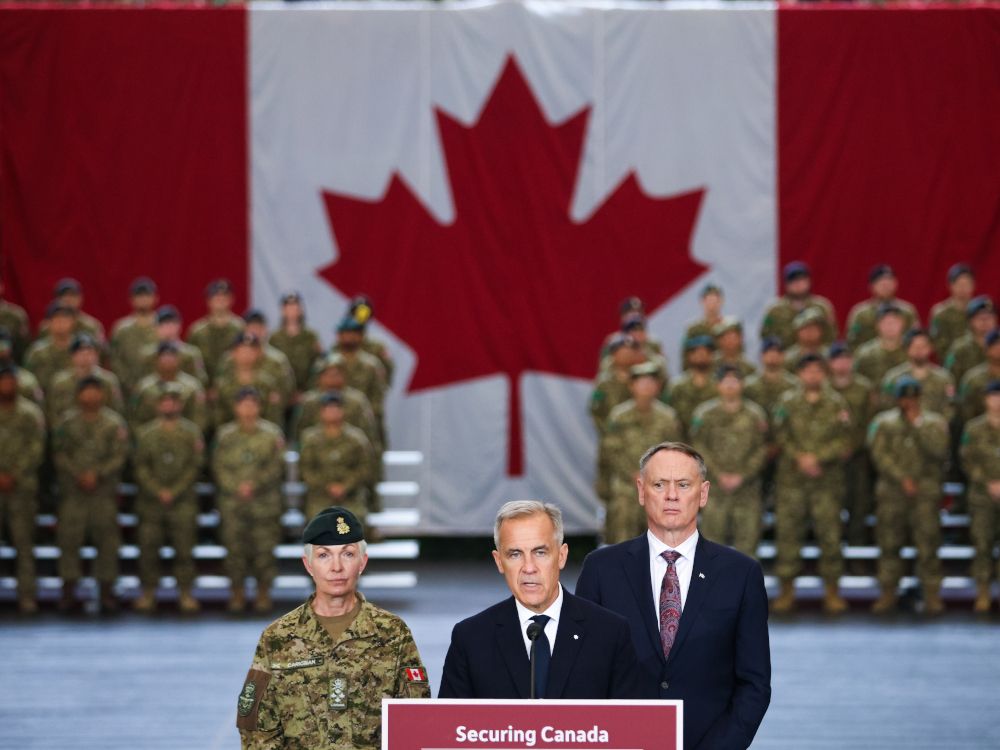
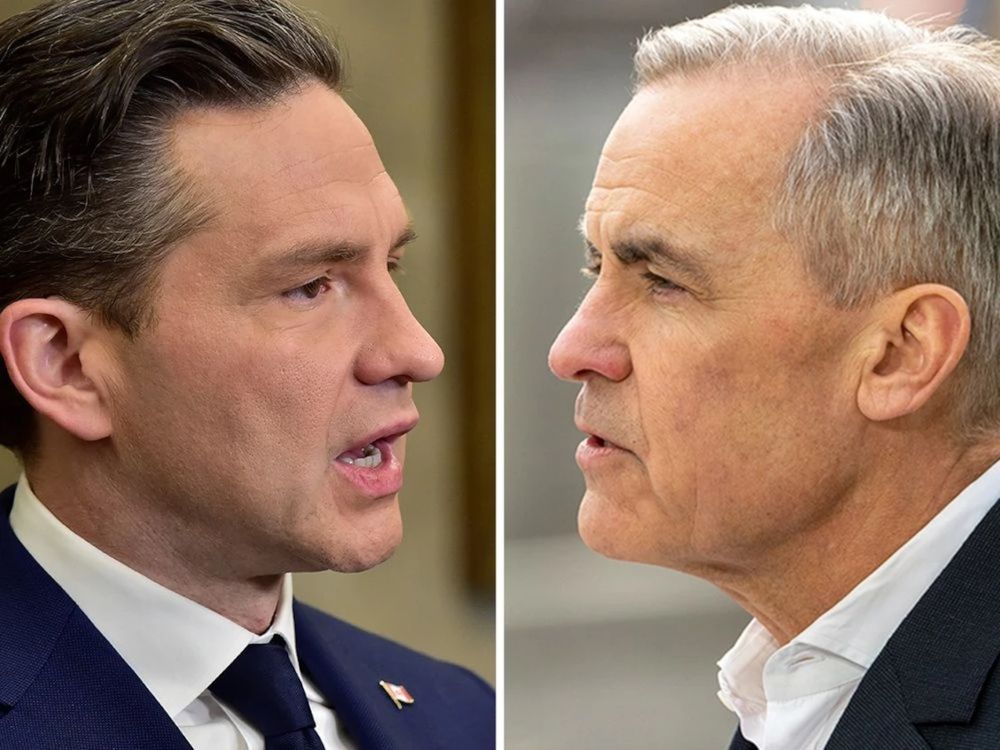
What a difference six months make. In December, Canada’s Conservatives were in the catbird seat with 48 per cent support, while the Liberals dropped to 19. Practically everyone pegged Conservative Leader Pierre Poilievre as Canada’s next prime minister.
Then Justin Trudeau stepped down, Donald Trump took office and Mark Carney got elected Liberal leader. One federal election later, the Liberals have a minority and would likely have a majority if a vote were held today. It’s a reversal of fortunes worthy of a Shakespearean play (or, for the gen Z crowd, a Netflix drama).
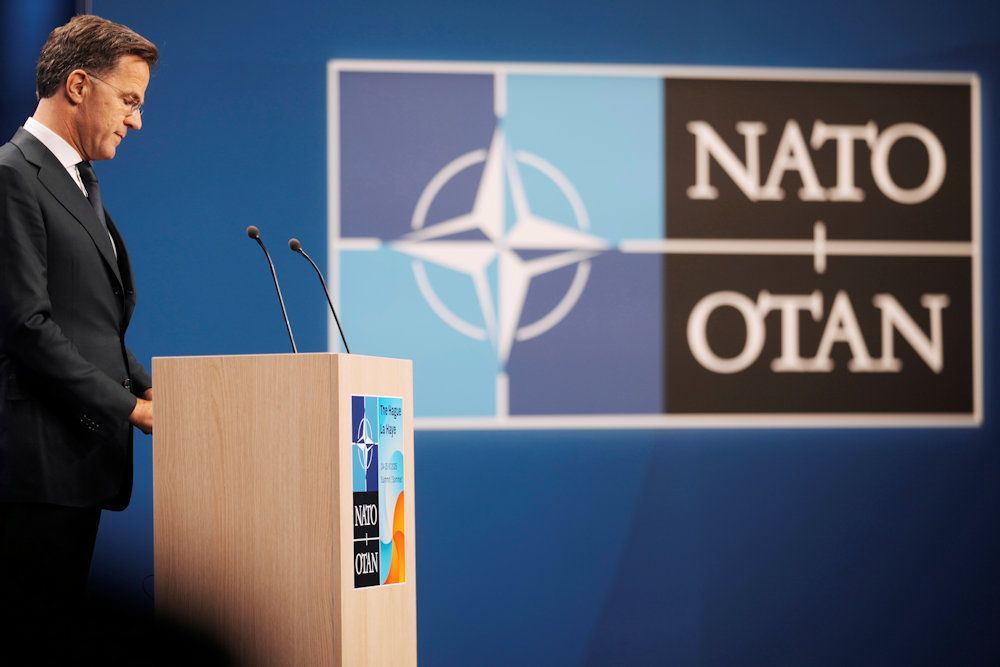
The lesson is that politics is all about timing. While Poilievre was the perfect foil for the hapless Trudeau, it’s not clear how he counters Carney. Apple chomping videos won’t cut it. In the current climate, they look positively juvenile. The world sits on the brink of another world war, Canada is trying to get a trade deal with the U.S. and we just inked a defence agreement with the European Union. This is a game for grownups, not social media stars.
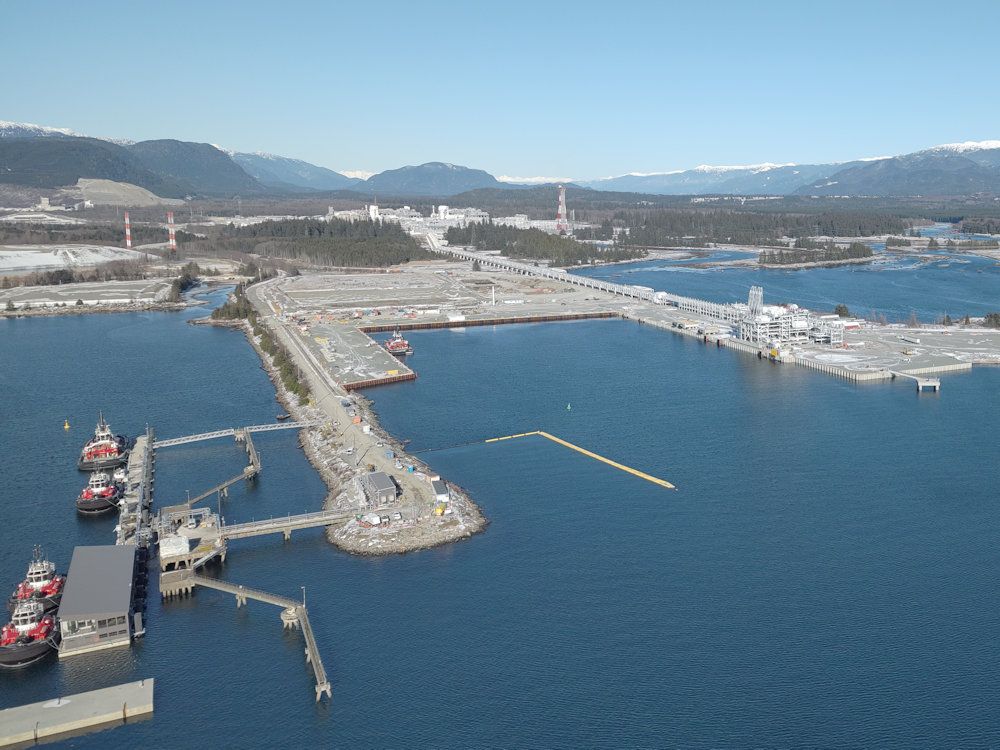
It also doesn’t help that the Liberals are implementing much of the Conservative agenda, starting with a carbon tax cut, an income tax cut and legislation to speed up major projects and resources development. The latter, Bill C-5, passed with the help of the Conservatives, and despite opposition from Indigenous and environmental groups, both key constituencies for the previous Liberal government.
Such a thing would have never happened under Trudeau, for whom electoral calculus and virtue-signalling trumped the national interest. He said it was a shame that a female president hadn’t been elected instead of Trump.
He apologized for abuses at Canada’s residential schools, but turned a blind eye to the torching of churches. And he trashed Canada’s relationship with India to gain favour with Sikh voters, while turning his back on Israel to court the Muslim vote.
In contrast, Carney is emerging as a non-ideological pragmatist. He’s hell-bent on getting Canada what it needs: a trade deal with the U.S., diversified partnerships in trade and security and a renewed relationship with India.
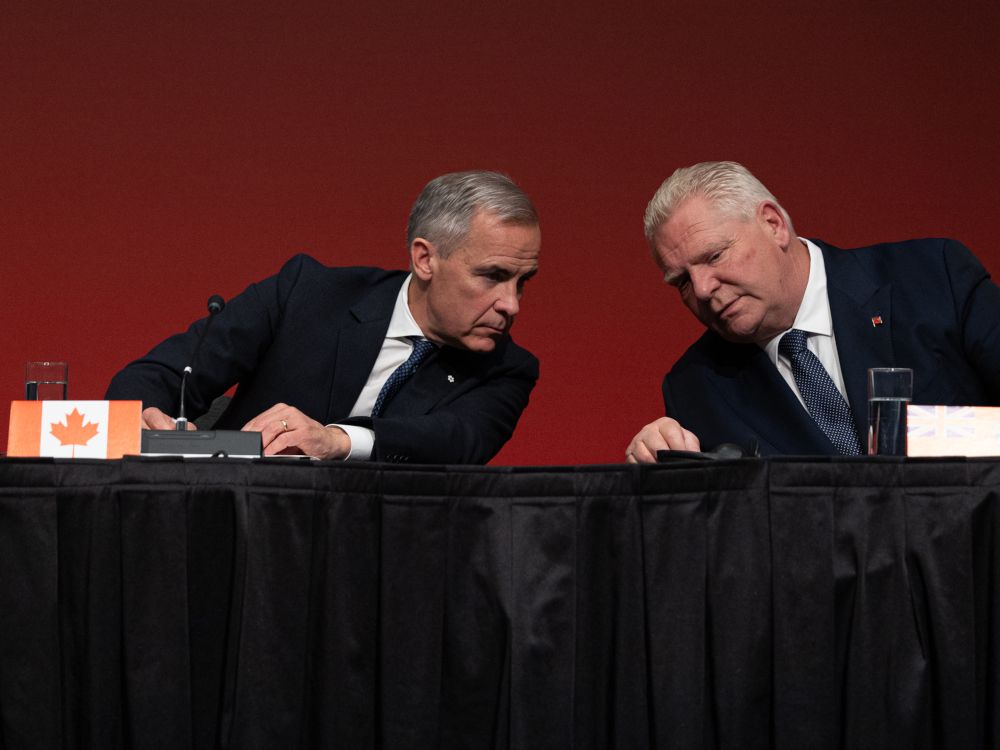
At the G7 summit, he praised Trump, hosted Indian Prime Minister Narendra Modi and managed expectations of a final communique even before the confab began. He may not be an experienced politician, but he is a diplomat, and it showed.
That’s not to say Carney doesn’t have a belief system, notably on climate change. Left-wing outlets may decry his embrace of oil and gas, but if they read between the lines, it’s clear that he prefers a greener path. However, he realizes that unless you do both, he won’t pass Go: it’s not just the Trump administration that takes a dim view, but hard-up consumers who are also turning their backs on electric vehicles.
And on the other end of the political spectrum, Carney is also raising eyebrows. At a press conference with EU leaders, he described Canada as “the most European of the non-European countries,” and talked of “increased harmonization of our regulatory frameworks.” The EU is famous for its byzantine and overweening regulations, from the ingredients in baguettes to ESG mandates to rules governing the digital economy — an approach that’s curiously at odds with the get ‘er done spirit of Bill C-5.
But this quixotic approach may be exactly what keeps Carney in power, because it marginalizes both the left and the right, squeezing them into more extreme spaces that centrist voters eschew. For Poilievre, it’s bad news: if he meets Carney on his middle ground, he risks alienating the anti-globalist crowd, but if he panders to those voters, he will drive even more “progressive conservatives” to Carney. For the Conservative leader, it could be a long, hot summer, indeed.
Postmedia Network
Tasha Kheiriddin is Postmedia’s national politics columnist.