


MONTREAL — Quebec’s Court of Appeal will rule Monday on the provincial government’s bid to allow elected officials to sit in the legislature without swearing allegiance to the King.
The decision will come a day before the legislature is scheduled to resume parliamentary work.
Justice Lori Renée Weitzman heard arguments Friday as the Parti Québécois government seeks to appeal a lower court ruling that suspended a 2022 Quebec law making the oath optional.
Superior Court Justice Ian Demers suspended the law on Monday and ordered his ruling to take immediate effect, even in the event of an appeal.
Demers’ ruling stayed the law pending a decision on its constitutionality.
In his decision, Demers said elected officials would have to swear allegiance to the King before taking office and warned that legislation adopted by members who had not taken the oath would be unconstitutional.
Weitzman will decide whether to allow the government to appeal Demers’ decision and whether to put the lower court ruling on hold pending the appeal. If the court grants permission to appeal, the appeal would be heard Jan. 11.
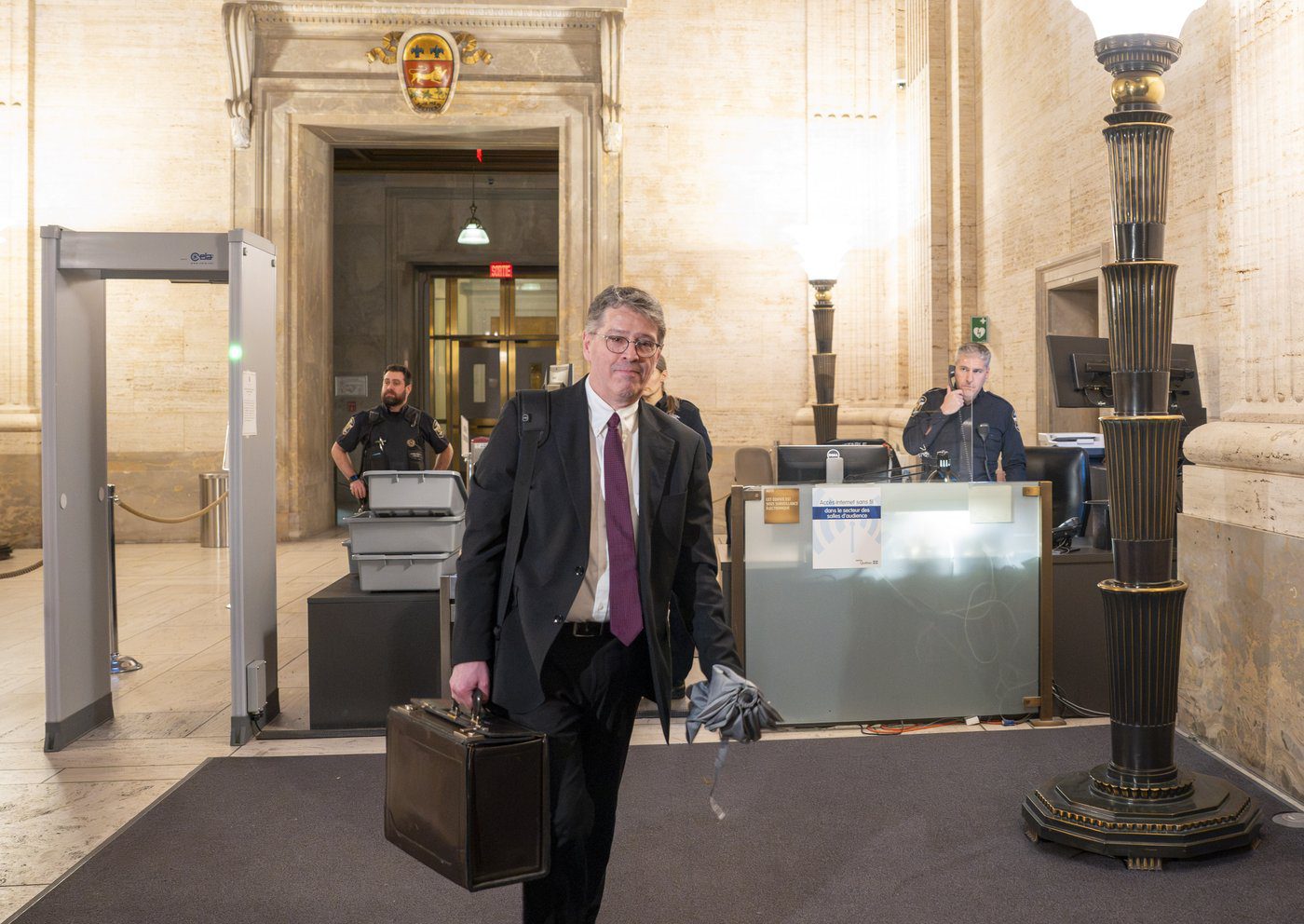
Michel Déom, a lawyer representing Quebec’s attorney general, argued Friday that Demers made several errors of law, including failing to adequately consider the consequences of disrupting parliamentary work.
University of Ottawa law professor Lawrence David, one of three applicants challenging the constitutionality of the Quebec law, urged the court to reject the government’s requests.
David argued that the constitutional requirement to swear allegiance to the King is unequivocal and warned that laws adopted by elected officials who have not taken the oath would be unconstitutional.
David also expressed concern about political pressure surrounding the case, referring to a letter the premier invited opposition parties to sign reaffirming their opposition to the mandatory oath. He said political manoeuvres should not influence the court’s decision.
Section 128 of the Constitution Act, 1867, requires members of provincial legislatures to swear allegiance to the monarch before taking their seats. But in 2022, Quebec’s legislature unanimously passed a law exempting its members from that requirement.
None of the 127 members of Quebec’s legislature elected in October have sworn allegiance to the King, opting instead to swear allegiance to the people of Quebec.
Premier Paul St-Pierre Plamondon said Friday the dispute illustrates what he considers to be the shortcomings of the Canadian Constitution. “The Constitution is set in concrete. That’s a problem,” he told reporters in a news conference in Quebec City.
He said the Constitution is dysfunctional in some respects, to the point where a dispute over an oath that was the subject of a unanimously adopted law could paralyze the legislature.
On Wednesday, St-Pierre Plamondon invited opposition parties to sign a joint declaration reaffirming their desire to resume parliamentary work without swearing allegiance to the King.
Ruba Ghazal, Québec solidaire’s parliamentary leader, committed to signing the declaration, but the Quebec Liberals and Conservatives have refused to do so.
Both parties have said they would not defy court orders to sit illegally.
St-Pierre Plamondon said Friday he was “incredibly disappointed and even stunned” by the positions taken by Liberal Leader Charles Milliard and Conservative Leader Éric Duhaime, accusing them of lacking principles and consistency.
The premier said he hoped political pressure would persuade the opposition leaders not to swear allegiance to the King.
St-Pierre Plamondon said Thursday the parliamentary session would begin Dec. 1 as planned, without members taking the oath.
On Friday, he said that “a lot of things could happen on Tuesday.”
This report by The Canadian Press was first published Nov. 27, 2026.
Charlotte Glorieux, The Canadian Press