



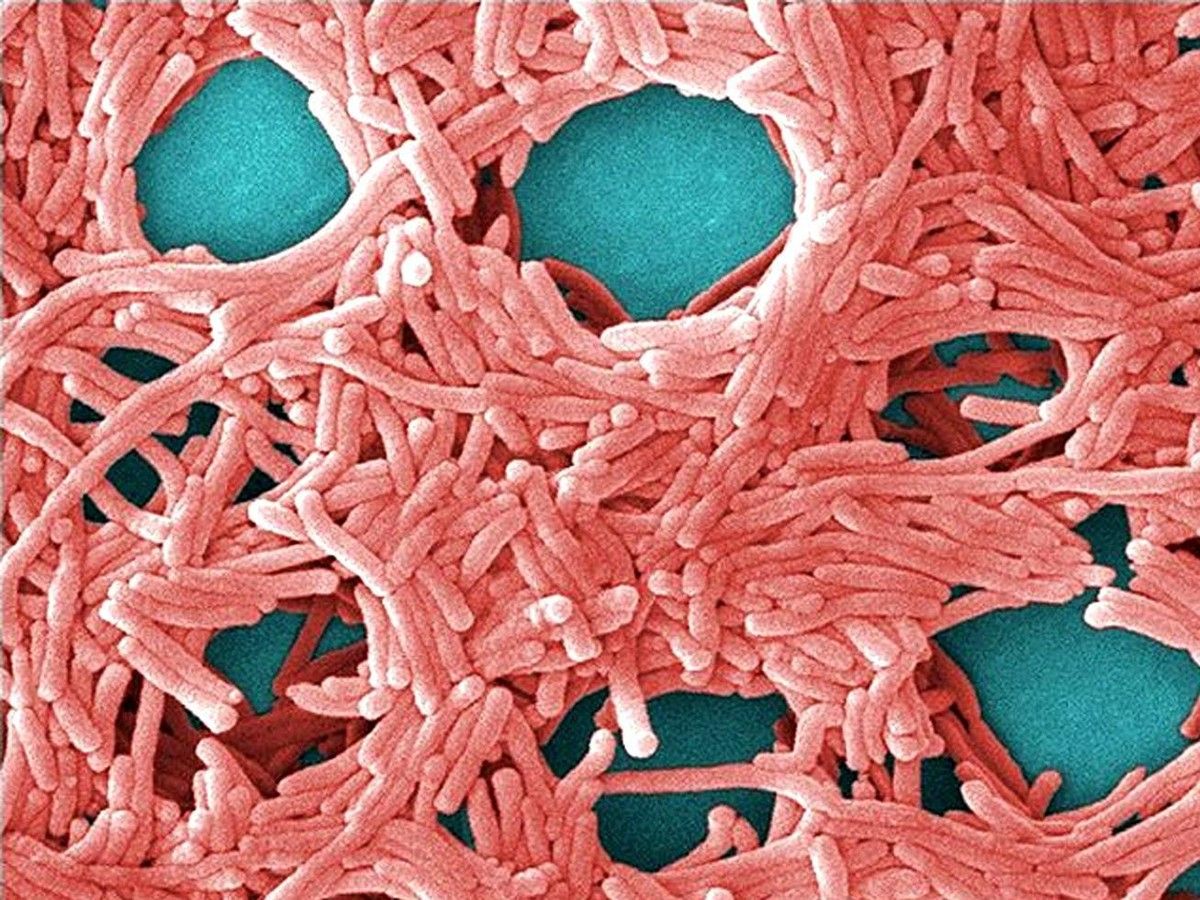
An outbreak of Legionnaires’ disease in downtown Toronto is currently under investigation by Toronto Public Health (TPH).
In a news release on Monday, health officials said the outbreak has occurred in an approximately one-kilometre radius of the intersection of Bathurst Street and Dupont Street, with six confirmed cases identified among people who live, work or have visited the area.
The source of the outbreak is yet to be confirmed, but TPH said possible sites have been identified and precautionary control measures have been implemented. Local hospitals and health partners have also been notified to help identify any additional cases.
Legionnaires’ disease is a serious form of pneumonia caused by a bacterium found in natural water sources. Symptoms can include fever, coughs and muscle pain, and while most cases can be successfully treated with antibiotics, some individuals are at greater risk from the disease.
News Release: Toronto Public Health investigating Legionnaires’ disease cases in Bathurst Street and Dupont Street area#TorontoNewshttps://t.co/nlj1cIircB
— Toronto Public Health (@TOPublicHealth) August 17, 2026
What is Legionnaires’ disease?
Legionnaires’ disease is a respiratory illness caused by a type of bacteria that lives in water called Legionella, and can result in a serious chest infection or pneumonia.
The bacteria are naturally present in water sources and can also be found in man-made water systems such as cooling towers, hot tubs, sprinkler systems, humidifiers and decorative fountains.
What are the symptoms?
According to the Public Health Agency of Canada (PHAC) , symptoms of Legionnaires’ disease include fever, chills, headache, confusion, muscle pain, loss of appetite, symptoms of pneumonia (such as cough and shortness of breath), and abdominal pain with or without diarrhea.
Toronto City’s webpage explains that symptoms usually start two to ten days after exposure but can be up to 19 days after exposure.
Symptoms of Pontiac fever, which is a mild illness caused by breathing in Legionella bacteria, usually start 24 to 48 hours after exposure but can range anywhere from five to 72 hours.
Legionnaires’ disease is a serious form of pneumonia, while Pontiac fever is a milder illness without pneumonia. In severe cases, symptoms can progress quickly to organ failure and death.
However, most cases of Legionnaires’ disease can be treated successfully with antibiotics, while people with Pontiac fever generally recover on their own within a week.
How does it spread?
People can become ill with Legionnaires’ disease by breathing in small droplets of water containing Legionella bacteria.
Legionella bacteria are found in natural water sources such as lakes and rivers, but can spread to poorly maintained human-made water systems, such as cooling towers, humidifiers and sprinkler systems.
This happens when certain conditions in buildings and homes promote the growth of the bacteria, which include the presence of sediment or biofilm, stagnant water, warm water temperatures or not enough disinfectant in the water.
When the contaminated water is released into the air through mist or droplets, the bacteria become airborne. Inhaling these droplets can lead to infection.
The risk of getting Legionnaires’ disease or Pontiac fever is generally low, according to PHAC, though people over 50 years of age, smokers, and individuals with chronic lung or kidney disease, diabetes, or weakened immune systems are among those considered at greater risk.
What is being done in Toronto?
TPH said in a news release Monday that health officials are investigating possible sources of Legionella bacteria through on-site inspections and environmental sampling. They have also implemented “precautionary control measures” and notified local hospitals and health partners to help identify and report any additional potential cases.
No source of infection has been confirmed and the investigation remains ongoing, but officials said they are working to determine whether this Legionnaires’ disease outbreak may be linked to a recently declared outbreak at Castleview Wychwood Towers, a long-term care home in the area.
Five confirmed cases were identified in that outbreak, with the most recent individual developing symptoms on Sunday, July 19.
What can people do to protect themselves?
Legionnaires’ disease does not spread from person to person, and you cannot become infected by drinking water containing Legionella bacteria. TPH have said the risk to the public remains low.
However, to reduce the risk of Legionella in your own home, PHAC recommends proper maintenance of all mist-producing devices, such as hot tubs, humidifiers, shower heads, and whirlpool bathtubs, by cleaning and disinfecting them regularly.
Meanwhile, keeping your home water heater at a suitable temperature (minimum of 60°C) will also help prevent the growth of Legionella.
If you are worried about potential symptoms, speak to your health care provider. They can order different types of laboratory tests to confirm if an infection is caused by Legionella bacteria.
Our website is the place for the latest breaking news, exclusive scoops, longreads and provocative commentary. Please bookmark nationalpost.com and sign up for our newsletters here.