



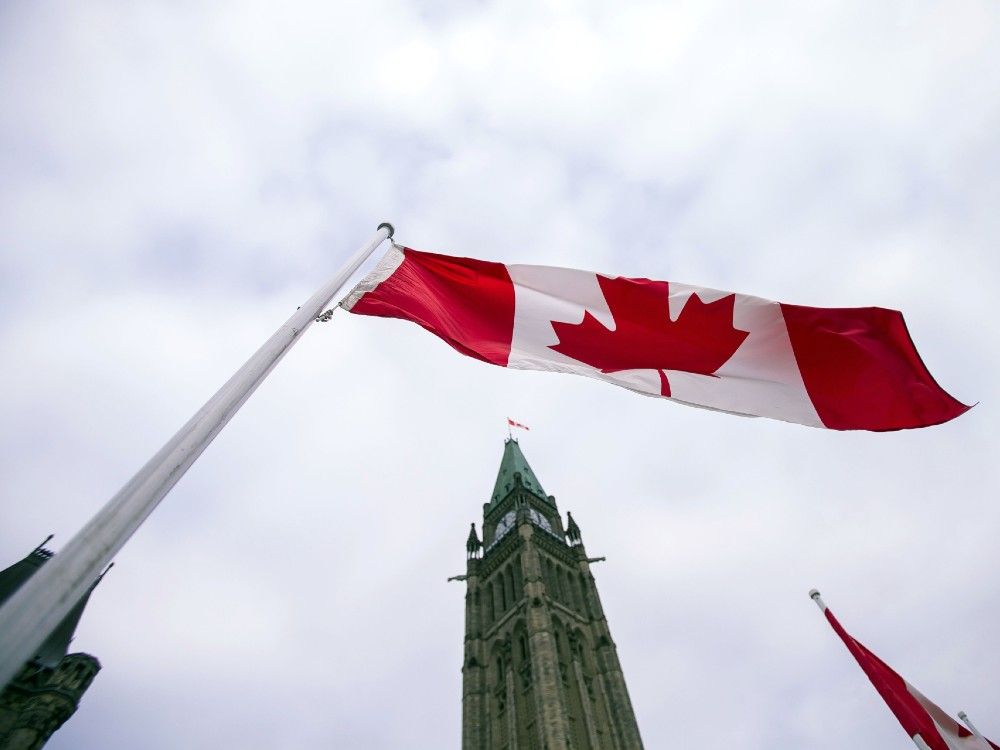
Prime Minister Mark Carney’s willingness to shield an MP who openly mused about targeting political rivals is more than a scandal.
It erodes Canadians’ trust.
When a government leader tolerates this sort of behaviour it sends a message that accountability and safety are negotiable. It will certainly harden the opinions of rightfully cynical Canadians, just
of which have confidence in the federal parliament.
Federal and provincial governments must react immediately to counter foreign interference threats and to create policies that will protect Canadians. These policies should ensure that children can leave their bikes on their front lawns, and all can travel to and from work, or go about their business, without worrying about personal safety, a reality Canadians once enjoyed.
It would be tempting to say that this is not your parents’ Canada anymore, but even young adults can remember when things were different. And this change appears to have happened fairly recently.
Coming out of the COVID-19 pandemic in 2023, a survey found that
of respondents reported feeling that crime and violence had worsened. In January, another survey found that
of newcomers to Ontario, such as Ukrainians and Indians, felt safer in their countries of origin than in Canada.
Canada now
higher property crime rates than many of its developed-world peers, particularly in recent years, with notable increases compared to countries like the United States.
Car theft has become so widespread that some have dubbed Canada as “ground zero” for the crime, with instances rising an eye-popping
per cent in Toronto between 2018 and 2023.
In 2024, reported shootings in Toronto rose to
, up
from the previous year. In that same timespan, documented violent assaults stretched to a high of
instances.
There were several
in downtown Vancouver near the main branch of the public library last year. In
, one man was murdered and another had his hand severed by a violent criminal. In December, another perpetrator stabbed a victim to death.
Retail theft has become commonplace, leading to increased costs for small business owners and endangering employees with losses of
in 2024. Workers at Loblaws are being
to ward off aggressive and potentially violent behaviour from would-be thieves or other assailants, much good it may do them.
Failed government policies around bail, sentencing, and safer supply are largely to blame.
Safer supply,
by the Liberals, and deployed by provincial governments like the B.C. NDP, has been a
. Attempts to gaslight the public into believing that giving narcotics to addicts is a good idea have been insulting to the intelligence of everyday people who saw the effects in real-time.
A recent damning
found that, unsurprisingly, the B.C. government’s policy of distributing free narcotics to drug addicts as well as decriminalization policies have failed to mitigate the opioid crisis. The report found that the safe supply program resulted in no net decrease in deaths and overdoses. To make matters worse, earlier reports discovered that safe supply opioids were being
for tracking on the black market.
If the federal or provincial government simply asked people who live in proximity to Vancouver’s downtown eastside they could have gotten the same conclusion for free.
In Canada today, it’s become unsurprising to see addicts
or
improperly disposed of drug paraphernalia
with government labelling in the local Tim Hortons. Canada’s most iconic coffee chain now doubles as a makeshift drug den.
Notably, the same federal survey that found such low trust in parliament also found that the police were the most trusted public institution, with
having high confidence in the officers.
Even if Ottawa and the provinces became fully committed to getting tough on drugs, crime, and disorder, the courts would still stand in the way. If bad public policy is one branch of the decaying tree sucking the trust out of Canadian life, the judiciary is another.
In 2019, a van was stopped on the highway by police in British Columbia. A sniffer dog detected drugs being transported on board, which turned out to be 27,500 pills of fentanyl, the opioid that has contributed to the
of over 50,000 Canadians since 2016.
A judge let the suspect
because the dog improperly sat down, their trained signal to indicate they can smell hidden illegal substances. Apparently, this was a violation of the suspect’s Charter rights because the “partial sit-down” did not warrant a search of his vehicle.
Judges’ creative Charter uses aside, increased policing appears to help and might restore trust in institutions. Vancouver Mayor Ken Sim fulfilled one of his signature election promises from 2022 by
to bolster the ranks of the Vancouver Police Department.
Unsurprisingly, crime rates
, with violent crime down 6.6 per cent, and property crime declining by almost 11 per cent. The mere presence of more police is an effective way to deter crime, let alone using their powers to combat it.
Canadians’ trust in government will not improve until they feel their personal and national security is being considered.
Carney’s choice to side with an MP under police investigation, who later resigned of his own accord, speaks to a lack of willpower to stamp out misconduct, whether it be in Ottawa or out on the street. Accountability and a culture unafraid to punish wrongdoing must begin at the very top before it trickles down, both politically and culturally.
National Post

