


First Reading is a Canadian politics newsletter curated by the National Post’s own Tristin Hopper. To get an early version sent directly to your inbox, sign up here.
TOP STORY
This time last month, Lorne Doerkson was in South Africa attending to one of the drier paid vacations of any English-speaking elected official: a summit of the Commonwealth Parliamentary Association .
This year’s agenda included workshops on “delivering inclusivity measures in capacity-strained parliaments” and “breaking the silence on menopause.” Doerkson could also have sat in on a panel discussion about water desalination on Caribbean islands.
That the 58-year-old MLA was there at all was a sign that he was somewhat dispensable as a B.C. legislator.
Governments generally don’t send their top talent to CPA summits, and Doerkson was moving among people much like him: Opposition backbenchers from obscure subnational Anglosphere jurisdictions nobody has heard of.
Just a month later, and Doerkson — a man whose highest educational attainment is a high school degree — is now favoured to become the 38th premier of British Columbia.
If he manages it on the Oct. 24 election, Doerkson will achieve something that’s really only happened a handful of times in Canadian history: A politician catapulted into the top job despite never really asking for it.
To look at the current roster of Canadian premiers is to look upon some of the most viciously ambitious figures in the country: Men and women who have spent their entire adult lives striving for power, and were well-prepared to step on rivals and capitalize on crisis to get there.
Alberta Premier Danielle Smith has flown the banner of three political parties in a bid for the premiership that stretches all the way back to 2009. Considered persona non grata in Alberta politics as recently as 2022, she swooped back into relevance only after the political immolation of her predecessor, Jason Kenney.
Ontario Premier Doug Ford also ascended to the pinnacle of power by parachuting into the ruins of a predecessor. An unsuccessful candidate for Toronto mayor in 2014, after Progressive Conservative leader Patrick Brown was forced out over sexual misconduct allegations in 2018, Ford suddenly dove into provincial politics and narrowly clinched Brown’s spot as premier-in-waiting.
Paul St-Pierre Plamondon, Quebec’s newly minted premier-designate, spent six years turning the Parti Québécois into an electable organization through sheer force of will.
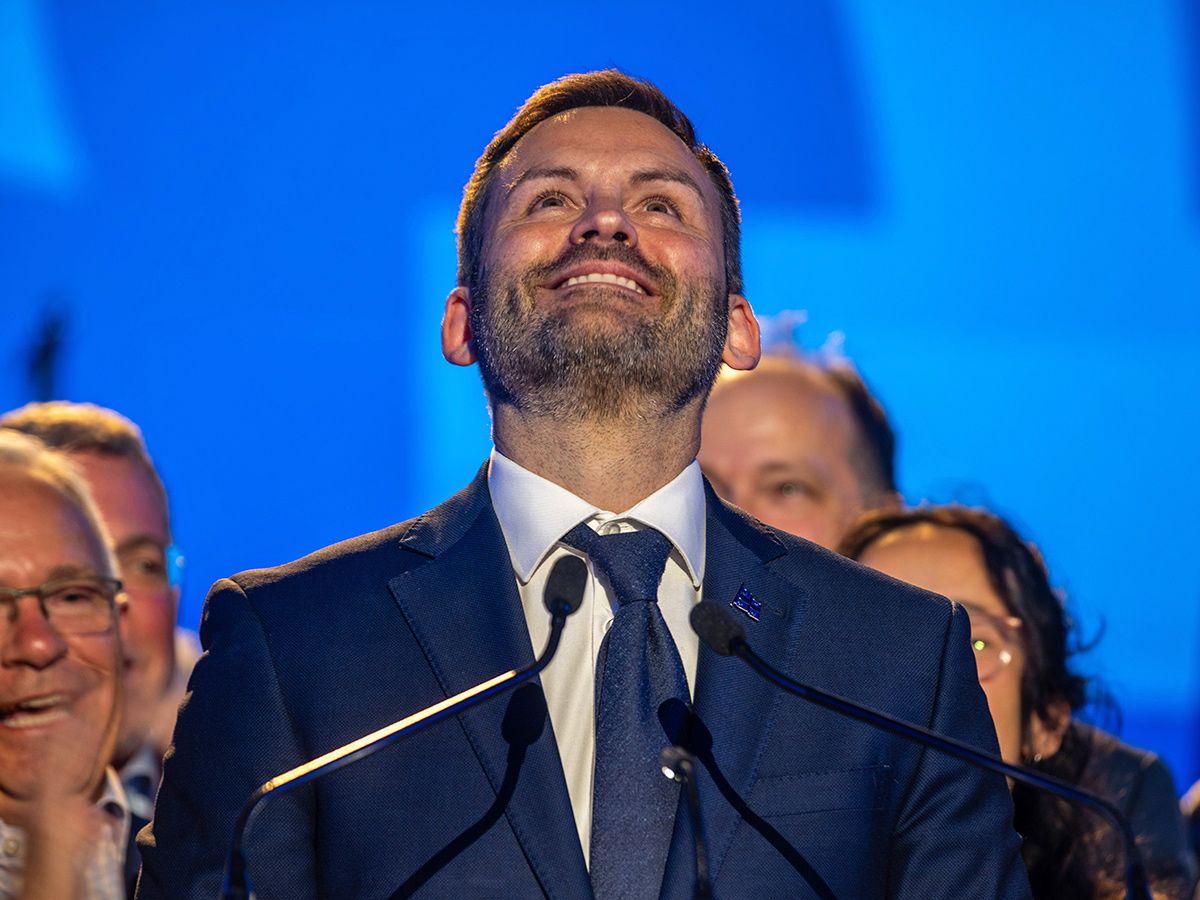
And he did it by reversing basically every principle he held 10 years ago. As noted in a recent profile by The Walrus, PSPP first entered Quebec national politics on a platform of embracing multiculturalism and diversity.
As he prepares to take office, he’s instead become one of Quebec’s loudest voices against immigration, multiculturalism and “wokisme.”
Doerkson has only been an elected politician for six years. He’s won precisely two elections in Cariboo-Chilcotin, the riding where he has lived for 30 years.
It’s one of the province’s safest seats for a conservative politician; said elections would have consisted of little more than handing out signs, doing some door-knocking and sending out uncontroversial talking points to local media.
“I’ve always believed that ridings like ours deserve strong representation in Victoria, especially in areas like health care, infrastructure and industries like ranching, mining and forestry,” was his pitch to the Ashcroft Cache Creek Journal in 2024.
During his first three years as an MLA, Doerkson was mentioned precisely twice in the pages of the Vancouver Sun.
In a story about the rising costs of landslide mitigation, Doerkson said there needed to be “more engagement” on the issue. Then, in a story about $4 million being earmarked for IT upgrades at the B.C. Parliament Buildings, Doerkson was noted as one of its opponents.
His social media is an infrequent assemblage of routine complaints about emergency room closures, mill layoffs and death notifications. He sent out precisely 12 X posts throughout the summer, and two were about baseball.
A fantastic day for baseball in our Capital! https://t.co/kPcB8cgJ2o
— Lorne Doerkson (@LDoerkson) July 15, 2026
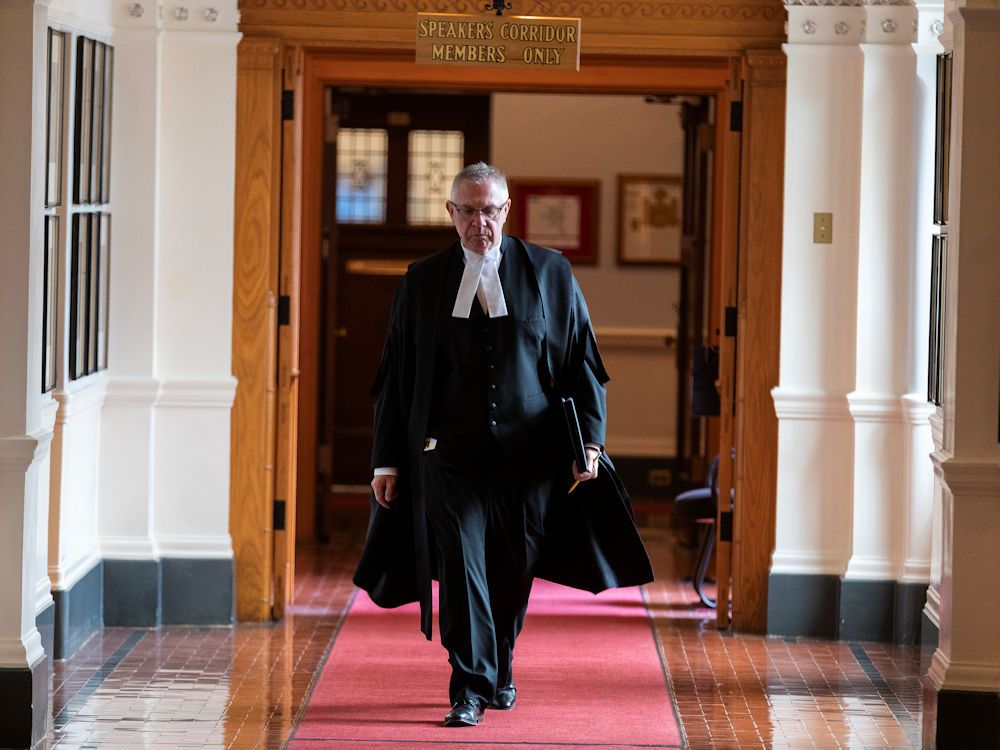
Most of his time in the B.C. Legislative Assembly was spent wearing the fancy robes of Assistant Deputy Speaker. Meaning that whenever the legislature descended into passionate arguments about Indigenous land claims or sexually explicit literature in school libraries, Doerkson’s usual role was to passively moderate.
In fact, amid all the controversies and sword clashes that have defined the last two years of B.C. politics, some of Doerkson’s only statements in the legislative record are routine greetings to welcome someone from his constituency who was vacationing in Victoria. In June, he stood to acknowledge Michelle LaPlace, a woman he knew from Williams Lake who was in town visiting a friend.
Doerkson has similarly stayed out of the spotlight amid the various power struggles that have defined B.C. conservative politics in recent years. When leader John Rustad resigned in late 2025, Doerkson declined an offer to serve as interim leader.
In the subsequent B.C. Conservative leadership race, his only contribution was to endorse Peter Milobar, a fellow MLA from the interior who ended up coming in last place.
Only after the ultimate winner, Kerry-Lynne Findlay, was forced out last month by a caucus revolt, did Doerkson get another offer as he was changing planes in Amsterdam on the return trip from South Africa.
As to why Doerkson got the nod, the best theory going is that after months of conservative infighting, he was one of the only ones left for whom nobody had any personal animosity – if only because nobody knew much about him.
As BC NDP Leader David Eby said upon first learning that he’s be
First Reading is a Canadian politics newsletter curated by the National Post’s own Tristin Hopper. To get an early version sent directly to your inbox, sign up here .