


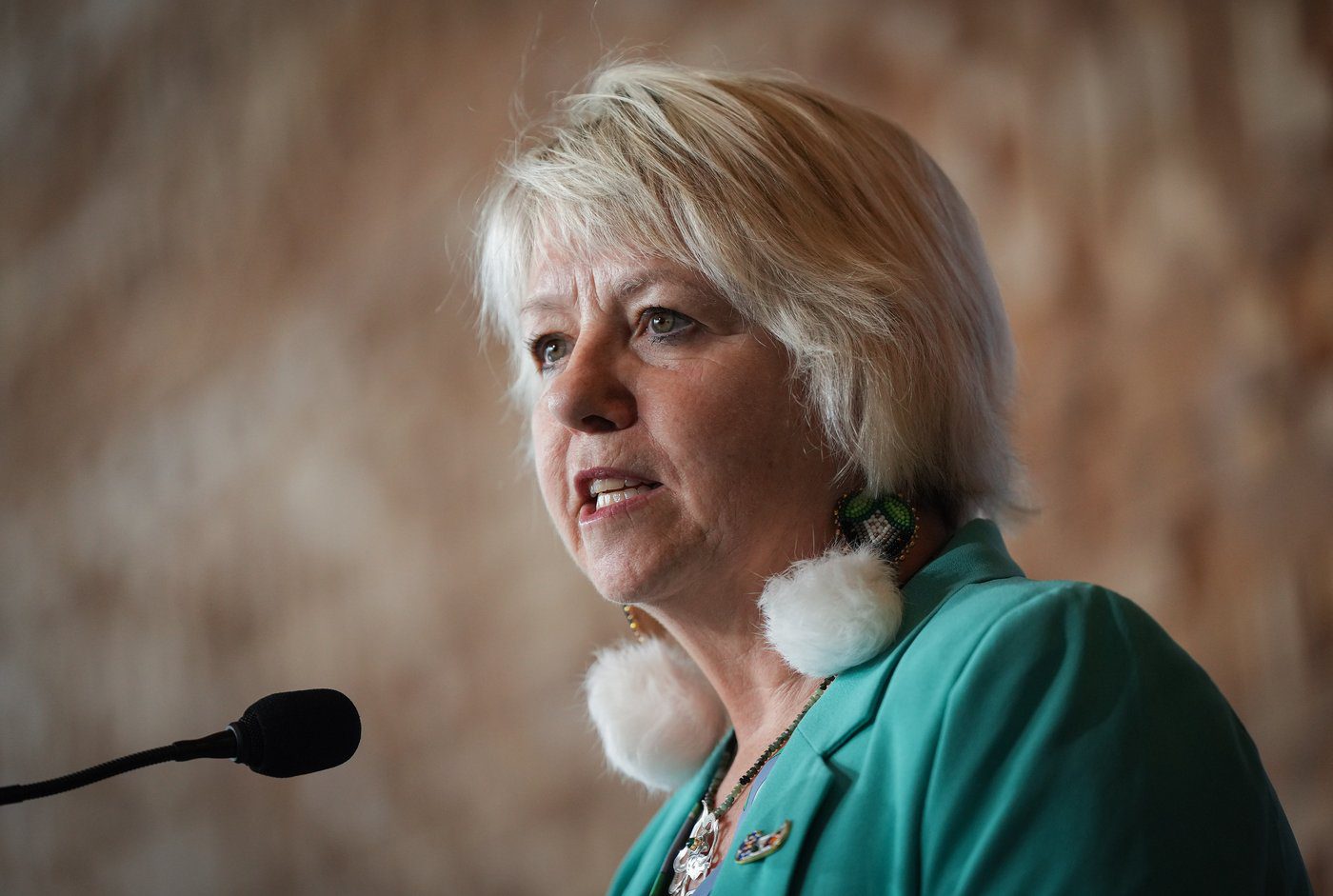
VICTORIA — British Columbia’s public health officer says the decision to roll back the decriminalization trial because of political pressure was “disappointing.”
Dr. Bonnie Henry made the comment as the province marks the 10th anniversary on Tuesday of the declaration of a health emergency over the toxic drug crisis, which has killed more than 18,000 people since then.
Henry told a roundtable discussion that she “absolutely” believes that “there was political pressure” to stop the decriminalization trial, which removed criminal penalties for those caught with small amounts of certain illicit drugs for personal use.
She says that she heard language from some political leaders, both federal and provincial, that she felt “was very stigmatizing” of substance users, which deteriorated gains that had been made in reducing shame around addiction.
Henry says she was among the most disappointed when the province didn’t ask the federal government to extend the exemption, but added that she understood the need to step back.
While decriminalization “was never going to be a silver bullet,” Henry says, it “became a touchstone for people in a way that was causing harm.”
B.C. had applied for the exemption in response to the toxic drug crisis on the premise that it would lower the stigma around drug use.
But concerns about open drug use and public safety forced government to change the rules, before it eventually pulled the plug on the project.
Health Minister Josie Osborne, who was also part of the roundtable, announced in January that B.C. would not apply for an extension to decriminalization because it had not delivered the results that government had hoped for.
Osborne says that the trial was always going to be temporary.
This report by The Canadian Press was first published April 14, 2026.
Wolfgang Depner, The Canadian Press

