


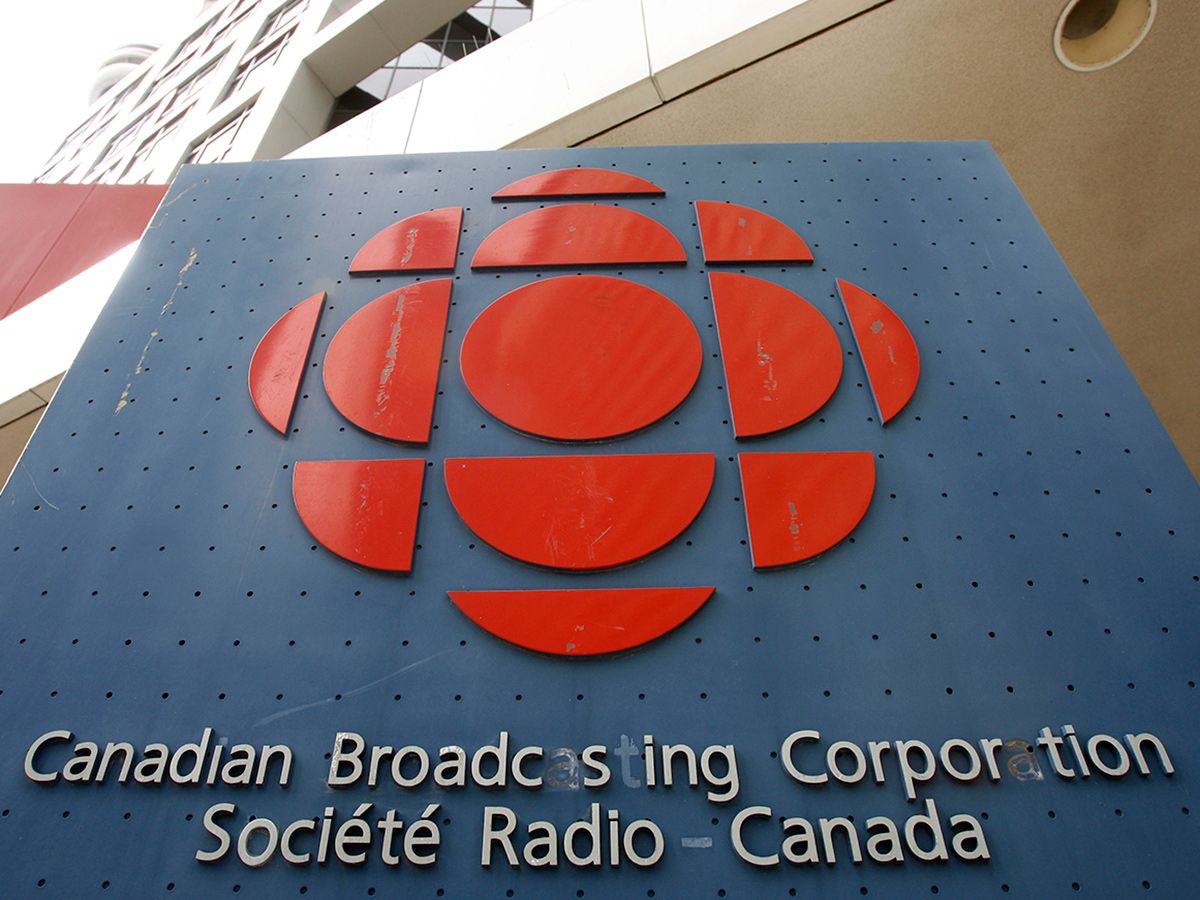
Did CBC attempt to distort the memory of 9/11? Should the incident be overlooked or brushed aside? Canada’s leading publicly funded news agency owes us an explanation for first, issuing a directive to its journalists: “do not refer to the Sept 11 attacks as terrorist attacks.” Then, after intense criticism, CBC dropped its requirement of “attribution” when describing 9/11 as terrorism.
All went silent in Canadian media after CBC’s reversal. But for those of us who clearly remember the impact of 9/11 on our way of life and the ensuing “war on terror,” 9/11 deserves historical truth — not softened or whitewashed by bureaucratically sanitized language. Islamic terrorism was responsible for the murders of 26 Canadians and nearly 3,000 innocent people on that tragic day in 2001.
There should be no question or discussion that this was a terrorist attack. Just ask Maureen Basnicki, whom I spoke with earlier this week about her husband, Ken, who was murdered on that day. Ken was trapped on the 106th floor of the Twin Towers because al-Qaida trained Islamists flew a plane into the building he coincidentally was meeting in.
The world stopped on that day. Fear and confusion gripped us. Was this the start of World War Three or perhaps a precursor to a nuclear attack? We rushed home, leaving our offices to pick up our children from school — to be with them. For days and even weeks after, the skies over our heads were silent as planes were grounded. Our way of life would be forever changed, as security at airports and venues increased. Terrorism worked.
Through its attempt to present a face of neutrality for the 9/11 terrorist attacks, the CBC was whitewashing a historical fact, an insult to our American friends (and not particularly good timing during a trade war). FBI Director Kash Patel was among numerous voices who denounced Canada: “Any agency in Canada that doesn’t publicly reject this bastardization of history and an insult to the souls lost during our largest terrorist attack… will no longer have a friend in the FBI.”
The question remains, why did CBC attempt to, once again, cleanse its language? It did so immediately in the aftermath of October 7, choosing not to refer to Hamas as terrorists — instead referring to the designated terrorist group as “ militants .” Objecting to CBC, former New York governor George Pataki surmised , “fear of being accused of Islamophobia cannot become an excuse for denying the plain truth. This is a shameful failure of moral courage.”
Canadians deserve answers. Is there an aversion to recognize and confront radical Islamic ideologies that are terrorizing our world? Who approved the original directive and why? Is anyone being held to account — or for that matter, apologizing to the victims’ families? Has CBC undertaken an independent review of its terrorism policy? Will the same moral clarity apply to October 7 and other unmistakable acts of terrorism?
Canada’s moral compass is shifting, and our national broadcaster is its reflection. Once we possessed greater confidence in distinguishing democracy from extremism. Today, we are aligning with countries like China and Qatar, rather than our friends and allies, America and Israel. We have drifted so far from our foundational values of recognizing evil that, increasingly, even our public institutions appear afraid and uncomfortable to name simple truths.
Maybe Trump is not tough on Canada because of tariffs. Maybe he’s tough on Canada because we have drifted into a moral abyss. It may be coincidental, but his name change for Lake Ontario to Lake America came immediately after the CBC controversy. Even the U.S. Ambassador to Canada, Pete Hoekstra quipped : “Failure to recognize and confront radical and terrorist ideologies significantly endangers our efforts to establish and harmonize a shared national and economic security partnership.”
Radical Wokism is ruining our country. Something to ponder.
Avi Abraham Benlolo is the chairman and CEO of The Abraham Global Peace Initiative, a Canadian think tank.

