


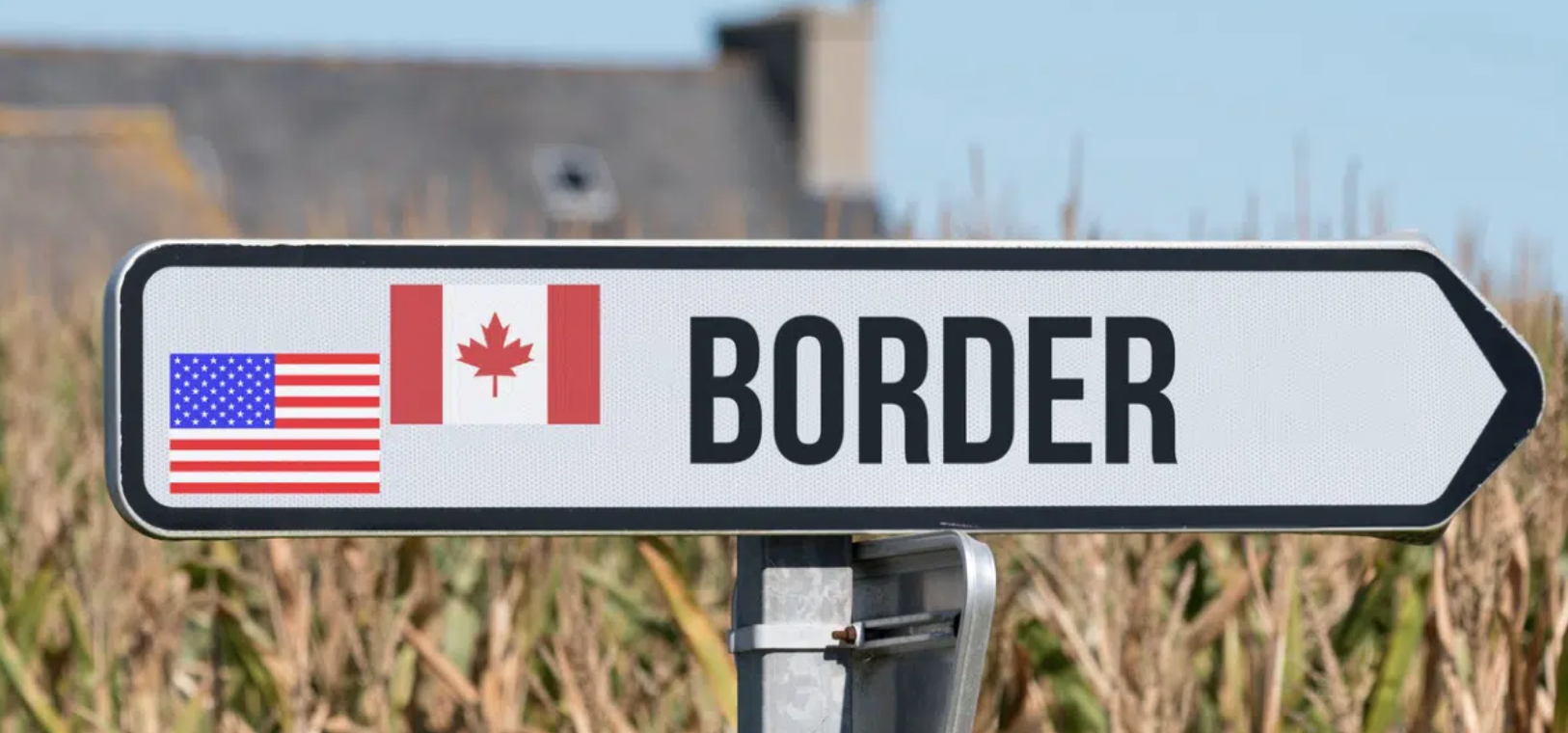

After nearly 20 months, the United States border is finally set to reopen to Canadian tourists.
As of Nov. 8, Canadians will be able to partake in the age-old tradition of raiding border towns’ Costcos for cheap milk or enjoying the panoply of American restaurant brands that haven’t made it north of the 49th parallel. Nature is healing, in other words.
Far from a market sign that the pandemic is nearing its end, the Canadian government seems hellbent on making it as difficult to enjoy this grand reopening as it can be. Canadians are still hampered by Canada’s unscientific approach to COVID, which may well make it easier to stay home and avoid the hassle.
Unsurprisingly, only those who are fully vaccinated will be able to drive into the US. Whatever one thinks of vaccine requirements in domestic contexts, no country has an obligation to admit non-citizens, and this has become a standard stipulation for international travel. The Centers for Disease Control and Prevention has said it will accept mixed-dose regimens, alleviating concerns of Canadians forced to mix and match because of government incompetence in vaccine procurement.
Recognizing that vaccines work, the US government is not requiring a COVID test for entry – just proof of vaccination. The Canadians aren’t so easy-going. Anyone entering Canada, even if they were only away for a couple of hours, must show a negative PCR test. Speedy and relatively inexpensive rapid tests continue to be verboten for reasons unclear, meaning a Canadian family of four driving to Port Huron, Michigan or Bellingham, Washington for a day could be on the hook for upwards of $800 in testing costs alone.
If you’re savvy, there are some ways to find free tests in the US that meet Canada’s criteria and have a quick enough turnaround to be useful. However, if there is a flood of Canadians travelling across the border, the Americans may not be keen to keep funding tests for non-residents. The publicly-funded testing in Canada is restricted to those with documented needs for tests, such as because of COVID symptoms. You’ve got to pay if you need one for travel.
I’ve crossed the border a few times for work in the last year and a half, and even after the Canadian government lifted its quarantine requirement for people who are vaccinated, they’ve refused to budge on testing.
“Canadians do need a valid PCR test to go back to Canada,” Deputy Prime Minister Chrystia Freeland said last week.
“I really believe that when it comes to finishing the fight against COVID, the Canadian approach – which has been to follow science, to follow the recommendations of public health authorities, and to err on the side of caution – has served us really, really well.”
This would be easier to take at face value if the public health proclamations hadn’t reversed so easily, and so often. Border closures, masks, vaccines, lockdowns, hotel quarantine – all have been subject to flip flops, miscommunications and reversals, seemingly disconnected from the science that’s supposed to be at the core of Canada’s pandemic policy.
Political leaders have been jetting around the country and world for the election and multilateral summits – about 30,000 are expected to gather in Glasgow in a few weeks for a climate summit – but last week Health Minister Patty Hajdu finger-wagged at Canadians telling them to not travel unless “absolutely necessary.”
While we’ve been told for months that vaccines are the way out of the pandemic, though the Canadian and provincial governments have been reticent to act as though that’s the case when weighing other restrictions. Mask mandates in places with vaccine mandates are the most notable example of this.
New York congressman Brian Higgins, one of the most vocal among those calling for the Biden administration to reopen the land border, is asking Canada to drop the testing requirement.
“I think that the U.S. decision to allow Canadians coming into the United States without a test again underscores the potency of the vaccine,” Higgins said. “I would like to see that reciprocated by our Canadian neighbours.”
I suspect this is driven by a desire to revitalize the border towns that have lost out on large sums of Canadian revenue since last March, but his point is a valid one nonetheless: why settle for a half-measure?
The reopening of the border is a step in the right direction, though in keeping true to form, the government can’t even manage to not screw up good news.