


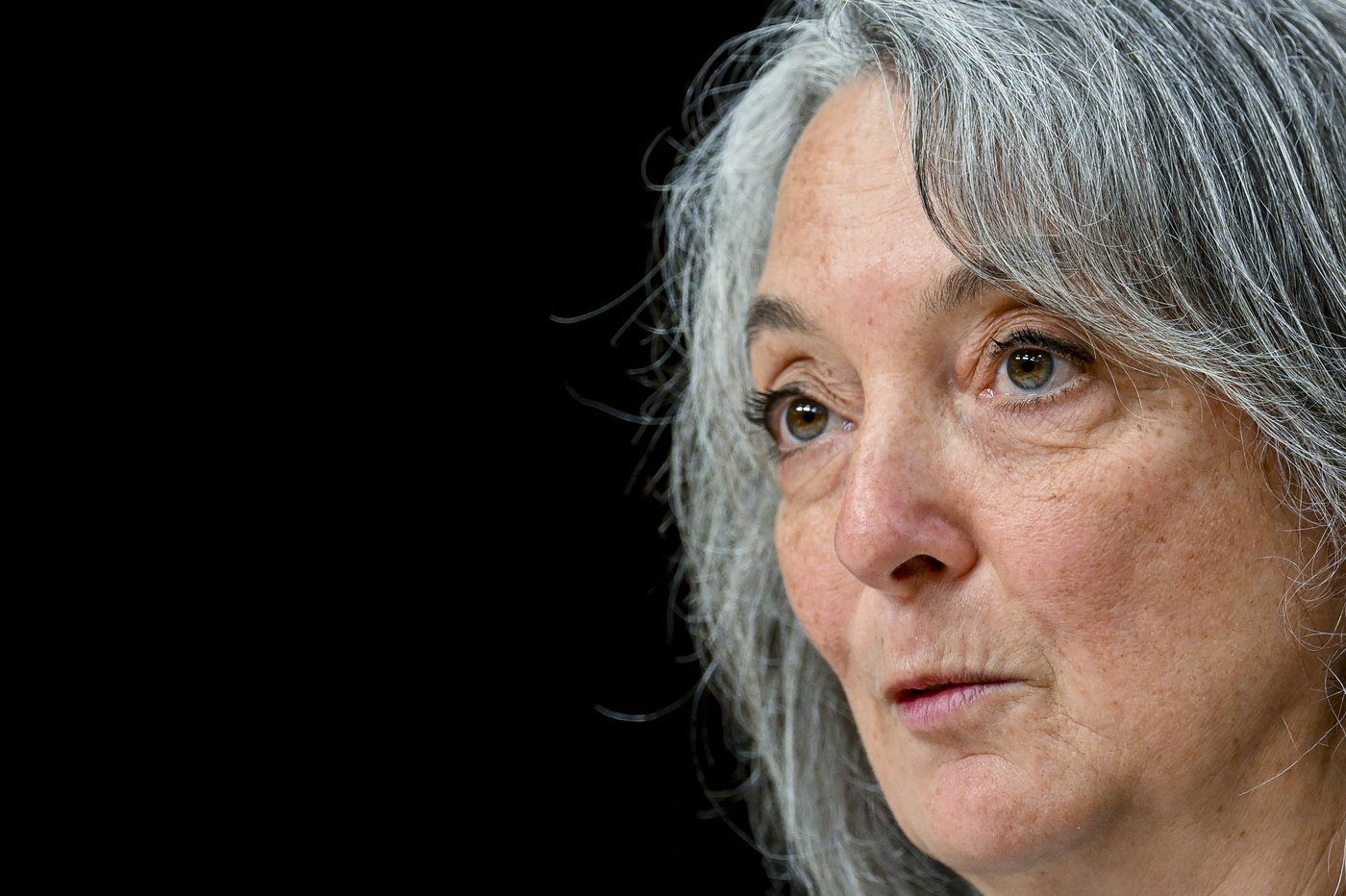
OTTAWA — Environment Minister Julie Dabrusin is being accused of lying by two of her predecessors for saying Canada is still committed to its Paris targets.
Dabrusin is in Antalya, Turkey for COP31, the annual United Nations climate conference.
In an interview with The Canadian Press before the trip, Dabrusin said Canada is “absolutely committed” to its Paris Accord climate commitments. It’s a line the government has maintained despite every report and study over the past 18 months saying Canada is unlikely to meet those Paris targets.
Former environment minister Catherine McKenna said the claim that Canada is still committed to its targets is “factually untrue.”
“Canada now has zero chance of meeting its 2030 Paris commitment and has no path to meet net zero by 2050 (and this is before any new oilsands or LNG),” McKenna, who is also attending COP31, posted on X.
Speaking to The Canadian Press from COP31 on Friday, former environment minister Steven Guilbeault said Dabrusin’s claim to conference delegates that Canada is still committed to its Paris targets “defies reason.”
“I think in general you should tell the truth, and I think as a politician we — I guess I’m no longer a politician — but I always felt that I needed to be genuine with Canadians,” Guilbeault said, pointing to the government’s modelling and reports from the Canadian Climate Institute.
“(Dabrusin) knows that, and she’s seen those analyses. For her to claim that Canada is still committed to meeting the Paris targets, it’s disingenuous and it should have no place in politics.”
Under Prime Minister Stephen Harper, Ottawa promised to bring Canada’s emissions to 30 per cent below 2005 levels.
In 2021, Prime Minister Justin Trudeau’s government increased that target to between 40 and 45 per cent and set a goal of hitting net-zero by 2050.
According to the latest government figures, as of 2024, Canada had only achieved a 10.3 per cent reduction from 2005 levels, with total emissions down 78 million tonnes in 21 years — making it the worst-performing country in the G7. The Canadian Climate Institute’s modelling suggests Canada will not achieve net-zero by 2050.
Prime Minister Mark Carney said in June that Canada’s emissions were likely to rise over the next few years, suggesting Canada has abandoned its 2030 commitments — even if his government hasn’t formally admitted it.
Jerry DeMarco, Canada’s environment commissioner, reported last month that the government’s latest projections indicate Canada will only achieve a emissions reduction of 28 per cent by 2030, taking into account the rollbacks in federal climate policy over the past 18 months.
DeMarco’s report cited the cancellation of the consumer carbon price, the two billion trees program, the oil and gas emissions cap, the electric vehicle mandate and the low-carbon fuel procurement program. The report also cited the decision to weaken the industrial carbon price.
Carney said in June the climate policies introduced under the Trudeau government were too expensive and divisive.
This report by The Canadian Press was first published Nov. 14, 2026
— With files from Mia Rabson
Nick Murray, The Canadian Press