


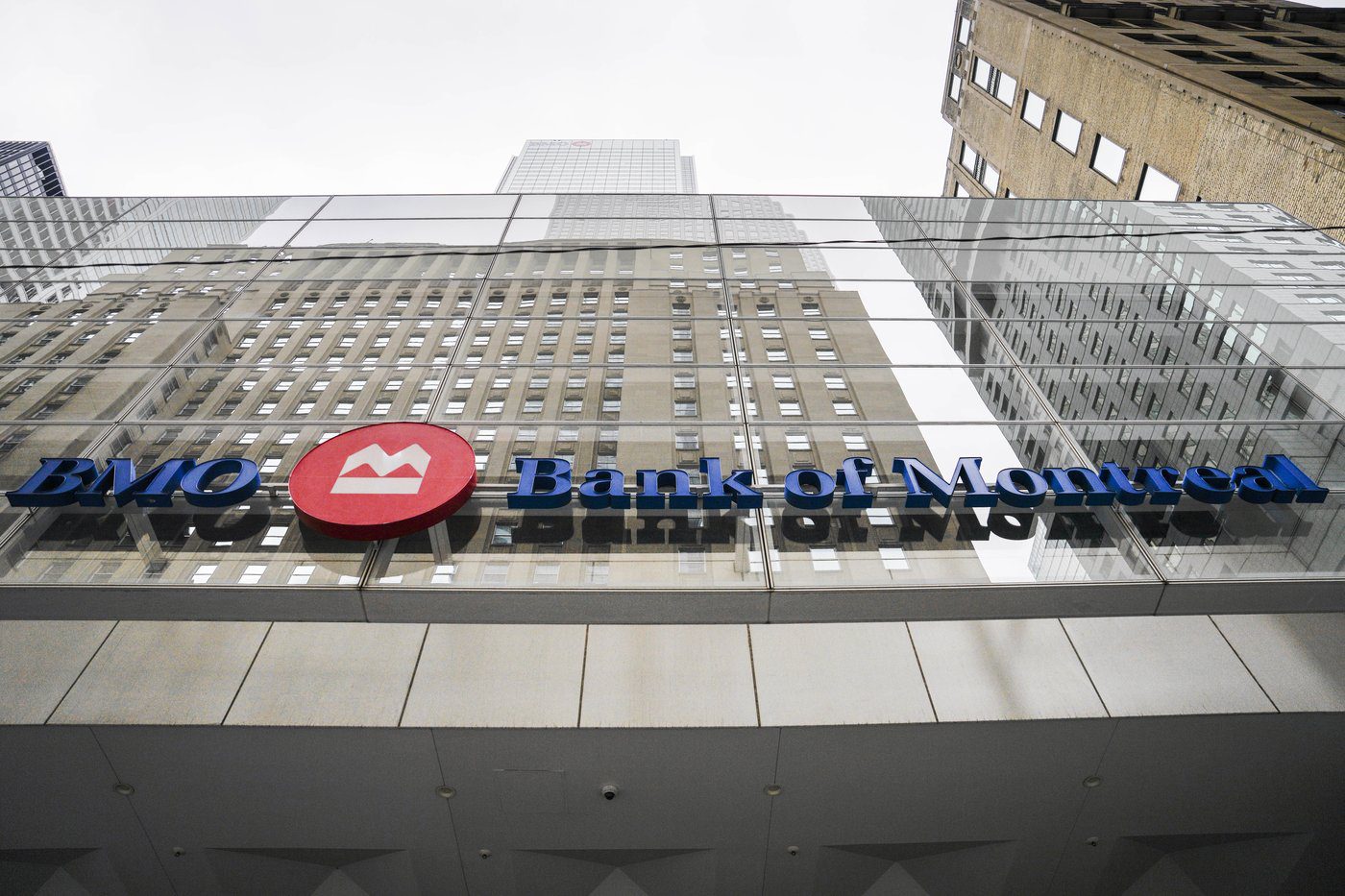
BMO is expanding its focus on defence as the government looks to spend more in the sector as part of its broader build Canada agenda.
Darryl White, BMO Financial Group CEO, said that the lender is “responding to the signal” from Canada’s federal government amid commitments to raise defence spending.
White said the bank has a long history of operating in the defence industry while serving small and large domestic firms.
“We’re taking a strength of ours (and) leaning into it even more heavily than we were before,” he said.
BMO said in a news release Wednesday that it will co-host a defence forum in Toronto with the Institute of International Finance on Thursday. The bank said it will involve bringing finance leaders from the Canadian defence industry to discuss opportunities and challenges.
The announcement marks another step in BMO honing in on defence.
In September, BMO announced plans to mobilize up to $70 billion in new capital over 10 years for key sectors of Canada’s economy, including defence. Other sectors included infrastructure for electricity, energy and transportation as well as oil and gas, mining and AI.
Other large banks have made similar moves.
CIBC has committed $2 billion to support small and medium-sized defence businesses with dual uses in the civilian sector. Meanwhile, TD Bank committed $150 billion over five years to accelerate investment in key industries including defence.
In February, BMO announced it had joined the international Defence, Security and Resilience Bank (DSRB). The bank, spearheaded by NATO countries, is meant to reduce borrowing costs for military spending by pooling credit strength.
All of Canada’s Big Six banks have put their support behind the DSRB.
In an October report, BMO economists forecast that Canada’s pledge to spend five per cent of annual GDP on defence by 2035 would generate about $150 billion in annual economic impact by that year.
“We haven’t seen something that can singularly deliver that much economic impact in this country in a very long time,” White said, adding that he is optimistic it can be achieved.
“Do I think that the probability of getting there is high? Yes, I do because if you look on whether it’s the procurement side of things or the infrastructure side of things, there are commitments that I believe will be kept and we expect to play a very big part of that.”
BMO’s moves come after hundreds of executives and global asset managers assembled in Toronto in September for Canada’s first national investment summit. Prime Minister Mark Carney had set an ambitious goal of attracting $1 trillion in new investment to Canada over the next five years.
White said that foreign investment sentiment in Canada has changed.
“I’ve been watching this for a very long time … over the course of the last couple of years international investors have gotten themselves closer and closer to getting on the field for participation in Canadian investment,” he said.
“The summit, I think was a was a nexus where we could bring people as close to the field as you can get.”
However, he said summits are generally not where deals get done.
“There’s a little bit of romanticizing that goes on around people have summits and cut deals. That’s not really the way it works,” he said.
White said it’s a place where people develop more relationships, get themselves closer to the interest in investing, but deals come when the conditions are right and the term sheets start to flow.
“I don’t think we’re there yet, but we’ve certainly done a good job laying more groundwork than we have otherwise.”
Another sign that BMO is increasing its footprint in the industry was the appointment of Michael Bonner as the enterprise chair of its Canadian defence sector segment. Bonner will also act as a liaison to government agencies and industry associations regarding defence-related financing, export credit, and procurement.
“BMO has the experience, expertise and relationships to help clients of all sizes capitalize on that growth,” Bonner said in a news release.
White’s comments come as he is scheduled to speak at the Toronto Global Forum on Wednesday.
“It brings together leaders from around the world that are shaping their economies and an ability therefore to share best practices against the geopolitical realignment that we’ve got,” he said.
Some of the major themes are AI, energy, infrastructure, finance and defence.
This report by The Canadian Press was first published Oct. 21, 2026.
Companies in this story: (TSX: BMO)
Daniel Johnson, The Canadian Press