



For days and days on end, doctors didn’t know exactly what kind of organism they were up against.
The infection spreading through the 48-year-old Ontario woman was so aggressive, large parts of her heart were destroyed. But all the usual blood work, all the cultures for typical bacterial infections came back negative. Doctors couldn’t fully understand what was feeding the infection.
Until her sister wondered, could it be the rats?
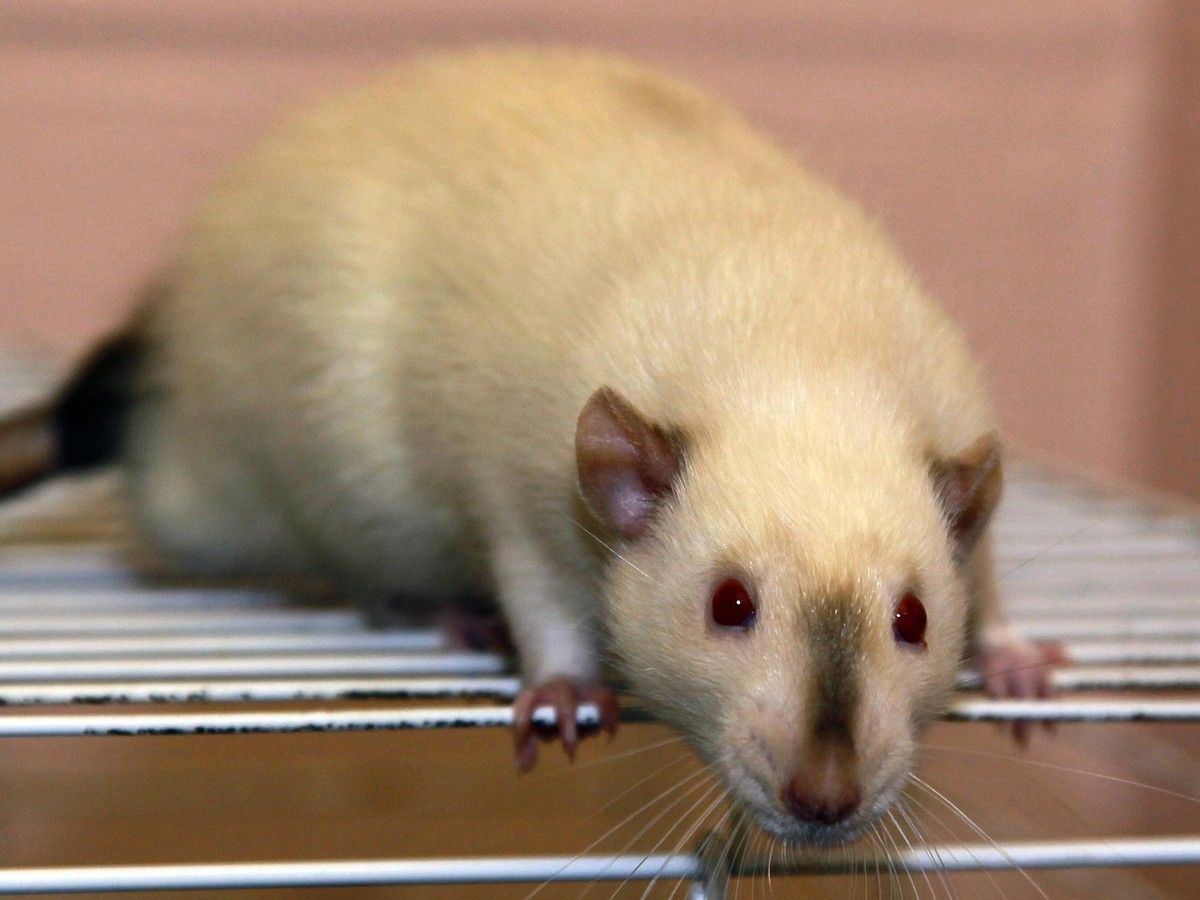
The woman’s death last year, published in a new case report, is being described as the first reported fatal case of rat bite fever that defeated even the most advanced “Hail Mary” form of out-of-body heart and lung bypass.
The case “was a bit of a conundrum,” said cardiologist and intensivist Dr. Craig Ainsworth, chief of critical care at Hamilton Health Sciences, and co-author of the report in JACC, the Journal of the American College of Cardiology.
“Normally, when we have people with that degree of heart and heart valve infection, we usually get something in the blood work,” he said, typically one of the aggressive bugs “that do this sort of thing.”
In this case, everything was negative until weeks later, when valve tissue taken during the woman’s emergency heart surgery was sent for specialized DNA testing, which ultimately identified streptobacillus moniliformis, a bacterium found in the oral, nasal and respiratory tract secretions of rats.
The bug can be transmitted to people via broken skin, bites or scratches, but also from close contact, without a bite or scratch, according to the U.S. Centers for Disease Control. It can also be spread through exposure to contaminated food or water.
Diagnosis can be challenging: the organism is “fastidious, difficult to grow and has limited diagnostic tests available for early detection,” Ainsworth and colleagues wrote in the Sept. 16 edition of JACC Case Reports.
The woman ultimately died, despite being treated with the proper antibiotics. “We just guessed and happened to guess properly,” Ainsworth said, however, the infection was too far gone by the time she was transferred to his ICU.
“It wasn’t obvious to us for days and days what we were actually treating.”
Rat bite fever is a rare infection with an estimated mortality rate of up to 13 per cent if left untreated. The disease often starts with vague symptoms such as fever, rash and generally just feeling unwell, which can delay people seeking medical attention.
The woman was a bit of a “homebody” who kept to herself, Ainsworth said. She had some medical problems, including asthma and inflammatory bowel disease, and was a smoker. “She wasn’t a perfectly healthy 48-year-old, but she was totally functional and ambulatory.”
After six to eight weeks of fatigue, lower back pain, facial flushing and peripheral numbness, the woman went to her local hospital’s emergency department, about 100 kilometres outside Hamilton.
She described worsening diarrhea and fainting spells — spells owing to, in retrospect, “the infection eating into the electrical system of her heart,” Ainsworth said.
Doctors suspected sepsis and started antibiotics, but while in emergency the woman suffered a cardiac arrest. The upper chambers of her heart were no longer communicating with the lower chambers, causing a dangerously slow heart rate.
A temporary pacemaker was inserted. Three days later, a special echocardiogram that involves guiding a thin tube down the throat to examine the heart from inside the esophagus revealed extensive infection of various parts of the heart and valves.
She was referred to a second hospital for urgent, complicated and prolonged heart surgery.
Because of low oxygen levels, doctors couldn’t take the woman off the machine used to take over the function of her heart and lungs during surgery. She was placed on ECMO, or extracorporeal membrane oxygenation, an advanced form of life support.
Her heart muscle continued to deteriorate, and the woman was transferred to Hamilton General Hospital, “still without a specific diagnosis or a bug,” Ainsworth said.
“By the time we received the call, she was at best a Hail Mary; she was very unwell,” he said. But because she was 48 and otherwise fairly healthy, they tried every measure they could.
“She just didn’t get any better,” Ainsworth said.
At one point her sister, from whom she was semi-estranged, remarked to Ainsworth, “You know, I just wonder if it’s related to the rats she has in her house.”
“As a non-infectious disease doctor, I didn’t put two and two together,” he said. “I thought it was like a guinea pig or a hamster, just a little more unusual.
“But when we ultimately got this bug back from the DNA testing, it became clear that almost certainly this was related to her pet rats.”
After several weeks in hospital, the woman succumbed to the infection. Life support was withdrawn “given the unfortunate futility of what we were doing and her worsening, despite all the heroic interventions,” Ainsworth said.
It’s not clear if the rats were purchased or had infested her home. The sister said the rats seemed more like pets. “I don’t think they were just innocent bystanders,” Ainsworth said.
The bacterium S. moniliformis is ubiquitous in all rodents, said infectious disease specialist Dr. Omar Mourad, a co-author of the case report. “It lives in their mouth, in their oral flora. Any rodent — though certainly rats are the famous ones — will have it.
“It’s not harmful to the rats, similar to how we have a number of bacteria in our mouth and on our skin,” he said. But it can cause trouble when it gets into humans.
Despite its name, more often than not rat bite fever is transmitted merely by handling rats, Mourad said.
“Some people like to kiss the rat on the mouth, which I would not recommend,” he said. Or they don’t wash their hands properly after handling the rodents and get the bacteria into their mouth.
“Once it gets in, occasionally it will make its way into the bloodstream and cause more trouble,” Mourad said.
Classic symptoms of infection — rash, joint pain, vomiting and other GI symptoms — typically start three to 10 days after exposure.
Most people who get infected get better on their own after feeling flu-like for a couple of days.
“But you have to get it before it does anything like this,” Mourad said.
Left untreated, severe cases can cause not only endocarditis, as it did in the 48-year-old woman, but also meningitis — infection of the brain and spinal cord.
Although uncommon in Canada, rat bite fever is increasing because of “changing patterns of urban living (more dense urban housing) and pet-keeping practices,” other researchers have warned.
As of 2106, the-then-largest single episode in Canada found 11 cases of reported rat bite fever on Vancouver Island between 2010 and 2016. Seven cases required hospitalization, but there were no deaths “or significant morbidity.”
From the intensive care physician’s perspective, “It comes back to, if something is weird and a bit of a unicorn (exceptionally rare) case, I think it behooves us to dig deeper and start asking questions of loved ones and family members,” Ainsworth said.
“Just by having a conversation with the sister and asking about habits and unusual things, the rats came out, which was helpful information.”
It was the second case of a pet rat infection Mourad saw last year. The other involved a different bacteria called leptospirosis, spread through the urine of infected rats.
The man, who got infected from handling his pet rats, spent a few weeks in hospital “until we figured it out,” Mourad said.
“Fortunately, it ended much better, and the patient did very well,” he said
“As far as I know, he did give away the rats.”
National Post
Our website is the place for the latest breaking news, exclusive scoops, longreads and provocative commentary. Please bookmark nationalpost.com and sign up for our newsletters here.

