



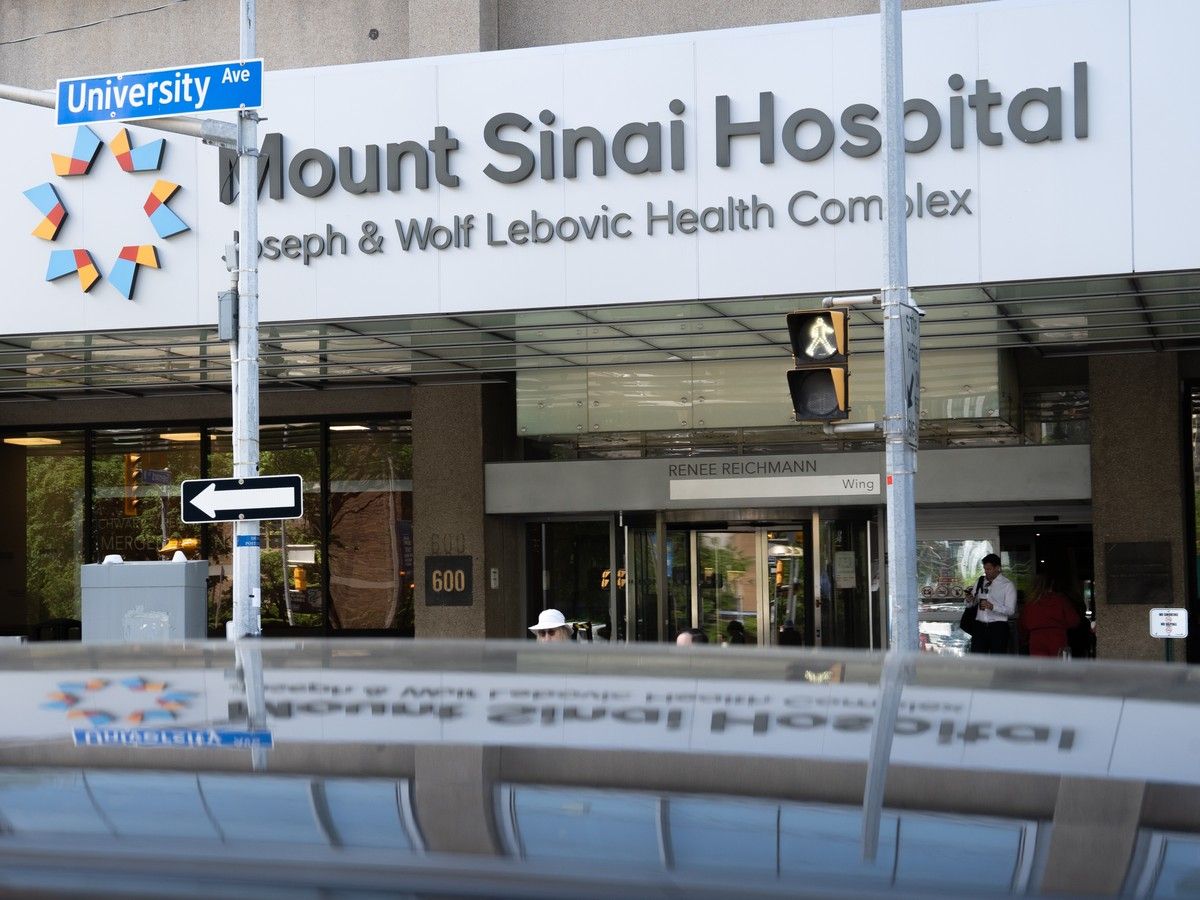
Antisemitism in healthcare education and practice has risen sharply since Hamas’ Oct. 7, 2023 attack, affecting Jewish medical professionals in Canada as well as the U.S., U.K. and Australia, according to a narrative review published in the Rambam Maimonides Medical Journal last month.
The review brings together existing research from the four countries on antisemitism in healthcare professions, including medicine, psychology, nursing, and social work.
Among the studies cited is a 2024 survey of 1,000 Jewish medical professionals in Canada . It found that only one per cent of respondents felt antisemitism was a severe problem in the medical field before Oct. 7, compared to 98 per cent after.
The same survey revealed that 31 per cent had considered leaving Canada because of increased antisemitism in medical institutions and schools.
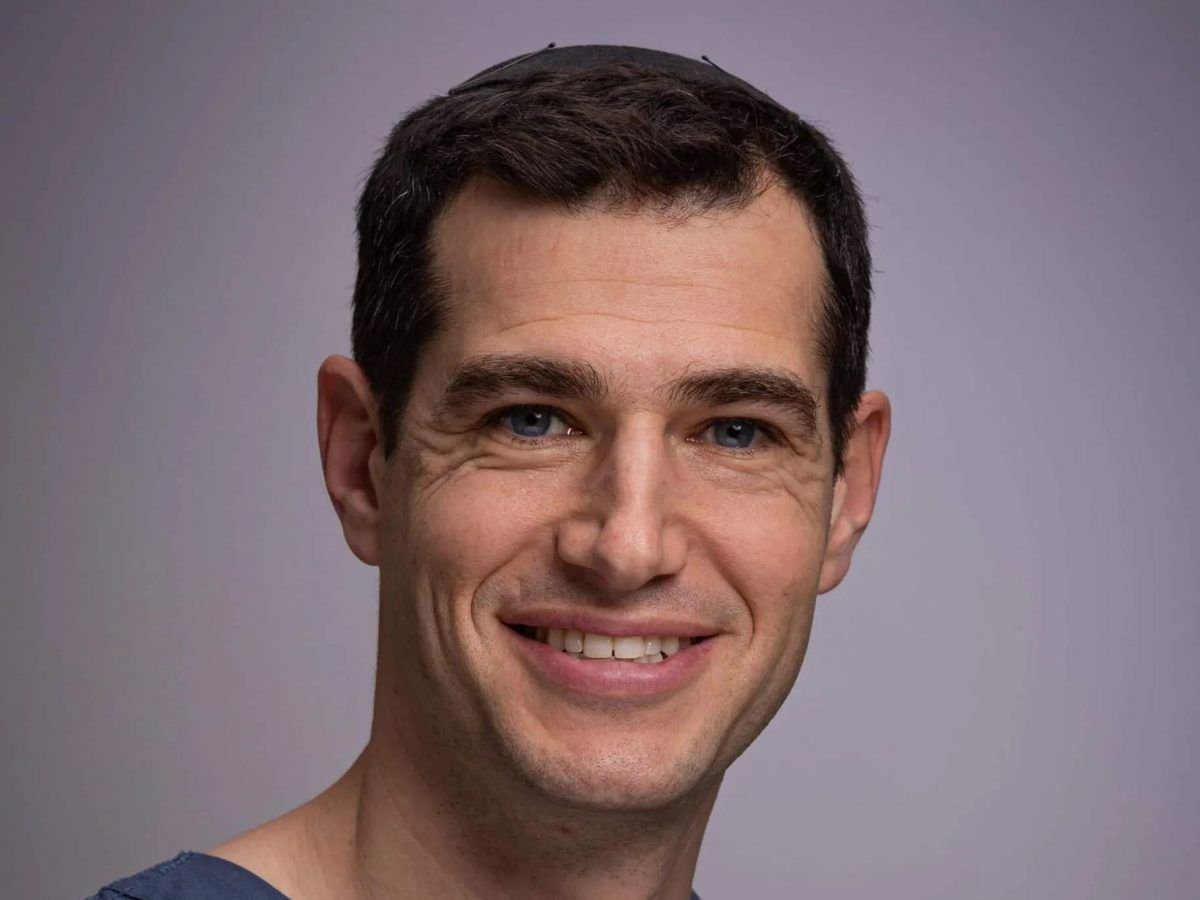
The review comes shortly after Dr. Emmanuel Moss, chief of cardiac surgery at the Jewish General Hospital in Montreal, tendered his resignation in June , citing rising antisemitism in the city as one of the reasons behind his decision to relocate to the U.S.
In a letter published in The Montreal Gazette , Dr. Moss wrote that he had “watched with growing alarm as (antisemitic) incidents have multiplied and the response from authorities has fallen short.”
“What has been most troubling is not only the rise in hateful acts, but the normalization of rhetoric and behaviour that would have been broadly condemned only a few years ago,” he added. “When a community starts to feel unsafe in a city it has helped build, something has gone seriously wrong.”
Outside of Canada, the review highlights more recent studies that have documented rising levels of antisemitism experienced by healthcare professionals.
Surveys of Jewish medical students and physicians in the U.S. found that 88 per cent had experienced antisemitism since Oct. 7, compared to 40 per cent before that date.
More than 35 per cent reported personally directed antisemitic incidents, and over 30 per cent reported face-to-face antisemitic encounters. Nearly half reported exposure to antisemitism on social media, and 21 per cent reported exposure in classes or seminars.
Despite those findings, fewer than two percent said their institutions had incorporated antisemitism education into anti-discrimination training.
Meanwhile, in Australia, a survey of Jewish healthcare students and professionals in Victoria revealed that half felt the need to hide Jewish identity, while around two-thirds knew someone else who felt the same. One-third reported experiencing antisemitism in the workplace, and about two-thirds reported feeling unsafe or uncomfortable.

And in a U.K.-based study, 95 per cent of Jewish healthcare professionals surveyed reported an increase in antisemitism in their daily lives since Oct. 7, 2023. Among respondents who reported an antisemitic incident at work, only 15 per cent believed it had been managed appropriately. Meanwhile, 44 per cent had modified or were considering modifying their professional activities because of increased antisemitism.
The narrative review notes that a search of the scientific literature database PubMed returned 61 records on antisemitism, compared to 732 for diversity, equity and inclusion (DEI) and 3,824 for racism. This, the authors write, suggests that antisemitism was studied 12 times less than DEI and 63 times less than racism since the Oct. 7 attack, despite antisemitic incidents reaching their deadliest level in more than thirty years , according to the J7 Annual Report on Antisemitism.
The authors conclude that the review “illustrates the moral imperative for education, engagement, empathy, and enforcement” regarding Judaism, Jewish identity, the origins and persistence of antisemitism, and the history of health professions’ complicity in the Holocaust.

They also call for mandatory inclusion of these topics in DEI training, along with further research into best practices and assessment of outcomes “to properly address and counter this scourge.”
The review was published shortly before Statistics Canada released data showing that Jews were targeted in 71 per cent of religious hate crimes in Canada last year . While this represented a 16 per cent decline from the previous year, it remained 50 per cent higher than in 2022.
Later in July, the J7 report documented more than 23,000 antisemitic incidents across its member regions, including Canada, which together comprise more than nine-tenths of the global Jewish diaspora.
“Canada remains one intelligence failure away from a mass casualty event, and that is something the Jewish community is keenly aware of,” said the Centre for Israel and Jewish Affairs in the Canadian portion of the 52-page report.
Last week, two Jewish-owned businesses in Toronto were attacked — one location of Kiva’s Bagel Bar was sprayed with gunfire and another had a window broken — while Nöam restaurant in Montreal burned to the ground on the weekend in a suspected case of arson.
Our website is the place for the latest breaking news, exclusive scoops, longreads and provocative commentary. Please bookmark nationalpost.com and sign up for our newsletters here.

