


OTTAWA — The 2026 wildfire season has been manageable so far, largely because of significant amounts of rain across Western Canada, but federal officials cautioned Thursday the summer forecast is hotter and drier than normal in much of the country.
“Much of the area burned this year has occurred in the past 10 days,” said Yan Boulanger, a forest ecology researcher with Natural Resources Canada, speaking at a regular briefing on Thursday.
The southern Prairies and eastern Quebec have had more rain than usual this year, and it’s expected that above-average precipitation will continue in Alberta and the Northwest Territories.
Forecasts for July and August are calling for higher than usual temperatures for Ontario, Quebec, northern parts of the Prairies and the territories. The fire risk is considered highest around Hudson Bay, where rainfall amounts are also projected to be lower than average.
The latest information from the Canadian Interagency Forest Fire Centre shows there have been 3,100 fires across the country so far this season, compared to around 2,900 at this time last year.
As of Thursday 796 of those were active fires, and 60 were considered out of control.
But the total area burned this year is less than last year, at around 12,000 square kilometres, down from 46,000 square kilometres.
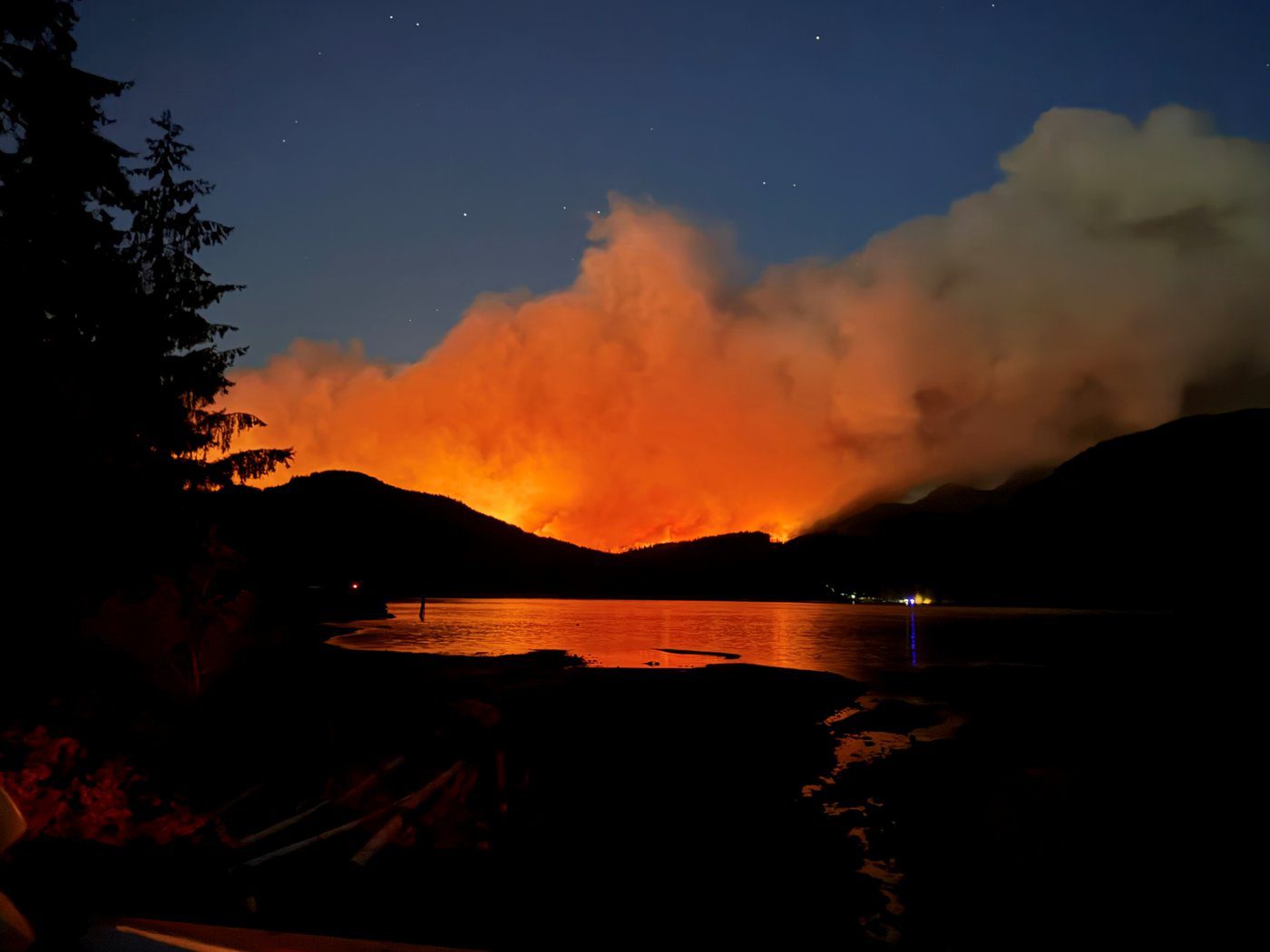
In British Columbia, a pair of fires near the community of Boston Bar now cover more than 200 square kilometres, have destroyed several buildings and forced evacuation orders for hundreds of properties.
Officials said while the overall fire activity in B.C. is “much weaker” this year than it has been in recent summers, the risk is expected to increase through August.
So far, the province is handling the fires with its own resources and none of the provinces or territories have made a request for federal help with wildfires.
Emergency Management Minister Eleanor Olszewski said the new fleet of 10 federally funded aircraft have all been deployed multiple times across the country.
Manitoba has asked for federal assistance in dealing with severe flooding, and the Canadian Armed Forces are among the agencies responding.
“The situation in Manitoba underscores what we all know already: disasters are becoming more frequent, more severe and more costly,” Olszewski said.
She said Canadians are increasingly feeling the impact of climate-related disasters.
Olszewski and Alberta MP Corey Hogan, parliamentary secretary to Energy and Natural Resources Minister Tim Hodgson, defended the federal government’s climate policies.
Last week, Prime Minister Mark Carney announced details of a proposal to build a new oil pipeline from Alberta to the West Coast, and released a video explaining that Canada does not expect to meet its emissions reduction targets.
“Of course, a number of steps have also been taken by the federal government with respect to emissions reductions,” Olszewski said, noting the Alberta pipeline project also includes a carbon capture and storage project.
Hogan said climate change is “the defining issue of our time, there’s no question about that” and added the government is committed to net zero by 2050.
The 2025 wildfire season was the second-worst on record, with more than 89,000 square kilometres burned across the country. That followed a record season in 2023, when the total area burned in all 13 provinces and territories was more than double any other year since 1983.
By late May of 2025, the country was at a Level 5 agency preparedness level — the highest — and remained there until late August. It is currently at a Level 4.
Federal officials also warned that flying a drone near a wildfire is illegal, after reports this week that firefighting activities had to be paused in northeastern Ontario because a drone was flying in an area where water bombers were operating.
This report by The Canadian Press was first published July 9, 2026.
Sarah Ritchie, The Canadian Press

