


MONTREAL — A luxury tax on cars, planes and boats yielded more than $900 million before it was scaled back amid concerns about the negative effect on manufacturers.
In the two fiscal years between 2023 and 2025, the tax on pricey conveyances was pouring nearly $390 million a year into federal coffers — well over double the forecast from the Parliamentary Budget Office — according to figures obtained through an access-to-information request by The Canadian Press.
Backers of the tax say the windfall amounts to an unexpected success that vindicates the full levy and shows that wealthy individuals are more willing to spend on big-ticket items than authorities had presumed, despite the higher price tag. Critics argue that parts of the tax hurt key industries by discouraging purchases and fail to hold up under cost-benefit analysis, calling for a complete rollback.
Taking effect in September 2022, the measure imposed a 10 per cent tax on the full value of cars and planes priced over $100,000 and yachts over $250,000. Its purpose was to “ask those who have prospered … to do a little more to help those who have not,” the 2021 federal budget stated.
The program brought in $913.4 million between autumn 2022 and March 2025 — and likely hundreds of millions more since — according to the Canada Revenue Agency figures.
The Liberal budget last fall ended the tax on aircraft and vessels, saying the move would “provide relief to the aviation and boating industries.” The tax on vehicles remains.
The vast majority of the tax revenue wound up stemming from auto sales, while private jets and yachts accounted for less than expected, the latest federal budget suggests. That means Ottawa will likely continue to reap hundreds of millions of dollars per year from the scaled-down levy.
“It’s a surprise blockbuster hit, raising money while pulling it out of the pockets of those folks that can afford to pay a little bit more,” said David Macdonald, senior economist at the Canadian Center for Policy Alternatives.
“We really underestimate the wealth that exists in the Canadian economy.”
He remained unconvinced that the weaker-than-predicted revenues from planes and boats — possibly due to the tax’s deterrent effect — justified abandoning that slice of the program.
“It’s not as if the aircraft and vessel side is bringing nothing in,” Macdonald said.
According to 2025 budget numbers, revenue for the scrapped portion was projected to yield $31 million on average per year over the next four years. That figure falls short of initial forecasts of $49 million from planes and boats for the coming year, but far surpasses annual administration costs for the entire program of about $18 million.
“The government is once again leaving money on the table at a time when it is crying poor repeatedly,” said Jared Walker, executive director of Canadians for Tax Fairness.
Others say that scale-down was overdue — and incomplete.
If the goal is to redistribute wealth from the rich to those in greater need, the program falls short, argued Kathy Brock, a professor at Queen’s University’s School of Policy Studies.
“There is no way to track whether the money was redistributed for this purpose,” she said. “It failed on this measure.”
The tax technically applies to vendors, not purchasers. With no guarantee the cost will be passed on to customers, the policy fails to ensure wealthy buyers bear the burden, critics said.
Consumers could also sidestep the levy by simply putting their cash toward other extravagances.
“Why should rich people pay different taxes based on whether they want to spend their money on cars or vacations?” asked Matthew Lau, an adjunct scholar at the Fraser Institute.
He argued the wealthy pay too much as it is, and that additional financial burdens weigh on economic activity and ultimately on workers.
“If people are buying fewer luxury cars, because now it’s taxed, there’ll be fewer jobs making these cars and fewer jobs fixing these cars,” Lau said.
Niche but highly visible Canadian sectors with deep roots in the country have also cried foul.
Bombardier Inc. CEO Éric Martel said last fall the tax hit had prevented more than a half-dozen sales of its business jets, whose list prices sit between US$26 million and US$78 million.
Some would-be buyers may have been turned off by confusion over whether they face the tax in the first place, since it did not apply to aircraft when 90 per cent or more of the plane’s flight time was for business rather than personal use.
“They would fear that they don’t meet the conditions. They don’t want to pay the taxes so they’ll buy some other product or postpone or keep their old plane for longer,” said Jacques Roy, professor emeritus of transport management at HEC Montreal business school.
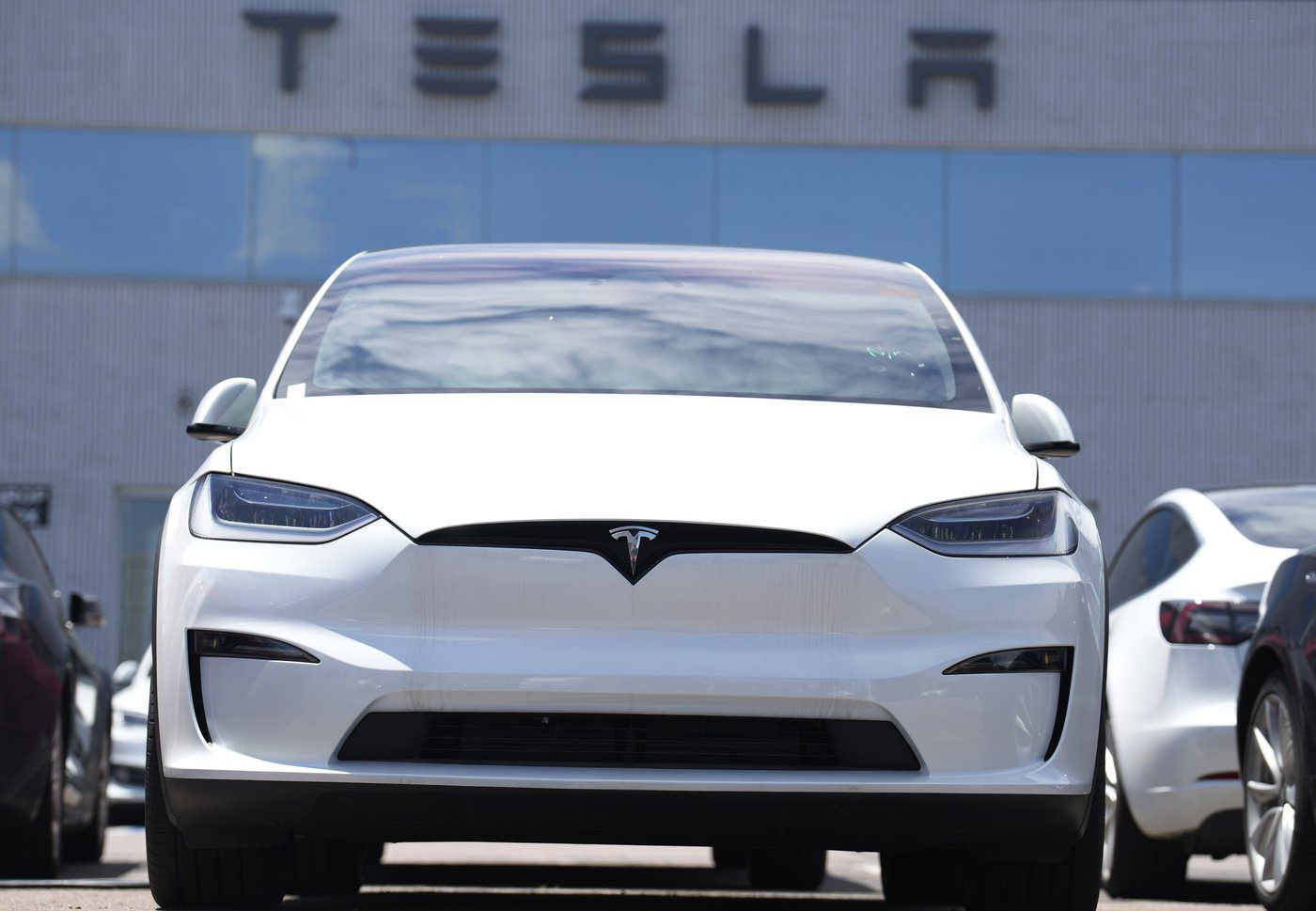
Other criticisms view the tax was a symbolic move by the Liberal government under then-prime minister Justin Trudeau, and that it works at cross-purposes to policies encouraging purchases of electric and hybrid cars — Tesla’s electric Model X SUV starts at $170,000.
“The tax was more of a virtue-signalling endeavour than a serious commitment,” claimed Brock.
With the tax rollback in place, that signal has now dimmed.
This report by The Canadian Press was first published June 19, 2026.
Companies in this story: (TSX:BBD.B)
Christopher Reynolds, The Canadian Press

