


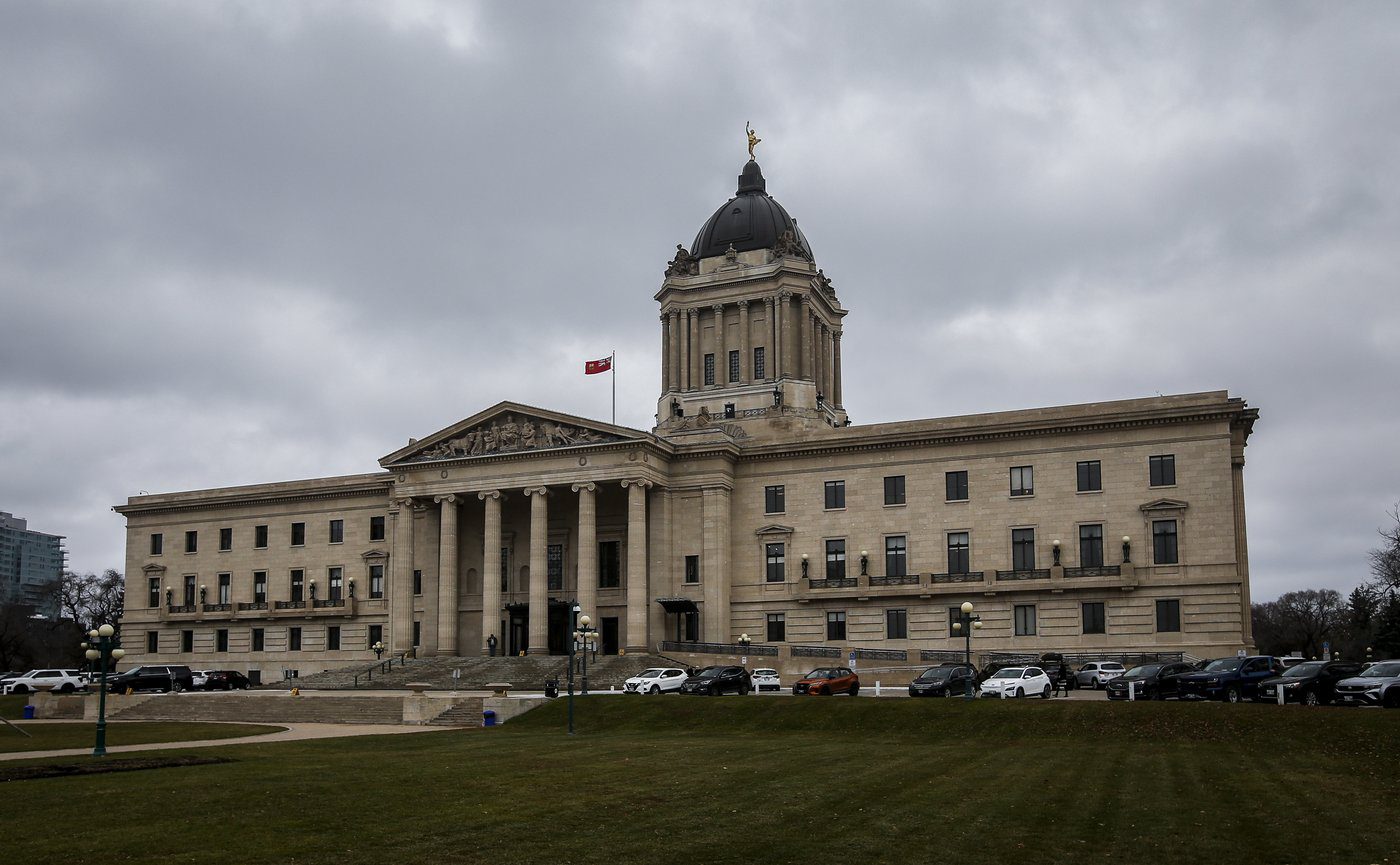
WINNIPEG — The Manitoba government is facing calls to contain rising education property taxes.
Two Winnipeg city councillors have issued a report that says school divisions in and around the city have raised property taxes between 24 and 43 per cent over the last four years.
School divisions set their taxes, which are collected by the city on municipal tax bills and accounted for by the province.
Coun. Jeff Browaty says school taxes are rising much faster than the city’s property tax.
The Opposition Progressive Conservatives say the NDP government needs to offer some relief to property owners, because taxes are rising faster than a provincial credit available for homeowners.
Finance Minister Adrien Sala says the government recently raised the annual credit to $1,600 from $1,500, but school divisions need money after years of tight fiscal restraint under the former Progressive Conservative government.
“We’re finally correcting that by providing adequate funding,” Sala said Tuesday.
Other recent reports point to the extent of tax increases for property owners in Manitoba.
The latest monthly inflation numbers from Statistics Canada say overall property taxes, including both school and municipal levies, were up 19.5 per cent in Manitoba in February compared to the same month last year. The increase was more than double the rate of any other province.
The government’s latest fiscal update, in December, said education property tax revenues were set to come in at $1.1 billion this fiscal year — up 34 per cent from the last fiscal year.
“The NDP has offered only Band-Aid solutions,” said Progressive Conservative finance critic Lauren Stone.
Soon after being elected in 2023, the NDP government lifted a two per cent cap that the previous Tory government had imposed on school board tax increases.
It also revamped the financial relief offered to property owners. The NDP eliminated a 50 per cent rebate on education taxes and replaced a $350 credit for primary homeowners with a $1,500 credit.
The change meant savings for people in lower-value homes and higher net taxes for people in many middle- and higher-value homes, where a 50 per cent rebate had been more substantial.
This report by The Canadian Press was first published March 17, 2026.
Steve Lambert, The Canadian Press