


OTTAWA — Some First Nations chiefs are demanding answers from Ottawa after the federal government signed a pipeline agreement with Alberta that failed to make any mention of fresh water.
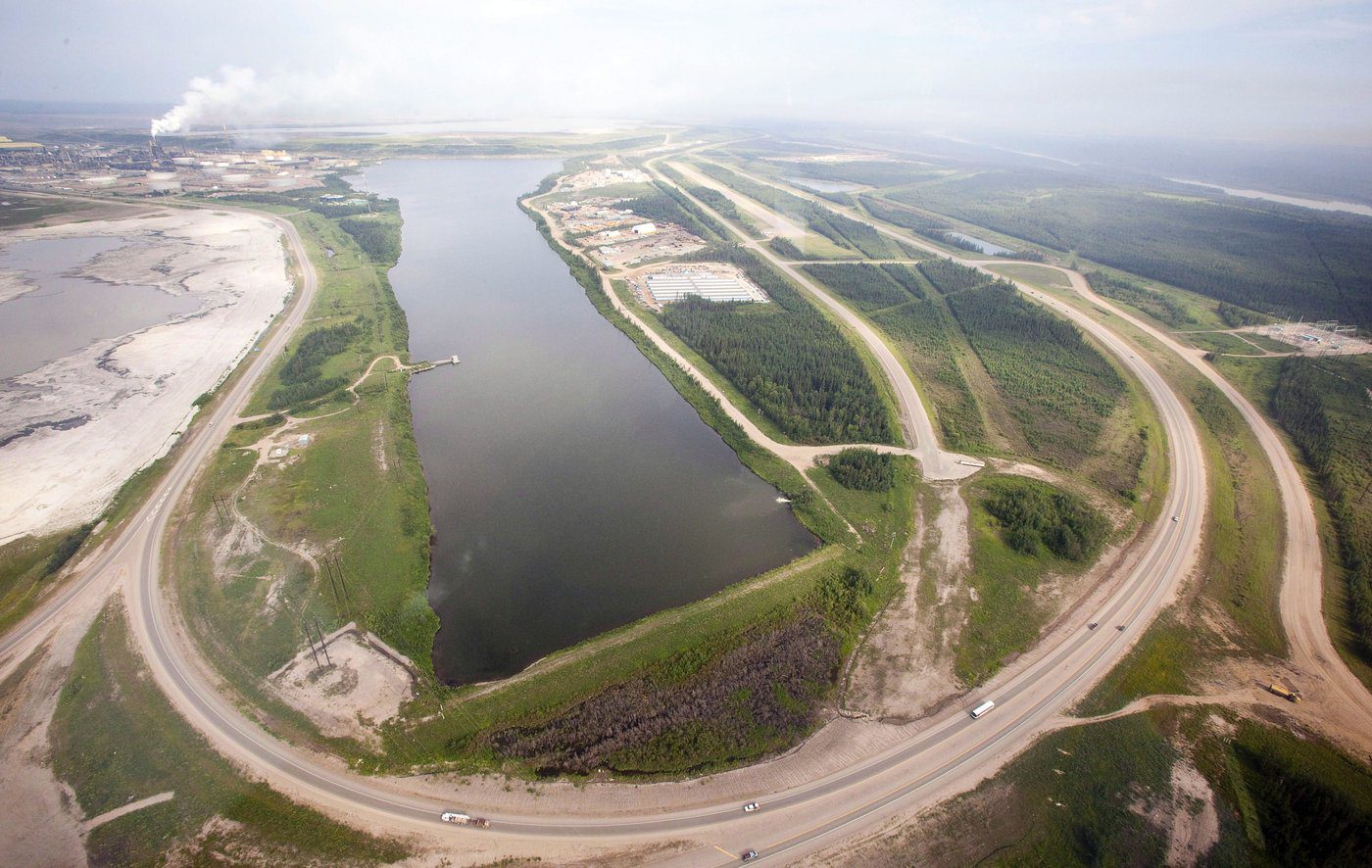
The memorandum of understanding — which opens a door to building a pipeline to transport bitumen from Alberta to the B.C. coast — does not touch on the high level of water consumption required to pull bitumen out of the oilsands. It also doesn’t mention the threat to fresh water sources posed by the tailings ponds oilsands operations leave behind.
In 2021, the federal government launched the Crown-Indigenous Working Group to develop options alongside affected First Nations and Métis communities to manage and remediate the heavily polluted tailings ponds.
The Privy Council Office did not respond directly when asked why water was not part of the agreement with Alberta, or whether the major projects office will require water quality standards and the treatment of effluent in Alberta’s proposal.
It instead stated again the major projects office will work with Indigenous communities and the federal government commits to upholding the United Nations Declaration on the Rights of Indigenous Peoples.
One Indigenous water watchdog group projects in a new report that tailings ponds in Alberta could cover an area larger than neighbouring First Nations by 2070.
“For the Nations that have long cared for these waters and whose treaty rights affirm their continued relationship to the land, this comparison makes clear the magnitude of the encroachment and the risks carried forward into the future,” said the report released last month by Keepers of the Water.
The federal-provincial agreement was signed just weeks before Indigenous Services Minister Mandy Gull-Masty — during an interview with The Canadian Press — declined to commit to including source water protections in a long-promised First Nations clean drinking water bill.
Source water protection was included in a previous version of the legislation, introduced by former prime minister Justin Trudeau’s government. That bill failed to pass before Parliament was prorogued last year.
Provincial governments in Alberta and Ontario objected to that legislation, saying it could affect their ability to pursue development. First Nations leaders, meanwhile, demanded that Gull-Masty not bow to the demands of the provinces.
The only mention of water in the agreement with Alberta has to do with a prospective pipeline’s path to the Pacific coast. The agreement says exporting bitumen through a deepwater port in B.C. to Asian markets could require the termination of an oil tanker moratorium that has been law since 2019.
Coastal First Nations president Marilyn Slett said she called on Prime Minister Mark Carney in a meeting last week to maintain and protect the oil tanker moratorium, warning that “it would take just one spill to destroy our way of life.”
Chiefs in Alberta are particularly concerned about tailing ponds, which have a history of leaking into their water sources. One tailings pond leak went unreported for nine months in 2022.
Trevor Mercredi, grand chief of Treaty 8 First Nations in Alberta, said he doesn’t think environmental protections and water safety are top priorities for government and industry right now.
“I don’t know if they’ll ever deal with it,” said Mercredi, who also serves on the Indigenous advisory council in the federal government’s major projects office, which will review the eventual pipeline proposal.
He said the federal government just wants “to get through these projects” and deal with the fallout later.
Keepers of the Water executive director Jesse Cardinal said the federal government’s ambitions for the energy sector are running up against a hard limit on available water.
“The tailings ponds are biggest they’ve ever been. They’re twice the size of the city of Vancouver … We don’t have the water for these pipe dreams that the Alberta government has,” Cardinal said.
She said Indigenous Peoples aren’t the only ones threatened by excessive water consumption — farmers who depend on irrigation and Albertans who want to see their kids grow up in a safe environment also need to take notice.
“We cannot continue the way we’re going without conserving …” she said. “We’re not saying we want (Canadians) to be unemployed and destitute. But we’re all going to be destitute if we don’t work together. It’s inevitable.”
The federal government committed $12 million over 10 years for the Fort Chipewyan Health Study to examine the impacts of the oilsands on community members’ health.
When the funding was announced in 2024, a news release said the study could determine whether there are heightened risks of cancer or other health impacts in communities downstream from oilsands operations. Indigenous communities along the Athabasca River point to elevated cancer rates in their communities.
“We couldn’t wait for external funding support. The number of issues were piling up and the concerns of our community members are serious. We needed to act,” Mikisew Cree First Nation Chief Billy-Joe Tuccaro said at the time.
Mikisew Cree First Nation and Keepers of the Water have for years raised the alarm over tailings ponds and the lack of progress on cleaning them up. They’re holding a conference in March to discuss the issue and have invited Prime Minister Mark Carney to attend.
A discussion paper on managing tailings ponds was published last February by Environment and Climate Change Canada. It was developed in partnership with the Crown-Indigenous Working Group.
“The (Crown-Indigenous Working Group) is committed to understanding the potential impacts and risks of all options and ensuring that any impacts to treaty and Aboriginal rights resulting from the potential release of oilsands mining effluent are thoroughly assessed, understood and avoided,” the paper said.
“The CIWG process is part of the consultation process the federal government is undertaking with potentially impacted Indigenous communities, exploring alternatives that avoid, accommodate or mitigate impacts.”
This report by The Canadian Press was first published Jan. 21, 2026.
Alessia Passafiume, The Canadian Press

