



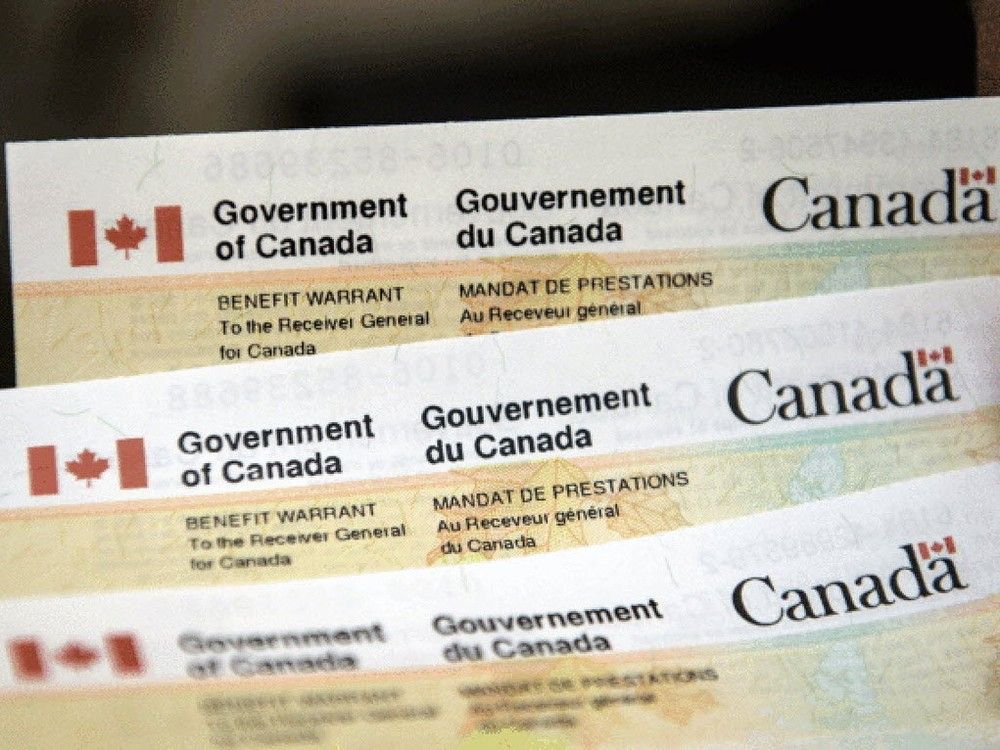
As a new year nears, Canadians can look forward to more money from Ottawa. Annual increases in some federal government benefits and credits are coming based on its practice (since 2018) of indexing these amounts to keep up with inflation.
In 2026, the
, based on the
.
Here are some of increasing benefits and credits:
Ottawa sends out the
payments in January, April, July and October to help recover some of the sales tax they pay on everyday items. For the 2026-27 benefit year, the
maximum credit for a single adult
is increasing to $544. Couples can receive up to $712, plus an additional $187 for each child. This credit follows a July-to-June benefit year, so your increase will come into effect in July, based on this year’s tax return. There are still two more payments left for the current benefit year, in January and April.
The
is a monthly tax-free payment that helps parents and guardians cover the cost of raising children. It’s based on household income, how many children in a parent’s/guardian’s care and their ages. Starting in July 2026, the
maximum annual CCB will incre
ase
to $8,157 per child under age 6 and $6,883 for kids aged 6 to 17. That’s a yearly boost of $160 and $135, respectively, over this year’s rates. The new amounts work out to a maximum of $679.75 a month for younger kids, and $573.58 monthly at age 6 and above. These new rates take effect in July, with the first monthly payment set to arrive on July 20, 2026.
The
is a tax-free supplement paid monthly for families raising a child under 18 with a severe, prolonged disability. For the 2026-27 benefit year, the maximum Child Disability Benefit amount is increasing to $3,480 per eligible child — up from $3,411 this year. That works out to a maximum of $290 per eligible child each month. These changes will take effect with the start of the new benefit year in July. The updated amounts will show up in your monthly CCB payment on July 20, 2026, based on your 2025 tax return.
The
is a refundable tax credit that supports low-earning Canadians. (Non-refundable credits which can only reduce your tax bill to zero, while refundable credits are paid out in full.) The CWB is tied to the tax year, so the increase in 2026 will actually reflect last year’s inflation-based increase of 2.7 per cent. The
for single individuals with no children will be $1,665 in 2026, up from $1,633 in 2025. The maximum benefit for families will be $2,869 in 2026, up $56 from $2,813 in 2025. The maximum CWB disability supplement (available to Canadians who qualify for the disability tax credit) will increase by $17 from $843 to $860 in 2026.
The
is a new monthly payment introduced in July 2025 to support working-age adults with disabilities. It’s available to Canadians aged 18 to 64 who are approved for the Disability Tax Credit, and the amount you receive depends on your income. The maximum annual payment now is $2,400, or $200 per month. Like other benefit increases that follow the benefit year, going forward it will go up each July. Assuming a two per cent increase, the new maximum for 2026-27 would be roughly $2,448 annually — or $204 per month. The first CDB payment at the new rate is set to land on July 20, 2026.
The
is a monthly taxable benefit. The amount depends on your contributions while working, how long you’ve paid into the system, and when you start collecting. Once you’re eligible, you’ll receive payments for life. CPP benefits are indexed every January to keep up with inflation. For 2026, Service Canada has announced that payments are increasing by two per cent, based on the consumer price index.
is a monthly pension payment from Service Canada for Canadians aged 65 and up. Unlike other pension programs like the Canada Pension Plan, your work history is not a factor in OAS eligibility. OAS is reviewed four times a year — in January, April, July and October — and adjusted as needed to keep up with inflation. The payment amount won’t go down, even if the cost of living does.
Our website is the place for the latest breaking news, exclusive scoops, longreads and provocative commentary. Please bookmark nationalpost.com and sign up for our daily newsletter, Posted, here.