


If I hated my country so much that I felt compelled to burn its flag, I’d like to think I’d also have the courage of my convictions to book a flight out. We all have criticisms of where we live — sometimes a long list. Your country is much like your family: annoying, infuriating and, yet, still yours (even if you did try to leave them in the airport that one time).
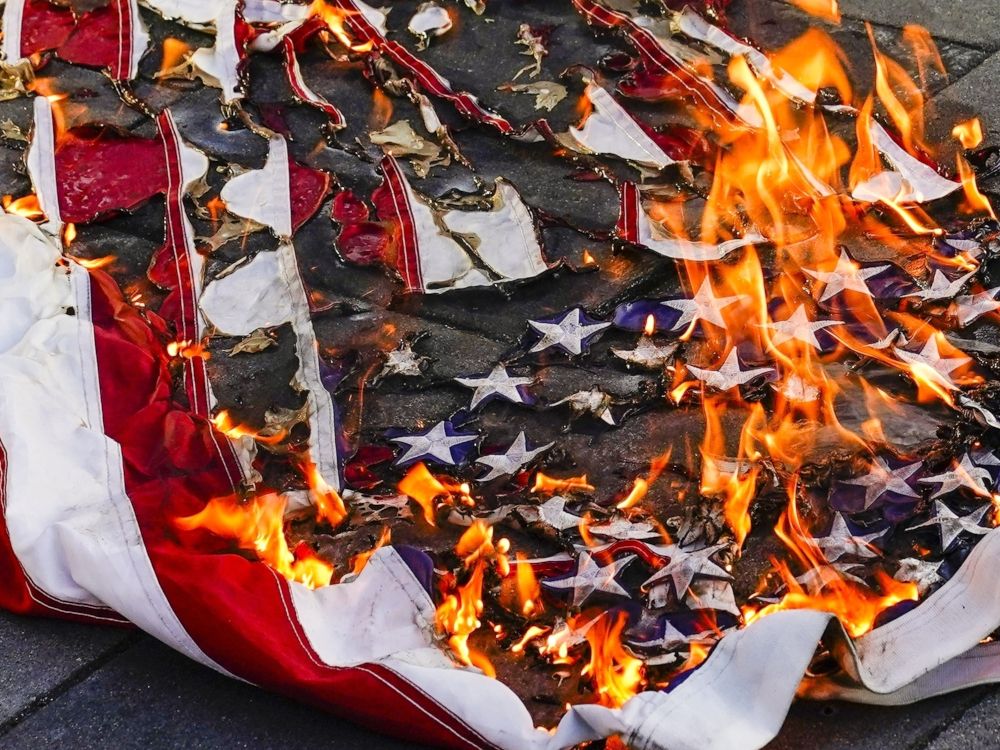
But burning a flag feels different, almost violent. It isn’t just a matter of words — it’s an act. A physical one. A visceral one. And it seems to reject not just a policy or a leader, but the very idea of the nation itself, right down to the symbol of its identity. And yet, for some people, that’s the whole point.
A few days ago, U.S. President Donald Trump signed an
directing the Department of Justice to prosecute flag-burning cases, calling the Stars and Stripes “the most sacred and cherished symbol of the United States of America, and of American freedom, identity and strength.” He even claimed that desecrating the flag is an act of “contempt, hostility and violence” that may incite riots.
(A man who
set the flag on fire in protest of the order
has already been arrested, after being detained “for igniting an object” and then being turned over to U.S. Park Police, which said the arrest was for illegally lighting a fire in a public park, not specifically burning a flag).
The order anticipated the chorus of objections over free speech and First Amendment violations by insisting that the Supreme Court has never protected flag burning when it amounts to “fighting words,” or when it is “likely to incite imminent lawless action.”
The problem is that “likely to incite” is a slippery standard. Almost any words we speak — especially more controversial ones — have the potential to provoke confrontation. Like cheering for the wrong hockey team in the wrong place at the wrong time. In American constitutional law, speech only loses protection when it meets the very high threshold of incitement to violence.
Most flag burnings, however distasteful, don’t meet that bar. They are symbolic protests meant to shock or draw attention, not to cause physical harm. Many have been conducted peacefully. And these days, most of the flags are made in China, anyway.
Historically, though, this hasn’t always been recognized. Laws against flag desecration began appearing during the U.S. Civil War, and
the Flag Protection Act in 1968 in response to Vietnam War protests. But in 1989, in
, the U.S. Supreme Court
that flag burning is indeed symbolic expression, fully protected by the First Amendment.
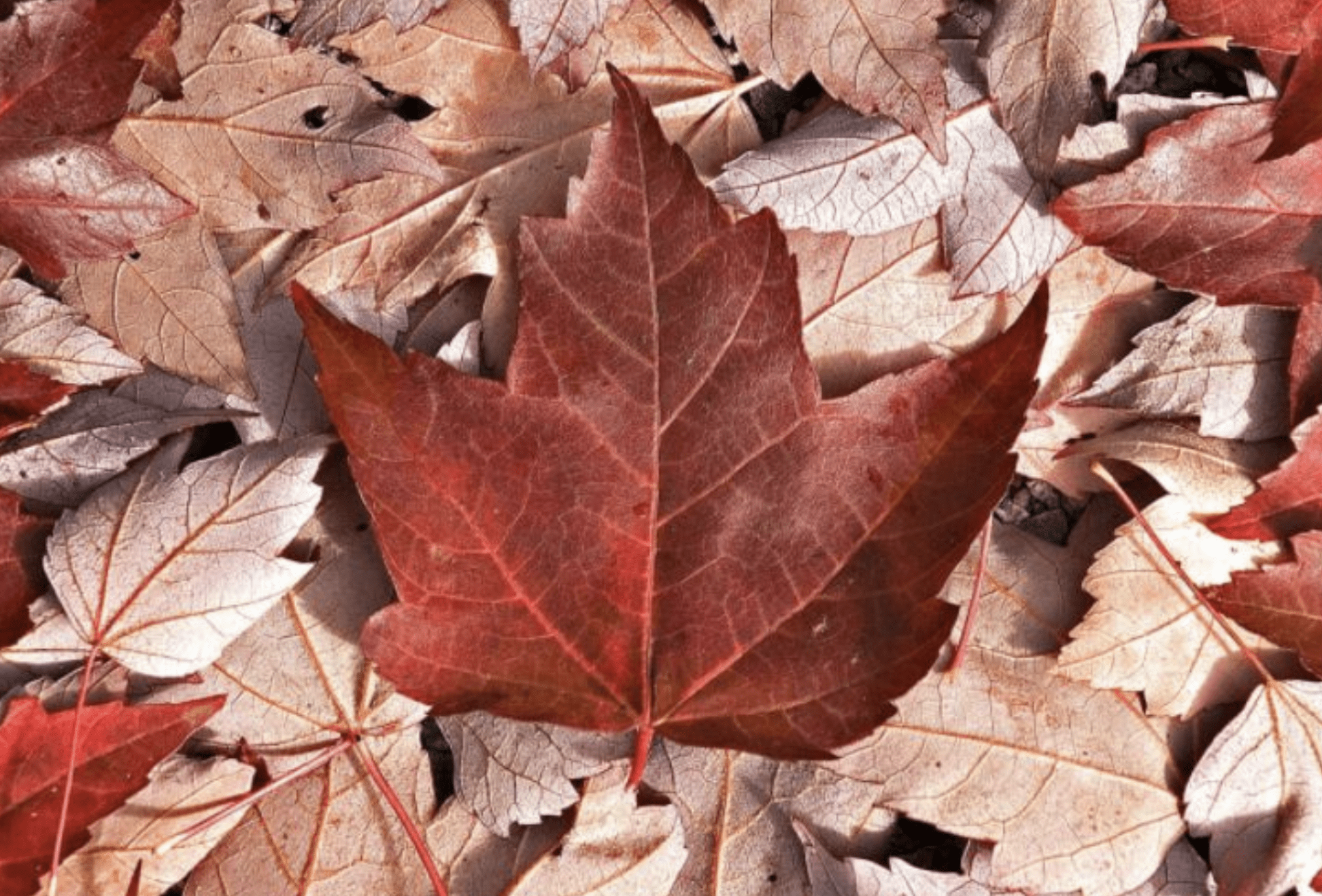
Canada has taken a similar stance. This country
against burning the flag, and such an act is likely protected under the Charter — though one imagines that any self-respecting Canadian protester would at least apologize for the smoke and offer passersby a complimentary Tim Hortons double-double for the inconvenience.
Nevertheless, a
circulated in Parliament in the late 1990s proposed making it a criminal offence to desecrate the Canadian flag, but did not pass.
Ontario also considered a flag-burning law
recently, but scrapped it after receiving push-back
It is quite likely that Trump’s executive order is meant to challenge the 1989 ruling in hopes that a more conservative Supreme Court will overturn it. But doing so would be a dangerous step backward for anyone who values freedom of expression, no matter how shocking or offensive that expression might be — which is kind of the point. Otherwise, the First Amendment becomes a popularity contest.
A useful test is this: take the government you distrust the most, the one you didn’t vote for, and ask yourself whether you’d be comfortable granting it the authority to decide which words, symbols or gestures are too offensive for you to utter? If you only want protection for speech you approve of, you’re not asking for free expression, you’re asking for a government-approved playlist.
Of course, limits exist: incitement to violence, destruction of property and threats to public safety are not protected. But burning your own flag in protest, while offensive to many, dramatic and quite frankly a waste of perfectly good polyester, is still simply a form of political speech.
As a way of communicating ideas, is flag-burning the most helpful, constructive path to change? Nah. I doubt anyone, anywhere, has stared at a burning flag and thought, “Ah, yes, now I understand your policy point.” It’s performative, confrontational and just a tad melodramatic.
But here’s the thing: it doesn’t matter what you or I think. Defending the rights of flag burners isn’t an endorsement of their tastes, their politics or their pyrotechnic skills. It’s an endorsement of something far more important: the right of citizens not to live in fear of their own government simply for expressing themselves.
And for those who don’t enjoy flag burnings all that much, don’t worry. At least here in Canada, it’s hardly a year-round activity. Good luck trying to light a fire in February. You’ll either get rained on, or spend an hour just keeping your lighter from freezing to your hand.
National Post
Twitter.com/
Katherine Brodsky is a journalist, commentator and the author of ”No Apologies: How to Find and Free Your Voice in the Age of Outrage—Lessons for the Silenced Majority.” Her essays can be found at katherinebrodsky.substack.com.

