



By Irwin Cotler, Brandon Silver and Maryam Shafipour
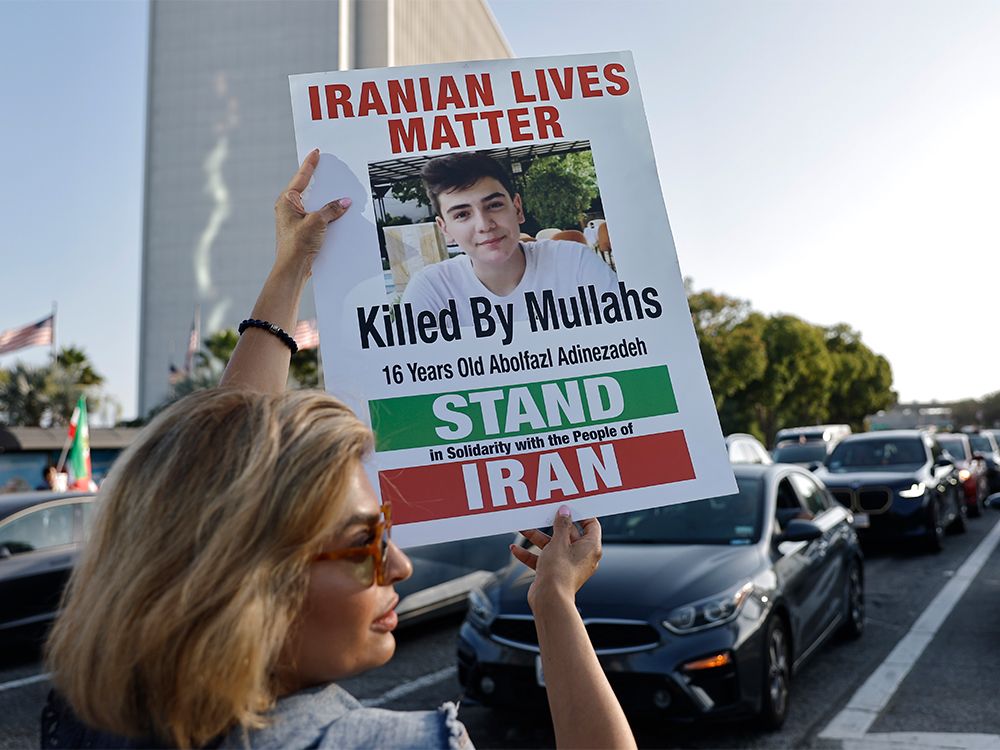
Under the cover of conflict, Iran has begun a new war against its own people. As the ceasefire is now taking hold, this mass repression will rapidly worsen if there is no accountability.
Already, the
internet has been completely shut down
, arbitrary arrests and enforced disappearances are
, and
are the
.
The leaders of the human rights movement in Iran are
in the notorious Evin prison. In a country that enforces
and has the highest rates of
in the world, their campaigns for just causes like
equality for women and against the death penalty
have garnered them praise and respect from the Iranian public, and punitive reprisals from the regime.
As the leaders of Iranian civil society and the country’s greatest proponents of democracy and human rights, these political prisoners are the strongest hope for Iran’s future. Amidst the dangers of war, they have been
for
, pointing out the violations of both international and Iranian law in their abuse by the regime. Their pleas are being met with further repression from the regime in Tehran, and deafening silence from the international community.
So long as this crackdown goes unchallenged, the regime in Iran will continue its assault against the Iranian people and their most prominent voices for change. This intensifying attack on dissidents also undermines any hope for the reforms these heroes could lead to advance human rights, peace and stability in the region.
This renewed repression was no mere byproduct of wartime governance. It is now worsening as a calculated and ambitious strategy of the Ayatollah to enforce ideological and religious conformity, extinguish the flame of dissent ignited by the death of
Mahsa Amini and the “Woman, Life, Freedom” movement
, and consolidate authoritarian control. The regime’s agenda is made all the more urgent following the ceasefire.
The Supreme Leader’s Islamic Revolutionary Guards Corps (IRGC), a
designated terrorist organization in Canada
, is at the centre of this campaign. The IRGC not only directs missile programs, but also oversees prisons,
, and suppresses civil society. To treat the IRGC merely as a regional security threat is to misunderstand its full function as the regime’s primary mechanism for maintaining power at the expense of the Iranian people’s freedom and dignity.
Canada commendably
the annual UN General Assembly statement on human rights in Iran, but has been notably absent in supporting the Iranian people now in their greatest time of need. Instead, Canada has become a
safe haven for their oppressors
. Only 20 senior regime officials have been
caught on Canadian soil and encouraged to depart or be deported
, despite
of
over 700 IRGC members operating in Canada
.
It would send a powerful message to the Iranian people if their abusers were prosecuted rather than protected in Canada. This should be pursued even if only as a matter of Canadian public safety, given their efforts to
carry out assassinations in Canada
and
harass the grieving Canadian families of Flight PS752 victims
. IRGC members can be prosecuted under the Criminal Code for being members of a listed terrorist entity, and regime officials for their involvement in abuses under the War Crimes and Crimes Against Humanity Act.
Their presence in Canada is a unique opportunity to do so, and their many victims in Canada should be interviewed for evidence by the RCMP as part of a
, as was done with Ukrainians and victims of ISIS.
Canada should also consider expanding targeted sanctions against the architects of repression in Iran, starting with Supreme Leader Ayatollah Khamenei.
At the very least, Prime Minister Mark Carney and the Canadian government can speak out for the people of Iran, and continue our traditional diplomatic role of convening our allies to do the same.
The regional war may have filled the headlines, but it is the regime’s new war against the Iranian people that will define its legacy — and our own. Our shared democratic values, and the vision of a brighter future for Iran and the region, are represented by the civil society leaders languishing in the dungeons of Tehran. And their tormentors represent grave threats to the human rights and security of both Iranians and Canadians.
As the Islamic Republic continues its crackdown, platforming the plight of the Iranian people and political prisoners — and holding their persecutors accountable — can be Canada’s greatest contribution to protecting our sovereignty from transnational repression and helping to build a more stable and peaceful Middle East.
Special to National Post
Irwin Cotler is a former Minister of Justice and Attorney General of Canada and longtime Parliamentarian. Brandon Silver is an international human rights lawyer and Director of Policy at the Raoul Wallenberg Centre for Human Rights, and has served as counsel to Iranian political prisoners. Maryam Shafipour is an Iranian human rights defender, and a former prisoner of conscience held in Evin prison.