



First Reading is a Canadian politics newsletter curated by the National Post’s own Tristin Hopper. To get an early version sent directly to your inbox, sign up here.
MAIN STORY
Canada is not doing particularly well at the moment — on everything from per-capita GDP to crime rates to basic affordability we’re in a bit of a decline. In fact, the author of this piece wrote a whole book about it: Don’t Be Canada.
But that isn’t to say there isn’t still much to be proud of with Canada. While invocations of Canadian greatness usually stick to a few clichéd tropes about snowmobiles, the Canadarm and medicare, Canada’s contribution to human progress goes far beyond that.
Below, a not-at-all comprehensive summary of what Canada has done right, and is doing right as we speak.
We feed the world
There isn’t a lot of glamour in Canadian food production. Prestige produce like avocados or exotic fruits generally come from other places. But it’s a different story when it comes to churning out gargantuan quantities of cheap calories. Millions of people around the world will have their stomachs filled today thanks to Canada, and that’s been the case for more than a century.
Canada
is the primary supplier to India
of peas of lentils; two of the country’s most critical food staples. Canola, one of the
world’s most ubiquitous cooking oils
, has Canada right in the name (it stands for “Canadian oil low acid”).
Canada is now the world’s third largest exporter of wheat (behind only Russia and the European Union), and it got that way thanks in part to a Canadian-invented strain of wheat, Marquis, that’s
“one of the greatest triumphs in Canadian agriculture.”
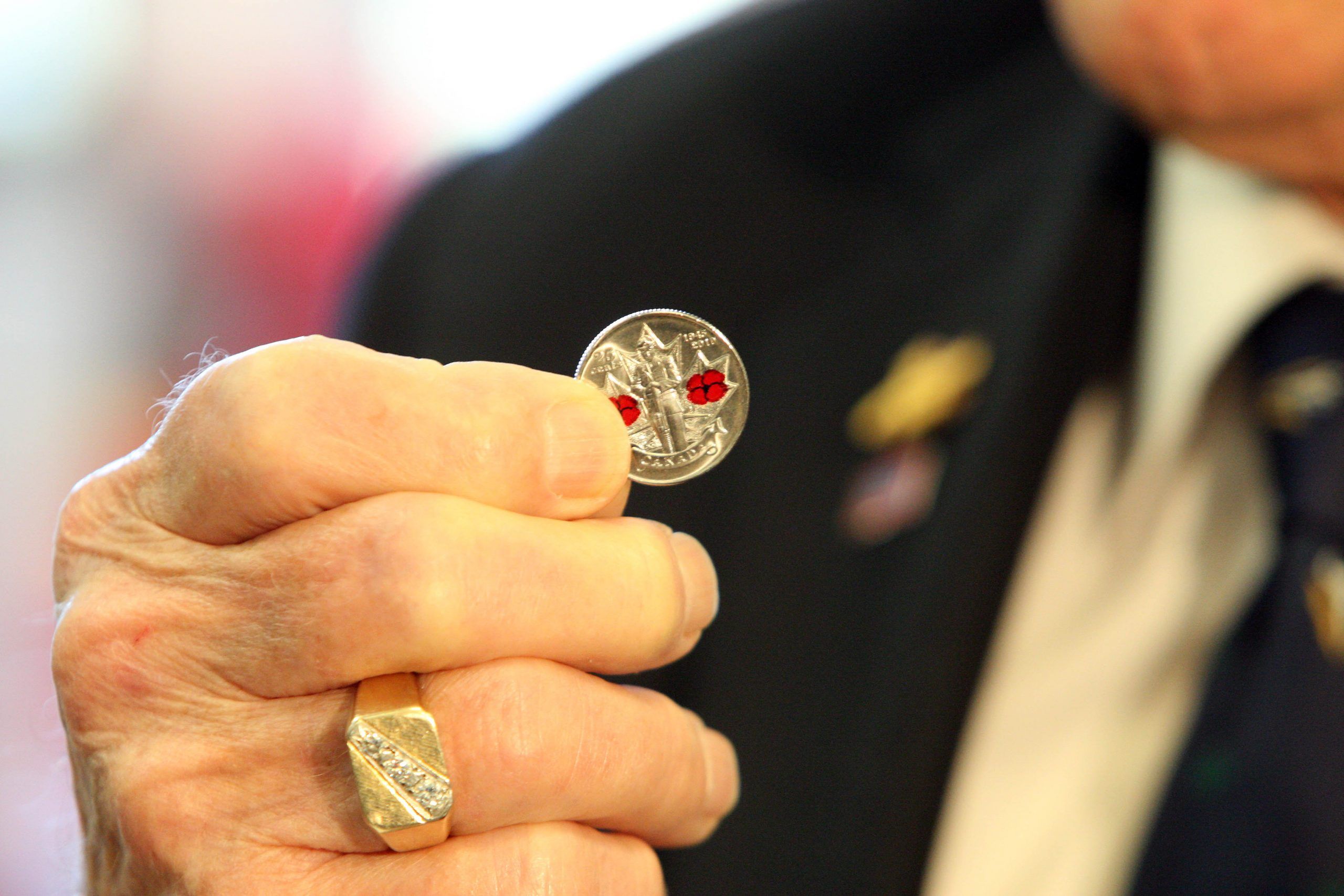
We’re really quite good at minting coins
The Royal Canadian Mint will routinely churn out special-edition coins that are unlike anything else on earth. There was that black toonie issued to mourn the death of Queen Elizabeth II. Canada was the first country in the world
in general circulation, and
also the first glow-in-the-dark coins
.
Canada has such a good coin-making reputation, in fact, that the Mint has coin contracts
. If you’re travelling in Australia, Argentina or the Philippines, among others, you’re likely handling currency that originated in Winnipeg.
Canada invented the global oil industry
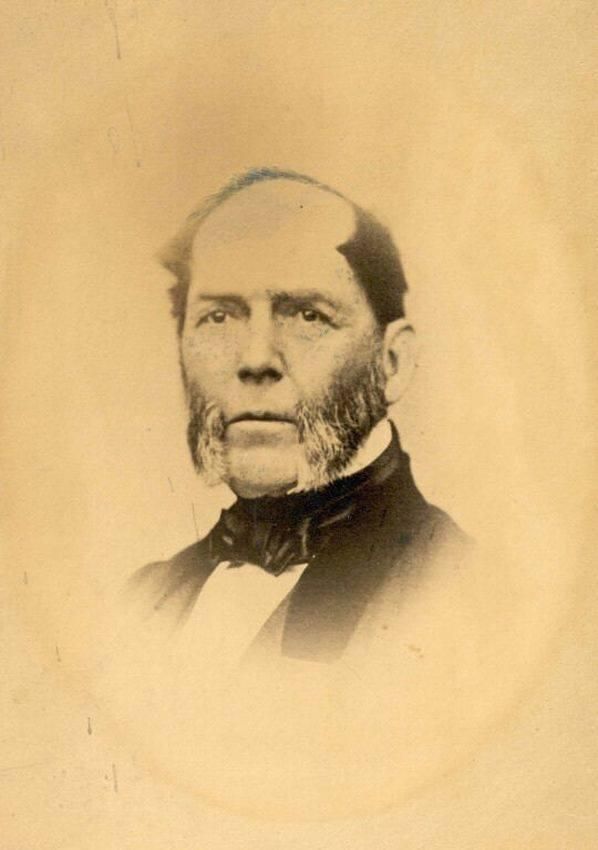
While the global oil market exists today largely to provide gasoline and diesel, it was established as a means to distribute kerosene as a lamp fuel. The fortunes of early oil barons such as John D. Rockefeller were secured not because of automobile fuel, but because of cans of kerosene used for lighting.
And kerosene was invented by Nova Scotia’s Abraham Gesner. What Gesner did was to take a substance of limited value known at the time as “rock oil,” and distill it into a liquid that would prove to be one of the most revolutionary substances of the 19th century.
Since we’re on the subject, Canada also invented the process by which bitumen could be extracted from sand, thus laying the groundwork for much of the Alberta oil sector.
The innovation in both cases was pretty similar: A Canadian looked at an abundant natural resource that seemed worthless, and figured out a way to transform it into billions upon billions of dollars.
We produced one of history’s only charismatic astronauts
Only about 600 people
have ever held the title of astronaut
, and they’re generally not known for their charisma. Astronauts are meticulously screened for everything from mental stability to physical fitness, and the process typically weeds out anybody who’s good at telling jokes or appearing on TV. Neil Armstrong, the first man on the moon, was famously reclusive and unquotable.
It’s a Canadian, Chris Hadfield, who became one of the very few examples of an astronaut who was not only adept at getting public attention while in space (his social media presence while on the International Space Station was larger than that of NASA itself), but who transitioned pretty seamlessly into a celebrity explorer. You can currently see him in ads for Specsavers, he’s written three space-themed thriller novels and he’s currently selling out theatres in Australia.
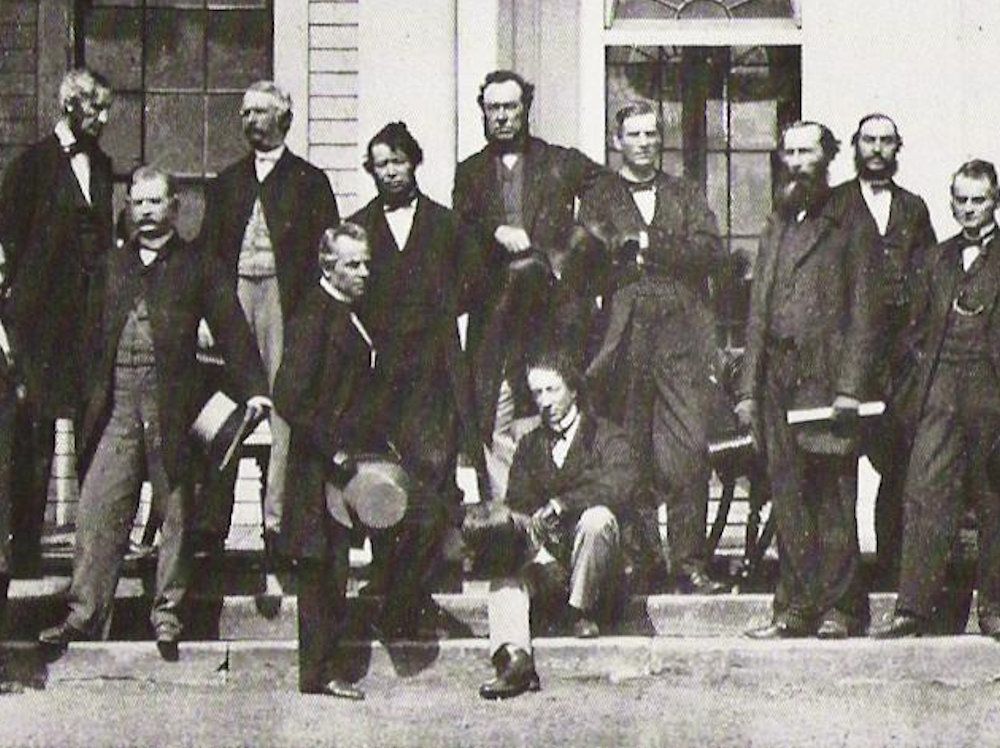
We pioneered a form of independence where nobody gets killed
Just before Ralph Nader embarked on a string of unsuccessful runs for the U.S. presidency in the 1990s, he wrote an entire book, Canada Firsts, about how great Canada is.
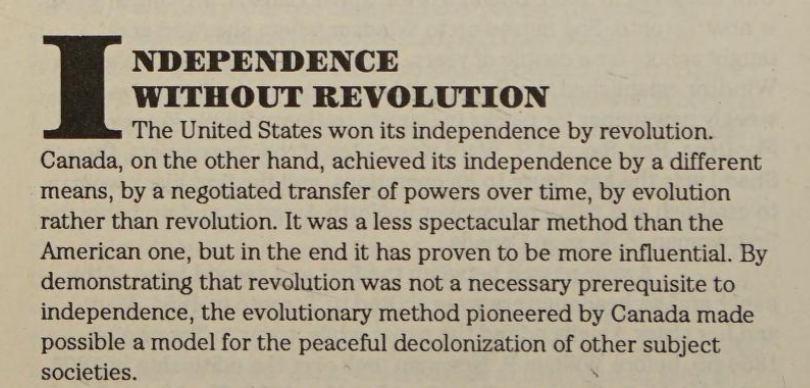
Right in the opening chapter, Nader credits Canada for inventing “independence without revolution.” The obvious contrast is with the United States, whose own independence from the U.K. was obtained via years of
. Canada, however, achieved basically the same result 90 years later with some paperwork.
“It was a less spectacular method than the American one, but in the end it has proven to be more influential,” wrote Nader.
The world has gained dozens of other independent countries since Canadian confederation began in 1867, and most of them have followed the Canadian route rather than the U.S. route – particularly among former British colonies. As Nader put it, Canada gave the world a model of how “peaceful decolonization” could proceed.
We’re still supplying most of the world’s elite hockey players
When a country invents a sport that becomes globally popular, it often doesn’t take long until they lose dominance of the game to someone else. The classic example is soccer. Although invented by England, a list of the sport’s top-10 goal scorers doesn’t contain a single Englishman.
But even in a world where professional hockey leagues exist on nearly every continent, Canada has continued to produce more hockey players than anyone else, including most of the sport’s top stars.
Although it’s been since 1993 that a Canadian team has won the Stanley Cup, none of the other winners have managed it without a substantial number of Canadians on the roster. This includes the nine Canadians who just won the cup with the Florida Panthers.
We’ve been quite good at producing electricity without burning anything
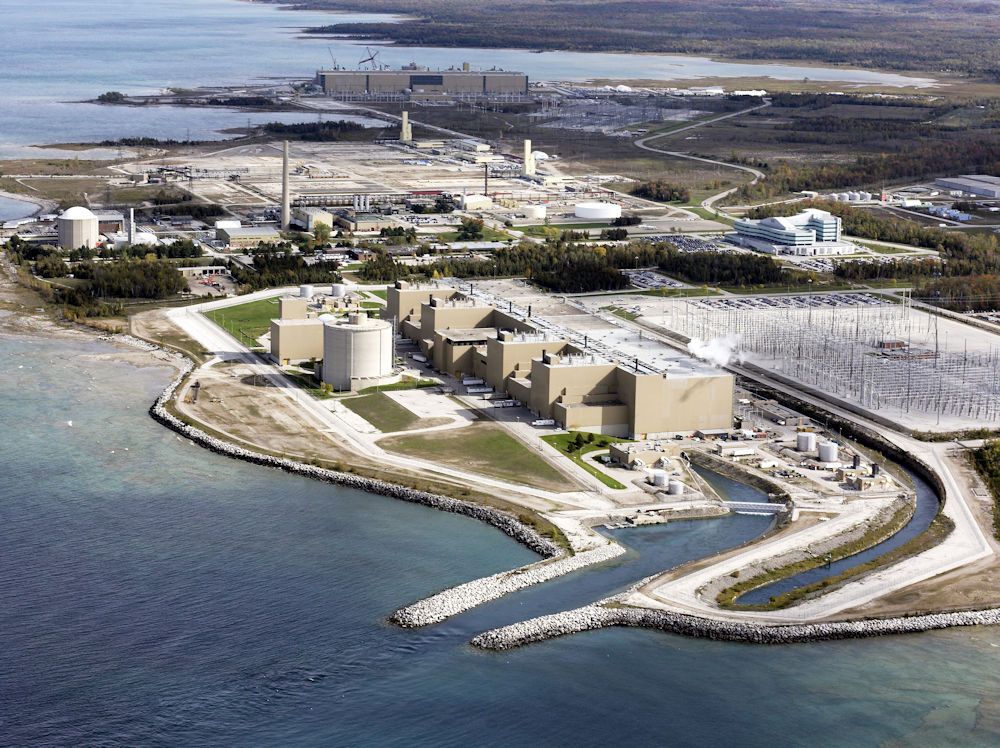
Even after decades of development in solar and wind power, there’s still only just two ways to produce reliable, base-load electrical generation without using fossil fuels: Nuclear reactors and hydroelectric dams. And Canada has led the world in both technologies.
Until China embarked on a massive dam-building spree in the 1990s, Canada produced
than anyone else. Canada also created the CANDU (CANada Deuterium Uranium) nuclear reactor, versions of which are generating electricity in seven countries around the world.
We were very, very good at fighting world wars
Nobody would
for a fearsome military power. But after fighting in two world wars in the 20th century, Canadians quickly emerged as being more capable of capturing territory and killing enemy soldiers than almost anyone else.
The signature example is a campaign that most Canadians haven’t even heard of: The Hundred Days Offensive. In the final weeks of the First World War,
Canadian armies were instrumental
in pushing the German army out of occupied France and ultimately triggering the war’s end.
As to why Canada did so well at world wars, the usual explanation is that the average Canadian citizen spent more time shooting guns, fixing engines and sleeping outside than the average citizen of any other combatant nation. Canada also fought both wars almost exclusively with volunteers.
Canada was anti-slavery before it was mainstream
Slavery was never a massive deal in Canada. While the early colonial era featured African slaves in domestic service, Canada’s cold climate meant that it never developed the industrialized chattel slavery that would become a fixture of so many other areas of the Western Hemisphere.
This put Canada in a unique position to denounce slavery when that was still a fringe position. In 1793, the colony of Upper Canada passed the Act to Limit Slavery in Upper Canada, becoming the first British territory to enact anti-slavery legislation. It the first legislative victory of a movement that would eventually yield the 1833 Slavery Abolition Act prohibiting slavery throughout the British Empire.
We’re renowned for building a very specific kind of airplane
When it comes to discussions of Canada and aviation, the focus is usually Bombardier or some
cancelled interceptor projector from the 1950s
. But Canadian companies have been uniquely good at designing and building a very particular kind of aircraft: The STOL (short takeoff and landing) plane.
Anywhere bush flying is common, you’re likely to find at least one of these Canadian-made STOLs; the Noorduyn Norseman, the de Havilland Beaver or the de Havilland Otter. Notably, a Canadian-made STOL is one of the only foreign-made aircraft in service with the U.S. military: The U.S. Army’s parachute demonstration team do their jumps from
one of several Canadian-made Twin Otters
.

Canada produced one of the most miraculous medical discoveries in history
Of late, some of Canada’s leading contributions to medical science have been somewhat esoteric discoveries that ended up having earth-shattering impacts in the hands of other scientists. Canadian research into
, for instance, paved the way for the development of the weight loss drug Ozempic. Canadians also
that would eventually lay the groundwork for the COVID vaccine.
But Canada’s most cinematic contribution to world health was when a Canadian doctor caused thousands of people around the world to rise from their death beds. That would be Sir Frederick Banting’s
.
Prior to Banting, type one diabetes was effectively a death sentence. But in the early 1920s, news reports began to circulate of miracle “resurrections”: Thousands of emaciated invalids suddenly restored to full health after one injection of the Canadian cure.
We remain the gold standard in fixing a sovereign debt crisis
The Canadian government mostly excels at stacking up debt these days, so it can be easy to forget just how effective it once was at pulling the country back from the edge of the fiscal abyss.
Starting in 1994, the government of prime minister Jean Chrétien pulled off what remains
one of the best-managed fiscal turnarounds in modern history
. In just six years, Canada went from being on the edge of default to running a budget surplus — and riding that surplus to outperform the G7 on everything from employment to GDP growth.
And it’s notably something that peer countries haven’t really been able to replicate. The usual route is to go the way of Greece, and deal with debt problems through a nightmare odyssey of bailouts, harsh austerity and riots.
Get all of these insights and more into your inbox by signing up for the First Reading newsletter.

