


By Ujjal Dosanjh and Joe Adam George
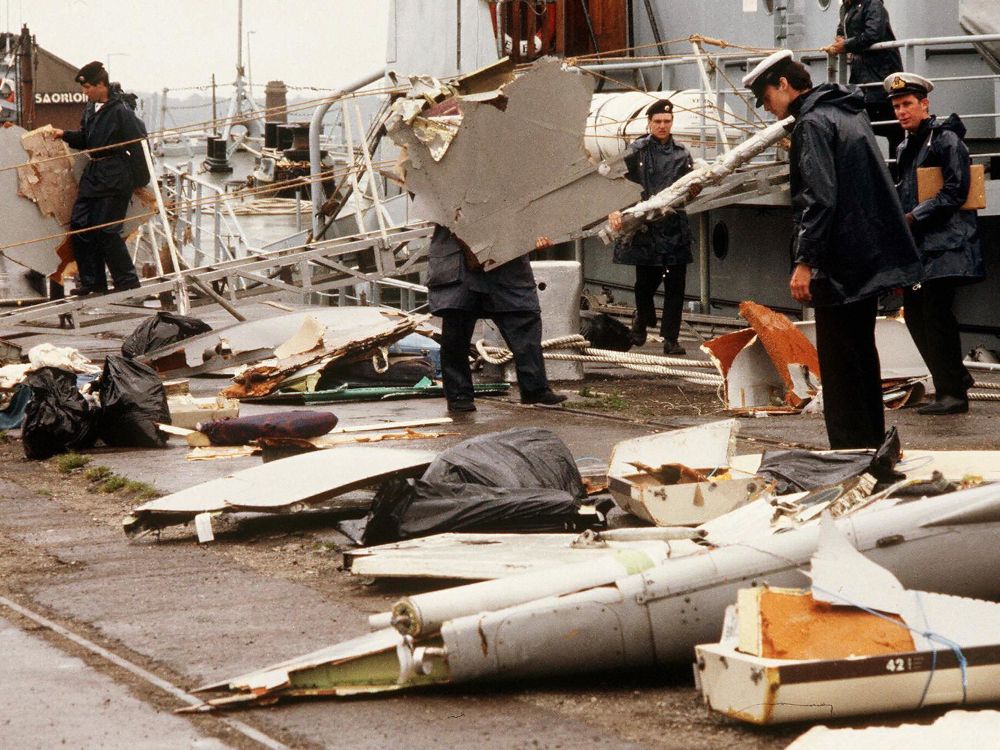
Monday, June 23, marks the 40th anniversary of the bombing of Air India Flight 182 — the
in Canadian history, and the most lethal act of aviation terrorism in the world prior to 9/11. The bombing left 329 people dead, including 268 Canadians. The investigation into the attack is still “
,” and is considered “one of the most complex domestic terrorism investigations” undertaken by the RCMP.
Despite
finding that Khalistani terrorists in Canada had masterminded the attack, the perpetrators managed to walk away
, much to the despair of the victims’ families and the frustration of India. To this day, they are
by their fellow extremist ideologues.
The Khalistanis form part of a Sikh extremist separatist movement that aims to establish an independent state of Khalistan carved out of India. Although it continues to rally a small but
of Sikhs, the movement holds virtually
among Sikhs in India or the majority of Canada’s Sikh community.
The U.K. government-commissioned
, which was released in 2023, revealed that Khalistani activists had exploited government ignorance, threatened and intimidated Sikhs, indoctrinated and recruited young people and solicited funds from Sikh temples to advance their agenda.
The review warned the British government that, “The subversive, aggressive and sectarian actions of some pro-Khalistan activists and the subsequent negative effect on wider Sikh communities should not be tolerated.”
Yet Canada’s political class
those warnings. Politicians of all stripes continue to commit the cardinal sin of
and legitimizing Khalistanis by conflating them with the broader Sikh community. They repeatedly
, hoping to boost their electoral fortunes, given the
the Sikh vote holds in many ridings throughout the country.
For decades, Canadian Khalistanis have been an enduring national security and diplomatic liability to New Delhi, which
of engaging in organized crime and acts of terrorism, both in India and abroad, under the guise of a religious political movement.
During a public hearing of the foreign interference inquiry last year, CSIS members
that Khalistani elements in Canada — with covert backing from Pakistan’s spy agency, Inter-Services Intelligence (ISI) — were attempting to undermine Indian interests in the country, confirming
by New Delhi.
In its newly released
, CSIS noted that a small number of Khalistani extremists “continue to use Canada as a base for the promotion, fundraising or planning of violence primarily in India,” which is, in turn, fuelling Indian foreign interference activities in Canada.
Bitter about losing the 1971 war to India that led to
of Bangladesh, Pakistan took to
the Khalistan movement in an attempt to destabilize its arch-nemesis and counter its regional dominance.
Following years of protection, funding and
from its ISI handlers in Pakistan, the Indian government alleges that the movement morphed into a transnational criminal enterprise. Khalistani gangs started
in Canada in the 1990s, after a series of
in B.C., including that of
— the only journalist ever assassinated on Canadian soil.
Earlier this month, under an operation called “
,” Peel Regional Police dismantled a major narco-terrorism network in the Greater Toronto Area that’s linked to suspected Khalistan sympathizers, seizing close to $50 million in cocaine. Proceeds from the drug trade were reportedly used to finance anti-India activities in Canada, including
, referendums and the acquisition of weapons.
Khalistan sympathizers are also believed to have links to Islamist terror groups in the Middle East and South Asia. In Canada, their illicit interests largely converge on narco-terrorism and transnational crime, with the profits used to support anti-Israel and anti-India activities.
During the trial of disgraced former RCMP intelligence official Cameron Ortis,
an associate of Altaf Khanani — a central figure in Hezbollah’s global money laundering and terror financing network — was Harmohan Singh Hakimzada, a powerful Dubai-based heroin trafficker and money launderer whose family is accused of financing Khalistani terror groups.
Last year, the sole individual arrested in the
$485-million drug bust in B.C. had
to the Khalistan movement.
According to Delhi Police, Khalistani terrorist Arshdeep Singh Gill — who was
last year following a gunfight —
Pakistan-backed Lashkar-e-Taiba, a
in Canada. Lashkar-e-Taiba masterminded the deadly 2008 Mumbai terror attack and reportedly
in Pakistan-administered Kashmir earlier this year.
After decades of frustration over the West’s indifference to the Khalistani menace, India finally sees signs of progress, as the Trump administration appears to be acting on the threat in the United States. Following U.S. National Intelligence Director
with Indian officials in New Delhi in March, the F
a Khalistani terrorist with suspected links to the ISI.
While inviting Indian Prime Minister Narendra Modi to the G7 Summit in Alberta was a welcome move to mend Canada-India relations, the Carney government can ill-afford to continue ignoring the Khalistani threat.
As the past four decades have shown, permitting extremist groups with criminal tendencies to operate unbridled in Canada has severely undermined the country’s national security and public safety interests.
The Khalistan movement is not a legitimate political cause. It is an extremist, hate-fest-cum-transnational-criminal-entity that was responsible for Canada’s deadliest terror attack and has made our streets less safe. There is nothing Canadian about a movement that
to hate, and threatens and
of foreign leaders.
As former prime minister Stephen Harper
, it’s time for Canada’s political class to “sever” ties with Khalistani separatists and treat them with the contempt that murderous terrorists and criminals deserve.
National Post
Ujjal Dosanjh is a former B.C. premier and federal cabinet minister in the government of Prime Minister Paul Martin. Joe Adam George is a national security analyst and research lead on Islamist threats at the Middle East Forum.