



Last week, British Columbia’s NDP government announced that its signature CleanBC program, intended to reduce carbon emissions 40 per cent below 2007 levels by the end of the decade, is going to miss its 2030 emissions-reduction target by a wide margin. In fact,
of the intended reduction is expected to be met.
Coincidentally, at the same time, the provincial government announced it was
its electric vehicle (EV) rebate program. It was just the first domino to fall in the NDP’s CleanBC program, which, unless overhauled, will end in failure, with consumers taking the hardest hit.
Even if B.C. does do away with its EV program completely, it will not alter the fact that the province is no longer self-sufficient when it comes to producing electricity. A lack of energy diversification caused by hard-headed green initiatives is to blame.
For
, B.C.’s hydroelectric power was abundant, reliable and cheap. It helped power
from a rural, resource-oriented economy into the home of Canada’s third-largest city and gateway to the Pacific.
Today, B.C. has everything. It has lots of natural resources, a growing population and a vibrant commercial capital in Metro Vancouver. This growth, however, has strained the province’s energy supply.
Without the ability to meet its own electricity needs, British Columbians will go into the future with higher energy bills, and industry will think twice about investing in a province in which electricity is no longer cheap.
Drought and a persistently low annual snow-pack
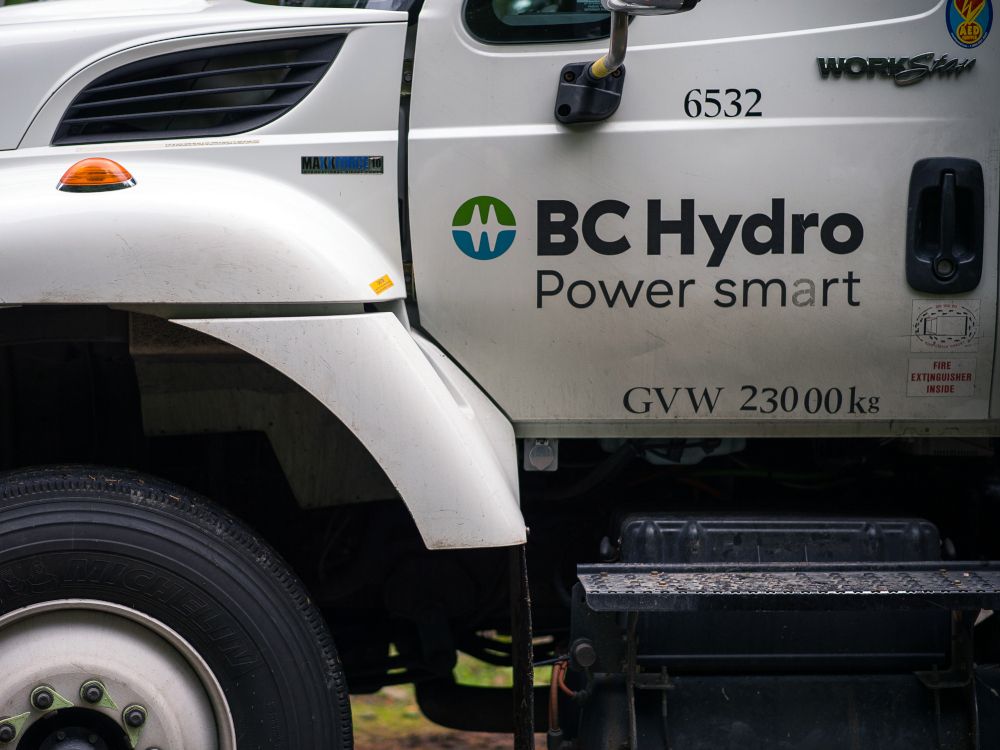
BC Hydro, the Crown corporation responsible for producing the hydroelectricity that powers most of the province. Last year, a staggering
of all the electricity used in B.C. was imported from outside the province, at a cost of nearly $1.4 billion.
The great irony of this is how it undercuts the CleanBC plan. The imported electricity comes from the United States and Alberta, and is largely generated from fossil fuels. Turning on the lights in supposedly green B.C. still contributes to emissions if that power comes from higher-emitting sources.
Proponents of the hydroelectric regime point to the upcoming opening of the Site C dam, which will add
to the electricity grid, representing about eight per cent of the total electricity supply. Yet demand for power is projected to climb at least 15 per cent by 2030.
In 2023, the North American Electric Reliability Corporation
that B.C. will be facing a severe electricity shortage as early as next year if drought conditions and warmer winters continue to slash the ability of BC Hydro to produce power.
Adding to this is the electricity demand of TransLink, which oversees public transit in Metro Vancouver. TransLink aims to fully electrify its operations by 2050, but is slated to suffer a
of $600 million in 2026, and has proposed raising its fares to make up the difference.
Currently, TransLink is expanding the SkyTrain network out to the University of British Columbia and
its remaining diesel-powered buses in favour of electric ones. All of this will further stretch the province’s dwindling power supply.
It has not helped that Vancouver city council voted late last year to keep its ban on natural gas heating in new homes.
By 2046, B.C.’s population is expected to grow by
, to nearly eight-million people from the current 5.5 million. There is no question that new houses and infrastructure are required to sustain this growth, but the electricity to power it will not appear out of thin air. Alternate energy sources are disappearing as the B.C. government
natural gas-powered generators, all while hydropower is naturally declining.
Under initiatives like CleanBC and other bullheaded drives for electrification, B.C. consumers are barrelling towards a cost trap. Either through government debt charges or monthly electricity bills, B.C. consumers are going to bear the brunt of this arbitrary misalignment of supply and demand.
Nothing will delegitimize electrification and green initiatives in the public eye more effectively than worsening the cost of living crisis. Recalibration is in the best interest of British Columbians and the provincial government.
B.C. has an abundance of natural gas, with over
under the ground, and it can be an effective and readily available source of energy to fill the gaps left by BC Hydro. Given that developing nuclear power is
in B.C., there are few alternatives beyond continuing to import more and more electricity.
Everyday people and families bearing the cost of bad government policy is nothing new, but in B.C., it can be avoided with flexibility, humility and prioritizing the common good over ideology.
National Post

