



Former prime minister Jean Chrétien once said, “Without compromise, there is no Canada. Without compromise, there is no progress.”
It wasn’t a line meant to inspire applause. It was a warning and a lesson learned in the long, imperfect work of holding this country together. It echoed something many of us feel in our bones but don’t often say aloud: that Canada is not the product of uniformity or force, but of deliberate choices to meet in the middle, again and again, when it would have been easier to walk away.
We often forget this at our peril.
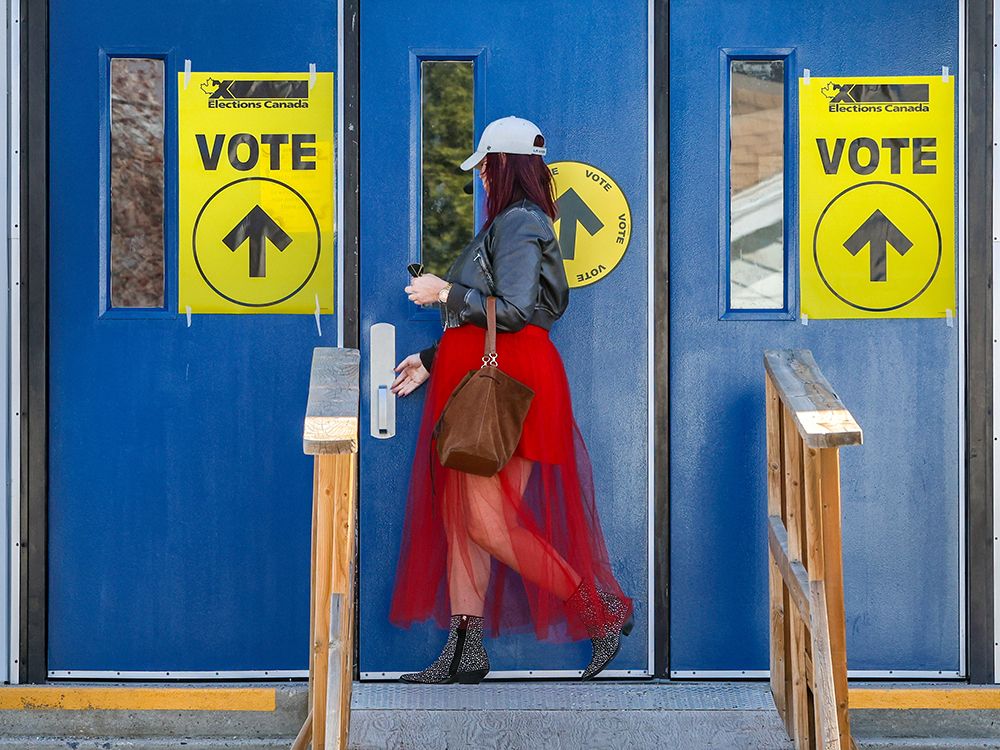
We’ve just been through an election. The campaigns are over. The winners have been declared. And now harder work begins — not of fighting, but of building.
That word — build — is everywhere lately. But building means more than capital plans or press conferences. It means articulating a vision big enough for a country as diverse, as demanding, and as fragile as ours. It means doing what Chrétien did — what every serious leader has done — and choosing pragmatism over purity, compromise over combat, planning over posturing.
Because the truth is this: Canada is at risk of falling further behind.
Our ports are ranked among the least efficient in the developed world. Our electricity grid is fragmented and strained. Our Arctic is unguarded while others threaten our sovereignty. And our productivity — the foundation of our standard of living — is declining.
Cynicism, sloganeering and grievance-mongering, however earnest or keenly felt, cannot solve those problems.
Unfortunately, we’ve seen where those things lead. South of the border, Donald Trump built an entire political movement out of resentment — one that turned institutions into enemies and disagreement into betrayal. It can be more tempting to tear things down than to do the harder, less glamorous work of building something better.
Canada is not immune to this temptation.
Pierre Poilievre gave voice to a country that feels stuck. His words — “everything feels broken” — resonated because, in many ways, they’re not wrong. But diagnosis is not direction. It’s one thing to name the problem. It’s another thing to fix it.
Mark Carney offers something that feels increasingly rare in our politics: seriousness. Not sanctimony. Not saviourism. Not a famous name. But seriousness. It’s a seriousness of the kind that recognizes borrowing to invest in productive infrastructure is not reckless — it’s required. Our present troubles demand energy corridors, national grids, modern ports and a real Arctic presence. These aren’t vanity projects. They’re sovereignty itself. Such projects are the only way to elevate productivity beyond a mere slogan or buzzword, and ensure that our children inherit something better, not worse.
I’ve seen what real building takes. In Premier Doug Ford’s office, I watched as we approved the largest capital investment in Ontario’s history — $159 billion. Not because it was safe. Not because it was easy. But because our hospitals were at capacity, our roads were clogged, and our energy systems were no longer fit for the future.
Now, Canada’s federal government needs that same courage and resolve to build again — before it’s too late.
And we must be honest with ourselves: vision is not a threat to fiscal responsibility. It is its partner. Every modern country we admire — Germany, South Korea, the United States — understood this. They didn’t shrink from investment. They structured it, deployed it, and built the systems that now power their prosperity.
The stakes for us are no smaller.
For the first time in our history, young Canadians are facing the prospect of being poorer than their parents. Not just in income — but in opportunity, mobility, and trust in their institutions. If we fail to build now, we will not simply disappoint them. We will lose them.
There will be those who say now is not the time. That the moment is too fractured, the country too divided.
But Canada has always been divided. That’s the point. The miracle is not that we’re different — it’s that we continue to find common cause despite it.
Chrétien knew that. So did Diefenbaker. So does every leader who’s ever walked the knife-edge between ambition and belonging in this country.
In a world drawn to extremes, it is easy to mistake anger for strength, or simplicity for truth. But Canada was never built on easy answers. It was built on the hard, deliberate work of compromise — the kind that holds nations together when slogans fall away.
The future will not be built by those who shout the loudest. It will be built by those who show up, roll up their sleeves, and choose the harder thing: to compromise, to plan, and to build anyway.
The election is over. The work begins again.
Let’s make it worthy of the country we still have time to become.
Special to National Post
Cody Mallette is Managing Director of Atlas Strategic Advisors and a former Senior Policy Advisor to the Premier of Ontario. He writes on public leadership, infrastructure, and the future of Canada’s economy.

